DIYbrico | Discover, Create, Inspire

Mastering the Half Double Crochet Stitch: Tips and Techniques for Perfecting Your Crochet Skills
Master the half double crochet stitch with tips, tools, and techniques for creative crochet projects.
Table of Contents
Have you ever tried the half-double crochet stitch? It’s one of those things that seems tricky at first, but once you get the hang of it, it’s a game-changer. This stitch is super handy for all sorts of projects, whether you’re making a cozy blanket or a stylish scarf. It’s a bit taller than a single crochet and shorter than a double crochet, making it just right for many designs. Let’s dive into some key takeaways that’ll help you master this essential stitch.
Key Takeaways
- The half-double crochet stitch is a versatile stitch, perfect for various projects from blankets to garments.
- It’s taller than a single crochet but shorter than a double crochet, giving it a unique texture.
- Maintaining consistent tension is crucial for even stitches and a polished look.
- Using the right hook and yarn can make a big difference in your final product.
- Practicing regularly is key to mastering the half double crochet stitch.
Understanding the Half Double Crochet Stitch
Definition and Characteristics
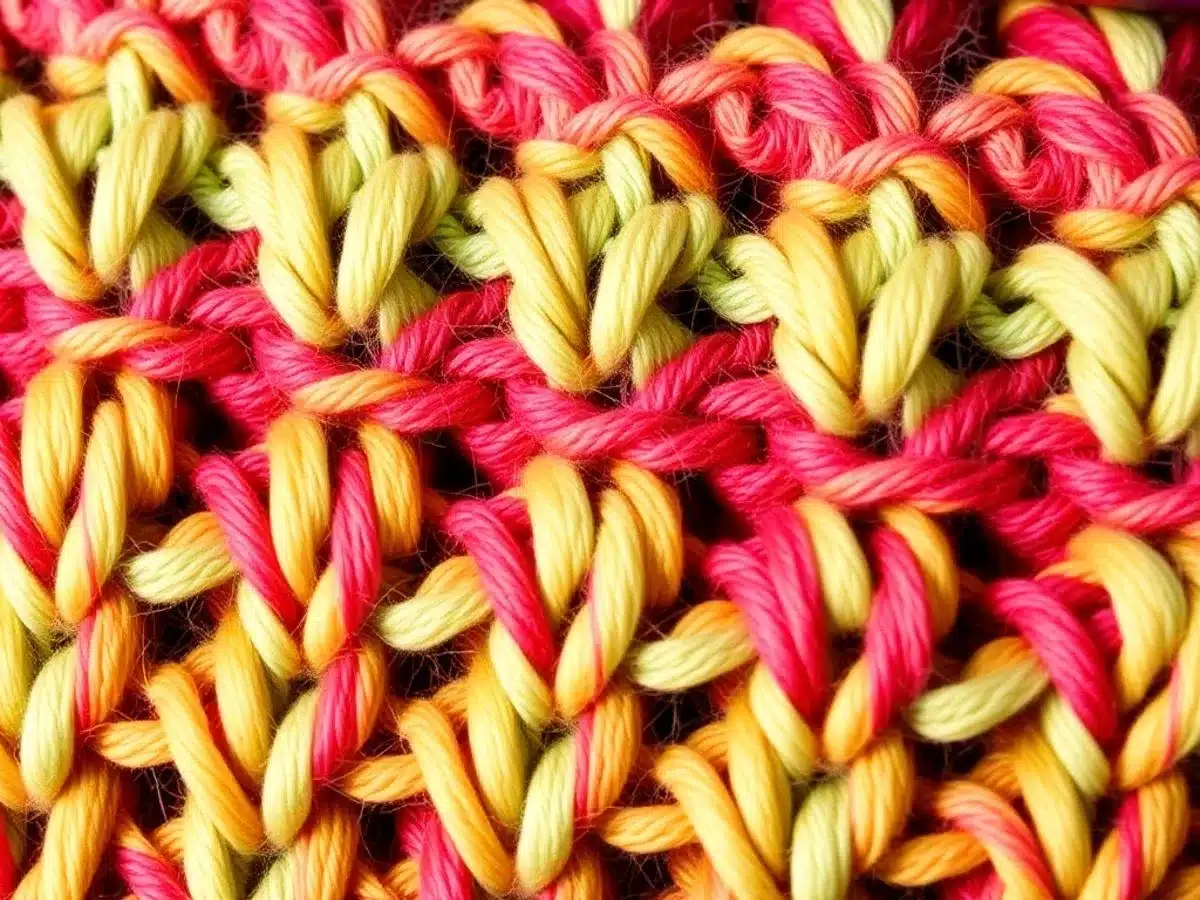
The half double crochet stitch, or hdc, is a staple in the crochet world. It’s a bit of a middle child, sitting comfortably between the single crochet and double crochet stitches in terms of height. When you work a half double crochet, you start by yarning over, inserting your hook into the stitch, yarning over again, and then pulling through all three loops on the hook. This technique creates a fabric that isn’t too tight like a single crochet, nor too loose like a double crochet. It’s a great stitch for projects where you want a bit of texture without too much bulk.
Comparison with Other Stitches
Understanding how the half double crochet compares to other stitches can help you decide when to use it. Here’s a quick breakdown:
- Single Crochet (sc): Short and dense, perfect for sturdy fabrics.
- Half Double Crochet (hdc): Medium height, providing a good balance of density and flexibility.
- Double Crochet (dc): Taller and looser, ideal for airy, lightweight projects.
Here’s a simple table to illustrate:
| Stitch Type | Height | Tightness |
|---|---|---|
| Single Crochet | Short | Tight |
| Half Double Crochet | Medium | Medium |
| Double Crochet | Tall | Loose |
Common Uses in Projects
The half double crochet is incredibly versatile, making it a favorite among crocheters. Here are some popular uses:
- Blankets and Afghans: The hdc stitch adds just the right amount of texture and warmth.
- Garments: Sweaters and hats benefit from its comfortable fit and stylish appearance.
- Accessories: Scarves and cowls gain elegance and warmth from the half double crochet.
The half double crochet stitch is a go-to for many projects because it balances ease of use with a pleasing texture. Its versatility makes it suitable for everything from clothing to home décor.
Essential Tools and Materials for Half Double Crochet
Choosing the Right Yarn and Hook
Getting the right yarn and hook is like setting the stage for a great crochet session. For starters, a 5mm crochet hook is a solid choice. It pairs nicely with worsted-weight yarn, which is easy to handle and gives a nice finish. As you get more comfortable, you can start exploring different yarns to see how they change the look and feel of your work.
Maintaining Consistent Tension
Keeping your tension steady is key to making your stitches look uniform and professional. Here are some tips to help:
- Choose the right hook size: A too small hook can tighten your stitches, while a larger one can make them too loose.
- Practice pulling yarn smoothly: This helps maintain a consistent flow and tension.
- Relax: Sometimes, just easing up on your grip can make a big difference.
Practicing Regularly
Practice really does make perfect, especially with crochet. Start with small projects like dishcloths or swatches to build your confidence. As you get more comfortable, you can tackle bigger projects. Remember, everyone makes mistakes, so don’t get discouraged. Each project is a learning opportunity.
Crocheting is as much about the journey as it is about the finished piece. Enjoy the process, and don’t rush it. With time and patience, you’ll see your skills grow and your projects improve.
For beginners, following a step-by-step guide can be incredibly helpful. It provides a clear path to follow and helps you avoid common pitfalls.
Step-by-Step Guide to Mastering the Half Double Crochet Stitch
Creating a Foundation Chain
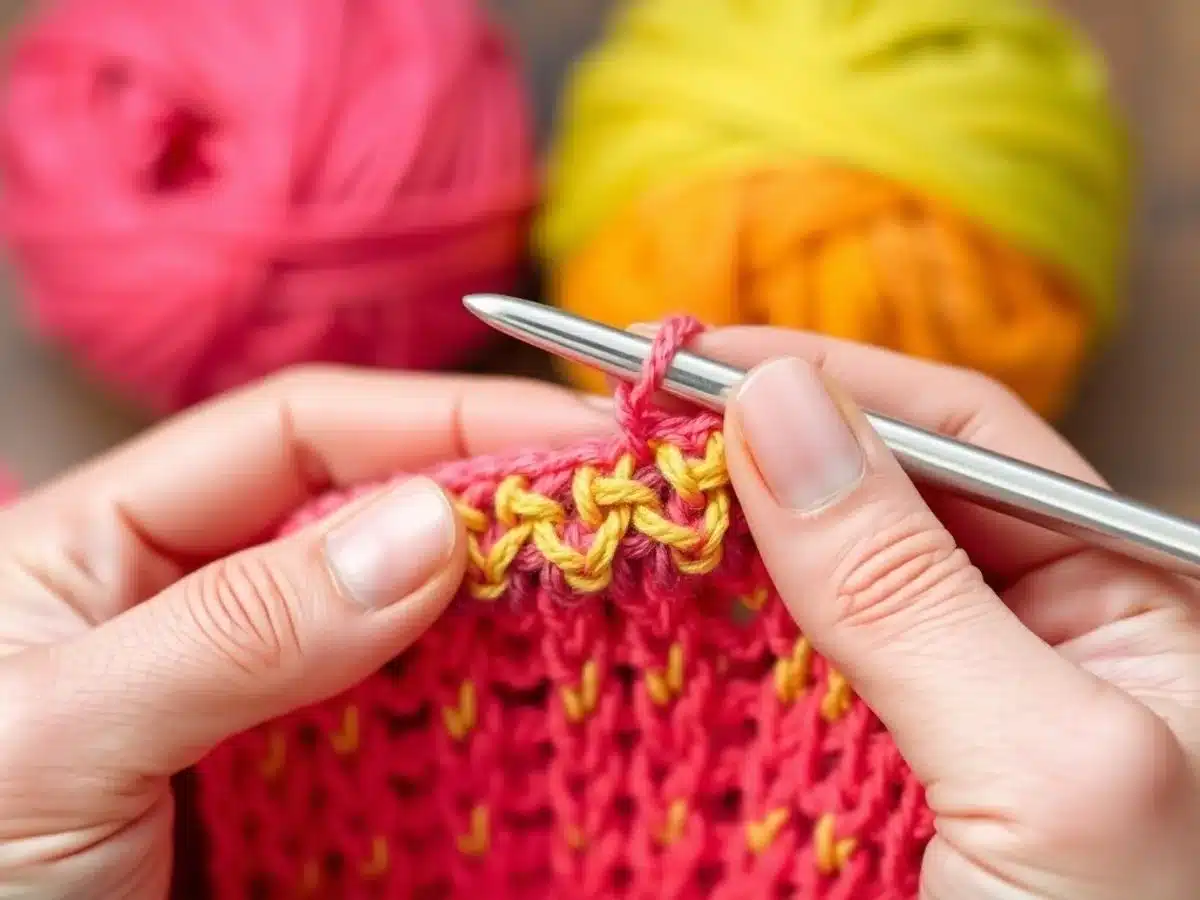
Getting started with your half double crochet (HDC) begins with a solid foundation chain. This chain acts as the base for your entire piece. To make it:
- Start with a slip knot on your hook.
- Yarn over and pull through the loop on the hook.
- Repeat the yarn over and pull through until you have the desired number of chains.
Remember, the number of chains will depend on the width of the project you’re planning. Keep your tension even to ensure a neat base.
Executing the First Half Double Crochet
Once your foundation chain is ready, it’s time to dive into the HDC stitch itself:
- Yarn over and insert your hook into the third chain from the hook.
- Yarn over again and pull up a loop, giving you three loops on the hook.
- Yarn over once more and pull through all three loops.
This completes your first HDC stitch. It’s a simple yet effective stitch that adds texture and depth to your projects.
Continuing with Subsequent Rows
With the first row complete, you’ll need to keep the momentum going by adding more rows:
- Turn your work and chain two (this acts as a turning chain).
- Yarn over and insert your hook into the first stitch of the previous row.
- Yarn over, pull up a loop (three loops on the hook), yarn over again and pull through all three loops.
Repeat this process across the row. As you become more comfortable, you’ll find your rhythm and speed increasing. For more detailed instructions and tips, check out this crochet stitch tutorial.
Practicing regularly will help you maintain even tension and improve your technique. Consistency is key in mastering the half double crochet stitch.
Advanced Techniques with the Half Double Crochet Stitch
Half Double Crochet Increase
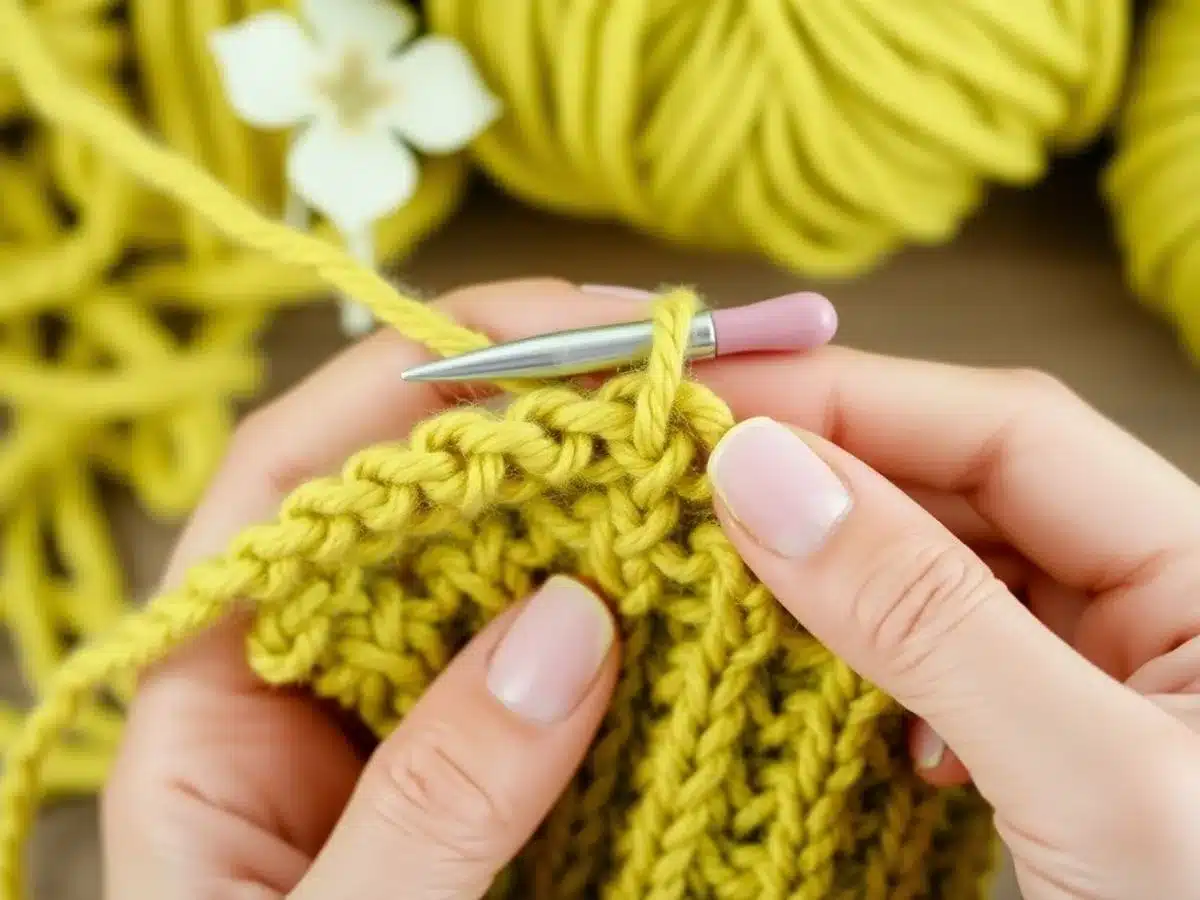
Adding stitches in your crochet work is crucial for shaping and expanding your projects. The half double crochet increase is a simple yet effective method to achieve this. To perform a half double crochet increase, you crochet two half double crochet stitches into one stitch. This technique can be expanded by adding three or even four stitches into the same stitch if you need a more significant increase.
Half Double Crochet Decrease
Decreasing stitches helps in tapering and shaping your crochet work, which is often used in garment making. The half double crochet decrease, also known as hdc2tog (half double crochet two together), combines two stitches into one. Here’s a quick rundown:
- Yarn over and insert the hook into the first stitch.
- Yarn over and pull up a loop (three loops on the hook).
- Yarn over, and insert the hook into the next stitch (four loops on the hook).
- Yarn over and pull up a loop (five loops on the hook).
- Yarn over and pull through all five loops.
For a less bulky decrease, you might skip the yarn over in the second stitch.
Extended Half Double Crochet
The extended half double crochet is a slight variation that adds a bit more height to your stitch without reaching the length of a double crochet. Here’s how you do it:
- Yarn over and insert the hook into the stitch.
- Yarn over and pull up a loop (three loops on the hook).
- Yarn over and pull through the first loop on the hook (three loops remain).
- Yarn over and pull through all three loops.
Mastering these advanced techniques not only adds variety to your projects but also enhances your skill set, allowing you to create more complex and interesting designs.
The half double crochet stitch is a versatile stitch that can be used in a wide variety of projects, from garments to home decor. By learning these advanced techniques, you can take your crochet skills to the next level and create stunning, unique pieces.
Troubleshooting Common Half Double Crochet Mistakes
Avoiding Skipped Stitches
Skipping stitches is a common hiccup when working with the half double crochet stitch. This can happen if you’re not paying attention or if the yarn is too dark to see clearly. To avoid this, always double-check your stitch count at the end of each row. Using a stitch marker can help keep track of where you are.
- Count your stitches – Make it a habit to count your stitches after every row. This ensures you’re not missing any.
- Use stitch markers – Place a marker at the beginning of your row to help you remember where it starts.
- Choose the right yarn color – Lighter colors can make it easier to see your stitches, especially if you’re working in dim light.
Correcting Tension Issues
Inconsistent tension can make your crochet project look uneven and unprofessional. Keeping your tension even is crucial for a polished finish. If your tension is too tight, your fabric will be stiff, too loose, and it will be floppy.
- Adjust your grip – How you hold your hook and yarn can affect tension. Try different grips to find what’s comfortable and consistent.
- Use the right hook size – Sometimes using a different hook size can help achieve the right tension.
- Practice regularly – Regular practice helps develop muscle memory, leading to more consistent tension over time.
Fixing Miscounted Stitches
Miscounting stitches can throw off your entire project, especially in patterns that require precise counts. This mistake often happens when you’re distracted or rushing.
“Slow down and take your time. Rushing through your work can lead to mistakes that are harder to fix later.”
- Check your pattern – Always refer back to your pattern to ensure you’re on track.
- Use a counter – A row counter can help you track where you are in your project.
- Recount regularly – If you lose track, don’t hesitate to recount your stitches to make sure you’re correct.
By addressing these common issues, you’ll find that your half double crochet projects will come out looking clean and professional. With these tips and a bit of practice, you’ll be able to enhance your skills and enjoy this versatile stitch’s creative possibilities.
Creative Applications of the Half Double Crochet Stitch
Incorporating into Blankets and Afghans
The half double crochet stitch is a go-to for making cozy blankets and afghans. Its texture adds warmth without making the piece too heavy, making it perfect for snuggling up on a chilly evening. This stitch balances speed and texture, allowing you to complete large projects more quickly than you might with other stitches. Consider the even moss stitch, which combines half double crochet with slip stitches for a charming, subtle pattern when planning a blanket.
Designing Garments and Accessories
When it comes to clothing, the half double crochet stitch is a favorite for sweaters and hats. It provides a snug fit while maintaining enough flexibility to keep things comfortable. This stitch gives a sleek look with a touch of elegance for accessories like scarves and cowls. Plus, mixing with other stitches is easy to create unique textures and designs that stand out.
Enhancing Home Decor Projects
In home decor, the half double crochet stitch can be your secret weapon. Use it to make cushion covers, throws, or even rugs. Its structure is sturdy enough for items that get a lot of use, yet still soft enough to be inviting. You can also experiment with different yarns and colors to match your interior design. This stitch makes adding a handmade touch to any room easily without sacrificing style or durability.
Whether you’re crafting a cozy blanket or a stylish accessory, the half double crochet stitch offers versatility and charm. It’s the perfect choice for projects that need a solid yet decorative touch.
Conclusion
So, there you have it! The half double crochet stitch is like the Swiss army knife of crochet stitches. It’s super handy and can be used for all sorts of projects, whether you’re whipping up a cozy blanket or a stylish scarf. Remember, the key to getting it right is practice. Don’t worry if your first few tries aren’t perfect; that’s totally normal. Just keep at it, and soon you’ll be crocheting like a pro. So grab your hook, pick your favorite yarn, and start creating something amazing. Happy crocheting!
Frequently Asked Questions
What is a half double crochet stitch?
A half double crochet stitch, or hdc, is a basic crochet stitch. It’s taller than a single crochet but shorter than a double crochet. You start by yarning over, inserting the hook into the stitch, yarning over again, pulling through, and finally yarning over and pulling through all three loops on the hook.
How is a half double crochet stitch different from a single or double crochet stitch?
A half double crochet stitch is in between a single and double crochet in height. Unlike a single crochet where you pull through two loops, or a double crochet where you pull through two loops twice, in a half double crochet, you pull through all three loops at once.
What are some common uses for the half double crochet stitch?
The half double crochet stitch is very versatile. You can use it to make blankets, scarves, hats, and even sweaters. Its tight yet flexible texture makes it suitable for many different projects.
What materials do I need to make a half double crochet stitch?
To make a half double crochet stitch, you’ll need yarn and a crochet hook. The size of the hook typically depends on the thickness of the yarn you’re using. Beginners often start with a medium-weight yarn and a corresponding hook size.
What are some common mistakes to avoid when making a half double crochet stitch?
Common mistakes include not yarning over before starting the stitch, missing stitches, and inconsistent tension. Make sure to yarn over first, count your stitches to ensure you don’t miss any, and try to keep your tension even throughout your work.
How can I practice and improve my half double crochet stitch?
Practice regularly and start with simple projects like swatches or small items like dishcloths. Pay attention to your tension and try to keep it consistent. Watching tutorial videos and following step-by-step guides can also be very helpful.