DIYbrico | Discover, Create, Inspire

Exploring the Roots: where origins of crochet started?
Discover where crocheting originated, tracing its mysterious roots and cultural journey through history.

Table of Contents
Crochet is one of those crafts that has been around for ages, but no one really knows where the origins of crochet started. It’s like trying to find the beginning of a tangled yarn ball. Some folks say it kicked off in Arabia, while others think it might have roots in South America or China. What’s clear is that crochet has travelled across continents and, through time, picked up new techniques and styles along the way. From the ancient methods to the modern patterns we see online today, crochet has definitely made its mark.
Key Takeaways
Crochet’s origins are a bit of a mystery, with possible beginnings in Arabia, China, or South America.
The craft became super popular in Europe during the 19th century, partly thanks to Queen Victoria.
Techniques like shepherd’s knitting and tambour embroidery were around before modern crochet took off.
Crochet has had a big cultural impact, from Irish crochet during tough times to a boom in the 60s and 70s.
Today, crochet patterns are shared widely online, connecting enthusiasts worldwide.
The Mysterious Beginnings of Crochet
Ancient Needlework Techniques
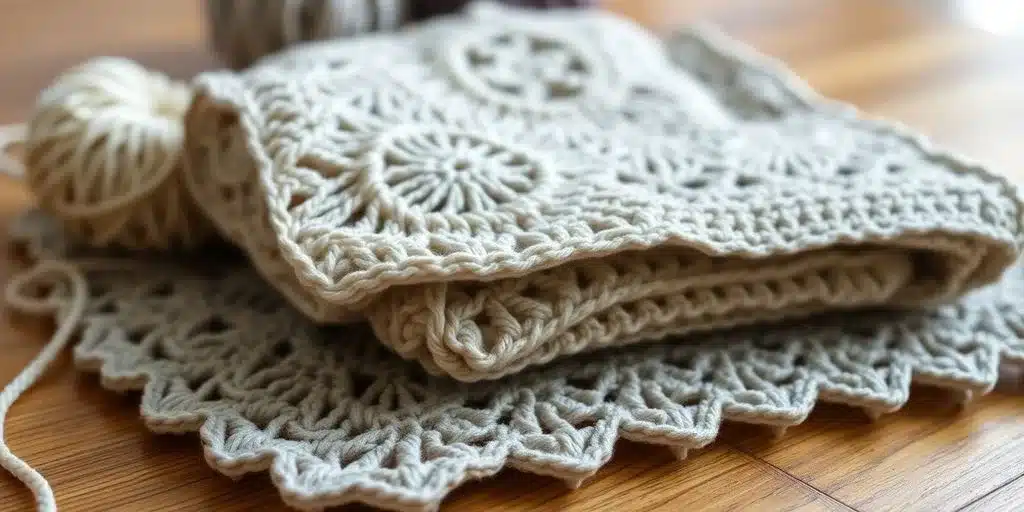
Crochet’s history is a bit like a tangled yarn ball—complex and intriguing. It’s believed to have roots in various ancient needlework techniques. These methods include shepherd’s knitting, lace-making, and embroidery. Each of these crafts involved looping yarn or thread in ways that are reminiscent of crochet today. It’s fascinating to think how these early techniques laid the groundwork for what we now recognize as crochet.
Theories on Early Crochet
The origins of crochet are as mysterious as a locked diary. Some folks say it started in Arabia and traveled along trade routes to the Mediterranean. Others think it might have been born in South America or evolved from Chinese needlework that spread to places like Turkey and North Africa. Each theory adds a piece to the puzzle, but none have been definitively proven. It’s like trying to solve a mystery with only half the clues.
Possible Beginnings in Arabia
There’s a theory that crochet may have started in Arabia, where intricate designs were common in textiles. This idea is supported by the detailed patterns found in early Arabian fabrics. As traders moved through the region, it’s possible they carried these techniques with them, spreading the craft far and wide. While we may never know the exact origins, the Arabian influence is a strong contender in crochet’s mysterious beginnings.
Imagine a time long ago, where a simple hook and yarn were all you needed to create something beautiful. The mystery of crochet’s origins only adds to its charm, making every stitch a part of a story that’s been unfolding for centuries.
Crochet’s Journey Through Time
Crochet in Ancient Arabia
The origins of crochet are as tangled and intricate as the stitches themselves. Some believe it all began in ancient Arabia, where needlework was vital to daily life. Craftsmen and women used bare hooks and yarns to create functional items. This early form of crochet might have been more about utility than art, but it laid the groundwork for what was to come. The Arabian influence is seen in the rhythmic, repetitive patterns that echo the region’s rich textile traditions.
Influence of Chinese Needlework
As trade routes expanded, so did the exchange of ideas and techniques. Chinese needlework, known for its precision and elegance, played a role in evolving crochet. The meticulous attention to detail in Chinese embroidery and textile arts influenced the development of more complex crochet patterns. This cultural exchange enriched crochet, adding layers of sophistication and variety to its repertoire.
South American Connections
Across the ocean, in South America, indigenous cultures were also crafting with hooks and threads. South American textiles’ vibrant colours and bold designs left their mark on crochet, introducing new styles and motifs. It’s fascinating to think about how these diverse influences came together, shaping crochet into a global craft that transcends borders.
Crochet’s journey is a testament to human creativity and adaptability, evolving through time and across continents to become the beloved craft it is today. Each stitch tells a story of cultural exchange and innovation.
The Rise of Crochet in Europe
Introduction by the Moors
The journey of crochet to Europe is often credited to the Moors. During their conquests, they introduced various textile techniques, including early forms of crochet. As they moved through the continent, these methods mingled with local traditions, gradually evolving into the crochet we recognize today.
19th Century Popularity
Crochet really took off in the 19th century. It wasn’t just a hobby; it was a way for many to make a living, especially during hard times. Queen Victoria was a huge fan, and her love for crochet helped it gain status. Irish crochet, in particular, became a lifeline during the Great Irish Famine, providing much-needed income.
Role of Queen Victoria
Queen Victoria didn’t just dabble in crochet; she was all in. She crocheted items for charity and even learned Irish crochet to support the Irish during the famine. Her endorsement made crochet fashionable and acceptable in high society.
Crochet in Europe grew into a rich and diverse craft, influenced by various cultures and historical events, and continues to thrive today.
Techniques Predating Modern Crochet
Shepherd’s Knitting
Shepherd’s knitting, also known as slip-stitch crochet, is one of the earliest forms of crochet. In the British Isles, folks called it shepherd’s knitting, though it had different names in other places. This technique involved pulling one loop through another, creating a fabric that resembles modern crochet. It’s fascinating how this simple method laid the groundwork for what we now call crochet. Imagine shepherds back in the day, sitting with their flocks, looping yarn into something useful. It’s like they were crocheting before it was cool.
Tambour Embroidery
Tambour embroidery is another old-school method that paved the way for crochet. This technique used a small, hooked needle to make chain stitches on fabric. It was all the rage in Europe back then and is seen as a precursor to crochet because of its hooked tool. Picture someone sitting with a tambour hook, creating intricate designs on fabric, not knowing they were setting the stage for a whole new craft.
Nålebinding
Nålebinding is even older than crochet, using a single needle to loop yarn through previous loops to create fabric. This technique was used in various cultures across the globe. It’s often seen as a forerunner to both knitting and crochet. Imagine ancient people using bone or wood needles to make their clothes. It’s wild to think how these early methods influenced the needlework we do today.
These ancient techniques show how crochet evolved from simpler forms of needlework. They remind us that creativity with yarn and thread is as old as time, connecting us to the past in a tangible way.
When you think about it, fastening methods in fashion have also evolved over the years, from ancient drawstrings to modern zippers, much like how crochet has developed from these early techniques into the craft we know today.
Cultural Impact of Crochet
Irish Crochet During the Famine
In the 19th century, Ireland faced the Great Famine, a time of extreme hardship. Crochet became more than just a craft; it was a lifeline for many Irish families. Women and children crafted intricate lace pieces that were sold across Europe. This provided much-needed income and helped preserve the rich tradition of Irish crochet. As families emigrated to the Americas, they took their skills with them, spreading the craft even further.
Crochet Boom in the 1960s and 70s
The 1960s and 70s saw a resurgence in the popularity of crochet, fueled by the counterculture movement. Crochet was embraced for its handmade, personalized touch. People crocheted everything from clothing to home decor, showcasing their creativity and individuality. This era also saw the rise of innovative crochet techniques, making the craft more accessible and exciting for new generations.
Modern Crochet Trends
Today, crochet is enjoying another wave of popularity. It’s not just a hobby; it’s a form of artistic expression and a way to connect with others. Online communities have made learning and sharing crochet techniques easier, creating a global network of enthusiasts. The versatility of crochet is truly timeless, allowing it to adapt to modern tastes and trends.
Evolution of Crochet Patterns
First Published Patterns
In the early 19th century, crochet began gaining traction with its first patterns’ publication. These patterns, appearing around 1824, were often elaborate designs intended for luxury items like purses crafted from gold and silver silk threads. Back then, instructions weren’t always clear, so crocheters had to rely heavily on illustrations to guide them. This marked a pivotal moment, opening the door for crochet to become more mainstream.
Influence of Pattern Books
Pattern books soon followed, expanding the repertoire of available designs. These books played a crucial role in popularizing crochet, offering a variety of stitches and techniques that were previously unknown or undocumented. As these books became more accessible, they allowed enthusiasts to experiment and create more intricate designs, pushing the boundaries of what could be achieved with crochet.
Diverse Designs: Pattern books introduced various designs, from simple motifs to complex lacework.
Accessibility: With more books available, people from different regions could learn and share techniques.
Innovation: Encouraged creativity and the development of new stitches and patterns.
Online Communities and Sharing
Fast forward to the digital age, and crochet has found a thriving home online. Communities have sprung up across various platforms where enthusiasts can share patterns, tips, and their latest creations. This online presence has kept Crochet alive and introduced it to a younger generation eager to learn and innovate.
Today, crochet is more than just a craft; it’s a global community where ideas and creativity are shared freely, ensuring its place in the modern world.
Online platforms have democratized access to crochet knowledge, making it easier than ever for beginners and seasoned crafters to find resources and connect with others who share their passion.
Conclusion
So, where did crochet really come from? It’s a bit like trying to find a needle in a haystack. The origins are tangled up in history, with threads leading back to Arabia, China, and South America. We know that by the 19th century, crochet had made its way to Europe, thanks in part to Queen Victoria’s love for the craft. It became a way for people to express creativity, make a living, or pass the time. Today, crochet is more than just a hobby; it’s a link to our past and a canvas for future creativity. Whether making a cosy blanket or a delicate lace doily, you’re part of a tradition as rich and varied as the stitches you create.
Frequently Asked Questions
What is crochet?
Crochet is a craft that uses a single hooked needle to loop yarn into fabric. It’s different from knitting, which uses two needles.
Where did crochet begin?
The exact starting point of crochet is unknown, but it might have begun in places like Arabia, South America, or China. It became popular in Europe in the 1800s.
How is crochet different from knitting?
Crochet uses one hook to make loops, while knitting uses two needles. This makes crochet patterns more flexible and detailed.
Who made crochet popular in Europe?
Queen Victoria helped make crochet fashionable in Europe. She enjoyed crocheting and even learned Irish crochet to support people during the Irish Potato Famine.
What are some old techniques related to crochet?
Before crochet was common, people used methods like Shepherd’s knitting, tambour embroidery, and nålebinding, which are considered early forms of crochet.
What can you make with crochet?
Crochet can be used to create many things like blankets, hats, scarves, bags, lacy shawls, and even clothes like sweaters and bathing suits.