DIYbrico | Discover, Create, Inspire

Mastering Tunisian Crochet: A Comprehensive Guide for Beginners
Master Tunisian crochet with this guide for beginners. Learn stitches, techniques, and start creative projects.

Table of Contents
Tunisian crochet is really cool. It’s kind of like a mix between knitting and regular crochet. It might look tricky if you’re just starting out but don’t worry. With a little practice, you’ll get the hang of it. This guide is here to help you get started and learn the basics. We’ve got you covered, from picking out the right yarn and hook to trying some simple patterns.
Key Takeaways
- Tunisian crochet is a unique blend of knitting and crochet that creates a distinct texture.
- Choosing the right yarn and hook is crucial for getting the best results in your projects.
- Beginners should start with simple patterns to build confidence and skills.
- Practising basic stitches will lay the foundation for more complex designs later on.
- Joining the Tunisian crochet community can provide support and inspiration.
Understanding the Basics of Tunisian Crochet
What is Tunisian Crochet?
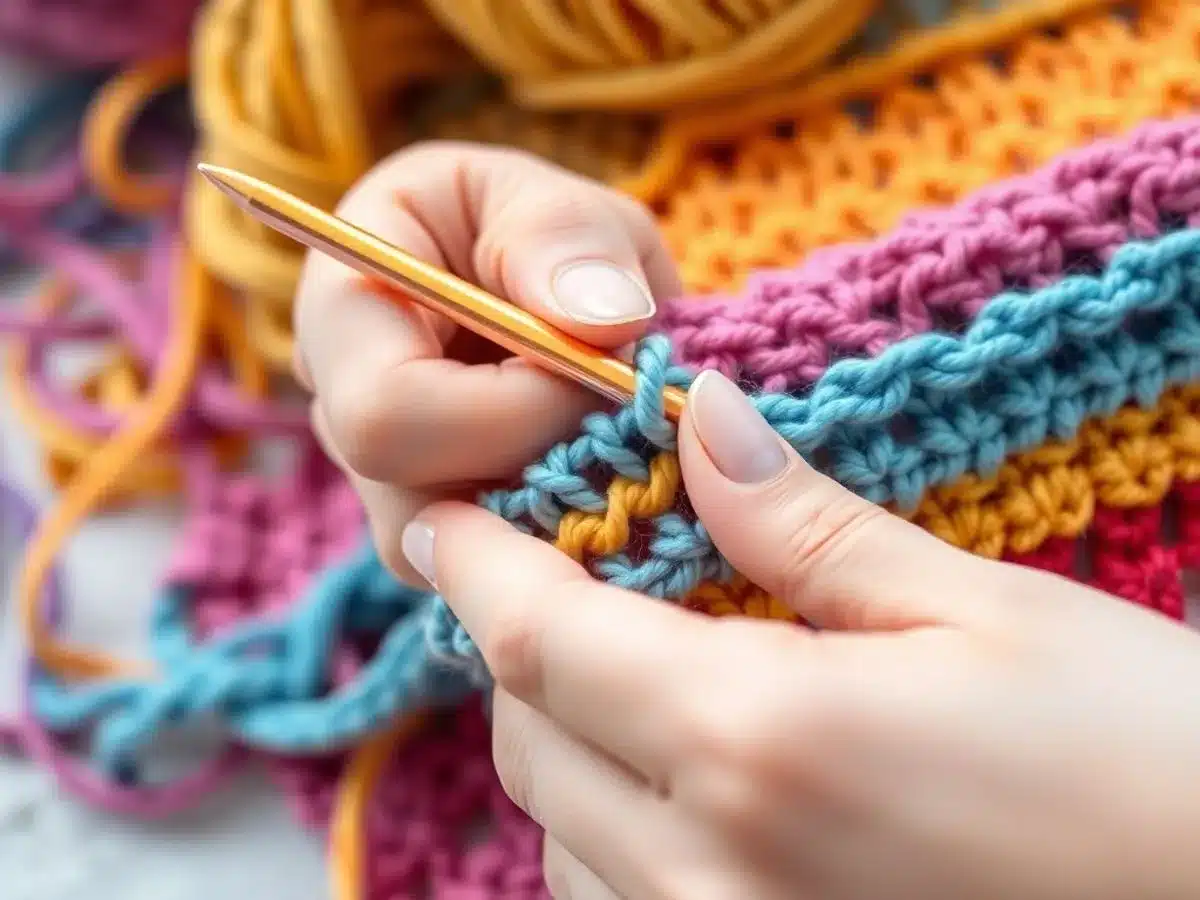
Tunisian crochet, sometimes called Afghan crochet, is like a blend of knitting and regular crochet. You use a special elongated hook, an Afghan hook, which lets you keep multiple stitches on the hook simultaneously. This technique creates a thicker and warmer fabric than typical crochet, making it perfect for cozy blankets and snug garments. If you’re curious about trying something new, this method offers a fresh twist on traditional crochet techniques.
Essential Tools and Materials
To start with Tunisian crochet, you need a few basic tools. First, you’ll need a Tunisian crochet hook. These hooks are longer than regular crochet hooks and come in various sizes. Next, you’ll need yarn that complements your hook size—generally, something medium-weight works well for beginners. Don’t forget other essentials like scissors, stitch markers, and a tapestry needle. These tools will help you start your first project without a hitch.
Basic Tunisian Crochet Stitches
Getting the hang of basic stitches is crucial. Start with the Tunisian Simple Stitch (TSS), the foundation for most patterns. Once you’re comfortable, try the Tunisian Knit Stitch (TKS), which mimics the look of knitted fabric. Then, there’s the Tunisian Purl Stitch (TPS), which adds texture and variety to your projects. Practising these stitches will open up a world of patterns and designs, allowing you to create beautiful and unique pieces.
Getting Started with Tunisian Crochet Projects
Choosing the Right Yarn and Hook
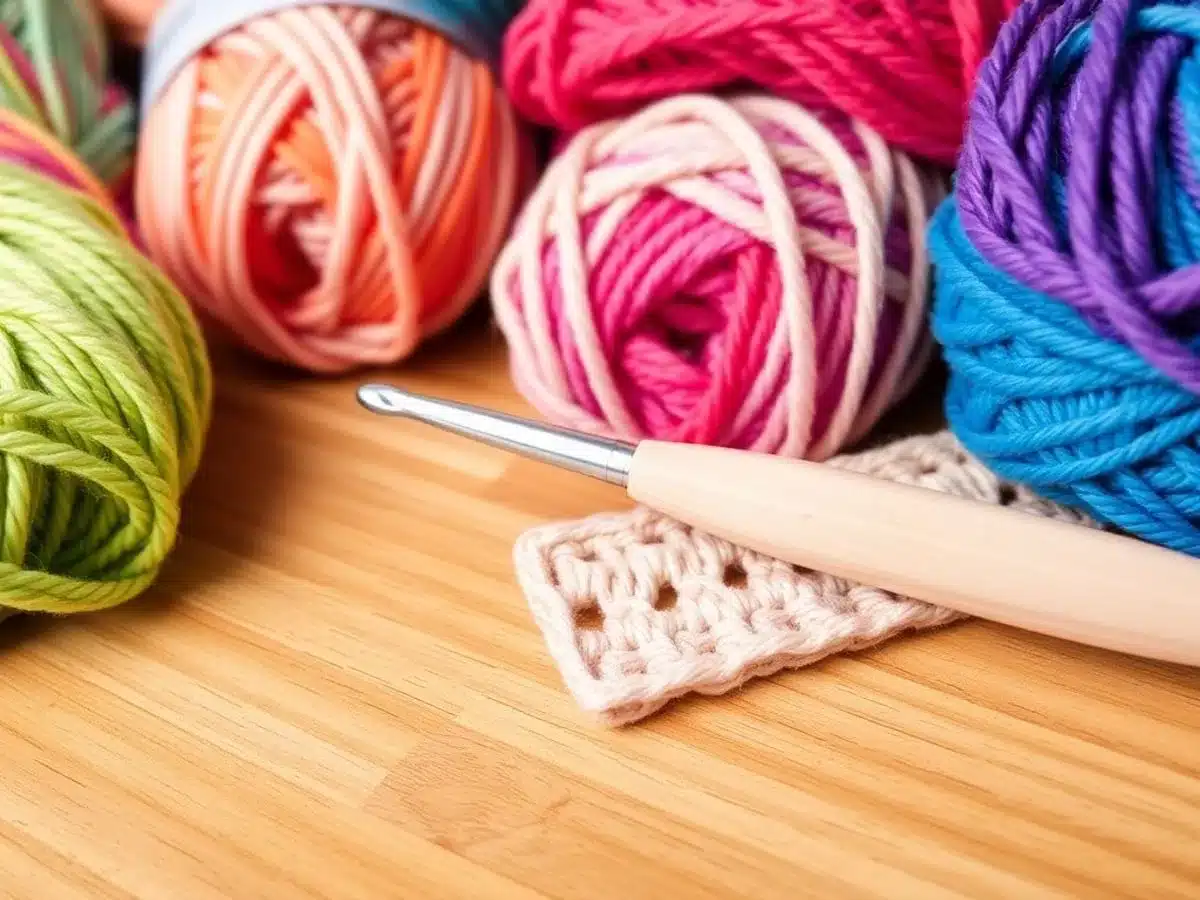
Selecting the right yarn and hook is your first step into the world of Tunisian crochet. Thicker yarns are beginner-friendly because they’re easier to manage and let you see your stitches clearly. Opt for a medium-weight yarn—it’s versatile and works well with most projects. When it comes to hooks, longer ones are ideal for Tunisian crochet, allowing you to hold multiple stitches. A hook size between 5mm to 6mm is usually a good starting point.
Simple Tunisian Crochet Patterns
Jumping into patterns might seem daunting, but starting with simple ones can make it enjoyable. Try out a basic scarf or dishcloth. These projects are straightforward and help you practice your stitches. Here’s a quick list of beginner-friendly patterns:
- Basic Scarf – A great way to practice the Tunisian Simple Stitch.
- Dishcloth – Perfect for trying out different stitches while making something useful.
- Simple Blanket – Start small, like a baby blanket, to get used to working with larger pieces.
Tips for Beginners
Starting with Tunisian crochet? Here are some handy tips:
- Practice Regularly: The more you crochet, the better you get. Try setting aside a bit of time each day to practice.
- Don’t Rush: Take your time with each stitch. It’s not a race, and careful work leads to a better finish.
- Use Markers: Stitch markers can be lifesavers, especially in complex patterns. They help you keep track of rows and stitches.
Remember, every piece you create is a step towards mastering Tunisian crochet. Mistakes are just part of the learning process, so embrace them as you improve your skills.
For a detailed introduction to the Tunisian crochet stitch, check out this comprehensive guide. It’s tailored for beginners and provides clear steps to help you get started.
Exploring Advanced Tunisian Crochet Techniques
Tunisian Lace Patterns
Tunisian lace patterns are where things get really interesting. They combine the dense texture of Tunisian crochet with the light, airy feel of lace. This technique involves creating open spaces within your work, giving it a delicate look. To master Tunisian lace, you’ll need to get comfortable with yarn overs and decreases. These are the building blocks of lace patterns. Start with simple patterns and gradually move to more complex designs as you gain confidence.
Colorwork in Tunisian Crochet
Colorwork is a fantastic way to bring life to your Tunisian crochet projects. It involves using multiple colors of yarn to create patterns or images in your work. The key to successful colourwork is managing your yarns to avoid tangles and keeping your tension consistent. Here are some tips to get started:
- Choose a simple pattern if you’re new to colorwork.
- Practice carrying your yarns on the back of your work.
- Keep your tension even to avoid puckering.
Combining Stitches for Unique Designs
Once you’re comfortable with the basics, it’s time to experiment with combining different stitches. This is where your creativity can really shine. Mixing stitches can add texture and dimension to your projects. For example, try combining the Tunisian Simple Stitch with the Tunisian Knit Stitch for a unique texture. Or, add some purl stitches for a ribbed effect. The possibilities are endless, and the more you experiment, the more you’ll discover what works for you.
Remember, the beauty of crochet lies in its versatility and the ability to create something truly unique. Don’t be afraid to try new things and make mistakes along the way. Each project is a learning experience.
Troubleshooting Common Tunisian Crochet Issues
Fixing Uneven Tension
Uneven tension in Tunisian crochet can really throw off your project. You might find your stitches are too tight or too loose, making your work look uneven. The key to fixing this is practice and patience. Here are a few steps to help:
- Make swatches: Practice with different stitches to see what your natural tension is like.
- Adjust your hook size: Sometimes, a different hook can make all the difference. If your stitches are too tight, try a larger hook.
- Use stitch markers: These can help you keep track of your stitch count and maintain even tension throughout your work.
Correcting Mistakes in Patterns
Mistakes happen, especially when you’re learning something new. If you miss a stitch or add an extra one, your pattern can quickly go off track. Here’s how to deal with it:
- Identify the mistake: Go back through your work to find where things went wrong.
- Undo carefully: Rip back to the mistake gently to avoid damaging your yarn.
- Rework the section: Once you’ve fixed the error, continue with your pattern.
Adjusting Hook Size for Better Results
Choosing the right hook size is crucial for achieving the desired look and feel of your project. If your work is too stiff, try a larger hook; if it’s too loose, go smaller. Here’s a quick guide:
| Issue | Solution |
|---|---|
| Stitches too tight | Use a larger hook |
| Stitches too loose | Opt for a smaller hook |
Remember, every crochet project is a learning journey. Don’t get discouraged by setbacks; they are just stepping stones to mastering your craft. Keep experimenting and you’ll find what works best for you.
By following these tips, you’ll be able to tackle common Tunisian crochet issues and enjoy your crafting journey even more. For more tips on creating a smooth crochet chain, check out this guide.
Incorporating Tunisian Crochet into Everyday Items
Creating Wearable Accessories
Tunisian crochet is a fantastic way to make wearable items that are both stylish and warm. Scarves, hats, and mittens crafted with this technique not only keep you cozy but also add a unique touch to your outfit. The dense texture of Tunisian crochet makes for excellent insulation, perfect for chilly days. To start, try making a simple scarf using the Tunisian simple stitch, which provides a nice, woven look. Once you’re comfortable, you can experiment with more complex patterns like the Tunisian knit stitch for a knit-like appearance.
Designing Home Decor Pieces
Adding a personal touch to your home is easy with Tunisian crochet. From blankets to cushion covers, the possibilities are endless. The technique’s thicker fabric makes it ideal for home decor items that require durability and a plush feel. For a fun project, consider creating a felted leaf decoration that can double as a pot holder or a decorative piece. This not only adds a splash of color to your space but also showcases your crochet skills.
Crafting Personalized Gifts
Handmade gifts are always cherished, and Tunisian crochet offers a wonderful opportunity to create something special. Whether it’s a custom blanket for a friend or a set of coasters for a housewarming gift, the effort and thought put into these items are sure to be appreciated. For beginners, starting with small projects like bookmarks or wristbands can be a good way to hone your skills while creating something meaningful.
Remember: The beauty of Tunisian crochet lies in its versatility and the personal touch it brings to every project. Each piece you create is a reflection of your creativity and care, making it a perfect addition to everyday life.
Joining the Tunisian Crochet Community
Finding Online Resources and Tutorials
Getting into Tunisian crochet join as you go is like opening a door to a whole new world of creativity. There’s a ton of stuff online that can help you get started. From YouTube tutorials to blogs, the internet is packed with resources. You can find step-by-step guides, video tutorials, and forums where you can ask questions and share tips. It’s like having a crochet class right at your fingertips. Just grab your hook, pick a project, and start exploring!
Participating in Crochet-Alongs
If you’re looking to connect with others and learn new techniques, crochet-alongs (CALs) are the way to go. These are community events where everyone works on the same project at the same time. It’s a great way to stay motivated and see how others interpret the same pattern. Plus, you’ll get to share your progress and maybe even pick up some tips from fellow crocheters. CALs can be found on platforms like Facebook, Ravelry, and even Instagram.
Sharing Your Creations
Once you’ve got a few projects under your belt, why not show them off? Sharing your work on social media or in crochet groups can be super rewarding. You get feedback, encouragement, and sometimes even helpful critiques. It’s also a chance to inspire others with your unique style and ideas. Don’t be shy—post those photos and let the world see your creativity! You never know who you might inspire to pick up a hook and start their own crochet journey.
Enhancing Your Skills with Tunisian Crochet Books
Recommended Reading for Beginners
When you’re just starting out with Tunisian crochet, having the right book can make all the difference. Books offer a tangible guide that you can flip through at your own pace without the distractions of digital screens. Some great beginner books include “Mastering Tunisian Crochet: A Beginner’s Guide,” which takes you through the basics with clear illustrations and step-by-step instructions. Another favourite is “Tunisian Crochet Workshop” by Michelle Robinson, featuring 16 lessons that cover everything from basic stitches to more advanced techniques like colourwork and shaping.
Exploring Pattern Books
Once you’re comfortable with the basics, it’s time to dive into pattern books. These books are treasure troves of inspiration, offering a variety of projects that challenge your skills and expand your creativity. “Learn Tunisian Crochet in the Round” by Sandy Walker is a fantastic resource, teaching you how to create stunning square blocks and graphic designs. Pattern books not only provide new ideas but also help you refine your technique as you tackle more complex projects.
Learning from Expert Authors
There’s something special about learning from those who have mastered the craft. Books by expert authors provide insights and tips that you won’t find in online tutorials. They often include personal anecdotes and experiences that enrich your understanding of Tunisian crochet. Whether it’s a comprehensive guide or a specialized book focusing on a particular technique, these works are invaluable for anyone looking to deepen their knowledge and skills.
Books are more than just pages of text; they’re companions on your crochet journey, offering guidance, inspiration, and the wisdom of experienced crafters. Embrace the opportunity to learn from the best and let these resources fuel your passion for Tunisian crochet.
For those interested in a distinctive style resembling knitting, diving into a book can offer structured learning and a sense of accomplishment as you complete each project. Whether you’re on a cosy couch or travelling, these books are your go-to resource, helping you grow from a novice to an experienced crocheter.
Wrapping Up Your Tunisian Crochet Journey
So, you’ve made it to the end of our guide on Tunisian crochet. Congrats! You’ve learned a bunch of new skills, from the basic stitches to some pretty cool advanced techniques. Remember, every crochet project is a chance to learn something new. Don’t stress if things don’t go perfectly the first time. It’s all part of the process. Keep practicing, and soon you’ll be making all sorts of amazing things. Whether it’s a cozy scarf or a stylish hat, the possibilities are endless. So grab your hook, pick out some yarn, and start your next project. Happy crocheting!
Frequently Asked Questions
What exactly is Tunisian crochet?
Tunisian crochet is a special kind of crochet that mixes elements of knitting and crochet. It uses a longer hook, known as a Tunisian or Afghan hook, allowing you to keep many stitches on the hook at once. This makes it great for creating thick, warm fabric perfect for blankets and cozy wearables.
What tools do I need to start Tunisian crochet?
To begin Tunisian crochet, you’ll need a Tunisian hook, which is longer than regular crochet hooks. You’ll also need yarn, scissors, and a tapestry needle for finishing touches. Stitch markers can also be helpful for keeping track of your work.
How do I fix uneven tension in my crochet?
Uneven tension can make your crochet look lumpy. To fix this, practice making swatches to find your natural tension. You might need to change your hook size. Also, using stitch markers can help you keep track of your stitches.
What are some beginner-friendly Tunisian crochet projects?
For beginners, simple projects like scarves, dishcloths, or small blankets are great to start with. These projects help you practice basic stitches and get comfortable with the technique without being too complicated.
Can I use regular crochet hooks for Tunisian crochet?
Regular crochet hooks can be used for small Tunisian crochet projects, but they may not hold enough stitches for larger pieces. A Tunisian hook is recommended for more extensive work as it allows you to hold more stitches.
How do I choose the right yarn for Tunisian crochet?
Choosing yarn for Tunisian crochet depends on the project. For warm items like blankets, thicker yarns work well. For lighter items, you might choose a finer yarn. Always check the yarn label for the recommended hook size and project suitability.