DIYbrico | Discover, Create, Inspire
The Ultimate Guide to Choosing the Perfect Crochet Hook for Your Next Project
Discover the ideal crochet hook for your project with our comprehensive guide. Enhance your crafting today!

Table of Contents
Picking the right crochet hook can really change your crafting game. You might think a hook is just a hook, but the truth is, the type of hook you use can make your crochet projects easier and more fun. With so many choices out there, it can get a bit confusing. This guide is here to help you sort through all the options and find the perfect crochet hook for your next project.
Key Takeaways
- Different crochet hooks are made from materials like metal, wood, and plastic, each offering a unique feel.
- Hook size matters and should match the yarn weight for the best results.
- Ergonomic hooks can help reduce hand fatigue during long crocheting sessions.
- Special features like light-up hooks can be handy for working in low-light conditions.
- Proper care and storage can extend the life of your crochet hooks.
Understanding Different Types of Crochet Hooks
Choosing the right crochet hook can greatly impact your crafting experience. There are several types of hooks, each with unique features that cater to different needs and preferences. Let’s dive into the most common types:
Metal Hooks: Durability and Speed
Metal hooks, usually made from aluminium or steel, are popular for their durability and smooth operation. They glide through yarn effortlessly, making them an excellent choice for projects that require speed and precision. These hooks are particularly suitable for intricate patterns and fine threads. However, their slick surface might not be ideal for beginners who need more control over their stitches.
Wooden Hooks: Warmth and Grip
Wooden hooks, often crafted from bamboo or birch, offer a warm and natural feel. They provide a slight grip, which can be helpful when working with slippery yarns. This makes them a favourite for those who prefer a more tactile experience. Wooden hooks are also lightweight, reducing hand fatigue during long crocheting sessions. However, they can be more prone to breaking if not handled carefully.
Plastic Hooks: Lightweight and Affordable
Plastic hooks are a budget-friendly option, making them perfect for beginners. They are incredibly lightweight, which makes them easy to handle, especially for those new to crochet. Available in a variety of colors and sizes, plastic hooks are versatile and fun. However, they may not be as durable as metal or wooden hooks, and their flexibility can sometimes make them less precise.
Ergonomic Hooks: Comfort for Long Sessions
Ergonomic hooks are designed with comfort in mind. They typically feature a cushioned or contoured handle that reduces strain on the hands and fingers, making them ideal for extended crocheting periods. Ergonomic hooks could be the solution if you often experience discomfort or pain while crocheting. They come in various materials, including metal and plastic, combining the benefits of durability and comfort in one tool.
When selecting a crochet hook, consider what material and design will best suit your project and personal comfort. Each type of hook offers distinct advantages that cater to different crochet styles and preferences. Whether you’re aiming for speed, comfort, or affordability, there’s a hook out there that’s perfect for you.
For more insights on choosing the right crochet hook, explore this guide that delves into various types and their benefits.
Choosing the Right Crochet Hook Size
Matching Hook Size to Yarn Weight
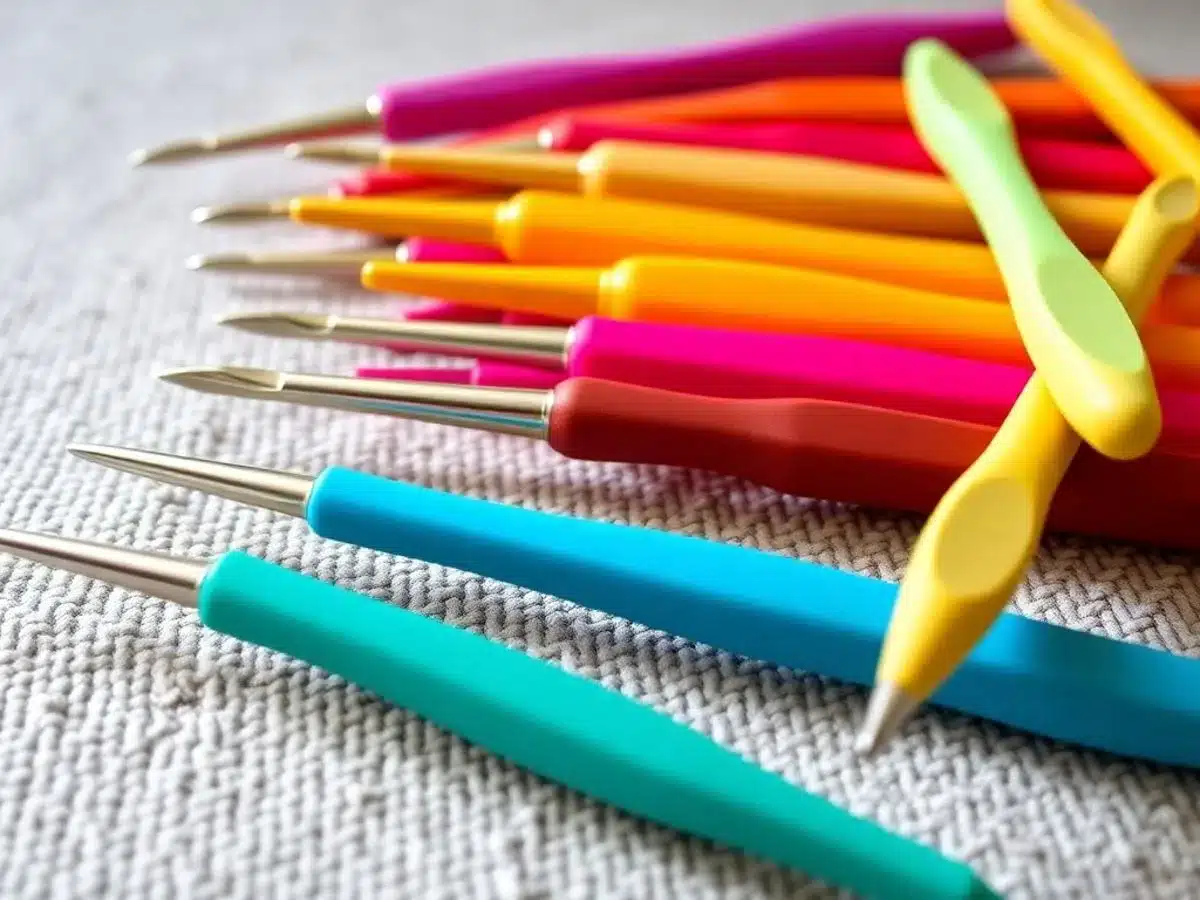
Picking the right hook size for your yarn is like finding the right shoe size for your feet—it just makes everything fit better. Each yarn weight pairs best with a specific range of hook sizes, ensuring your stitches come out just right. Here’s a quick reference:
| Yarn Weight | Recommended Hook Size (mm) |
|---|---|
| Super Fine (Lace) | 2.25 – 3.5 |
| Fine (Sock, Sport) | 3.5 – 4.5 |
| Light (DK, Light Worsted) | 4.5 – 5.5 |
| Medium (Worsted, Aran) | 5.5 – 6.5 |
| Bulky (Chunky) | 6.5 – 9.0 |
| Super Bulky | 9.0+ |
When working on a project like a hat or scarf, you’ll want to ensure your hook matches the yarn weight to avoid any wonky stitches.
Impact of Hook Size on Stitch Tension
The size of your crochet hook plays a huge role in the tension of your stitches. A larger hook will give you looser stitches, which is great for a flowy, open look. Conversely, a smaller hook tightens things up, perfect for more structured, dense fabrics. If you’re finding that your stitches are too tight or too loose, try switching up your hook size. It’s a simple tweak that can make a big difference in the final look of your project.
Adjusting Hook Size for Different Projects
Not all projects are created equal, and sometimes, you need to adjust your hook size to get the desired outcome. For instance, if you’re aiming for a super cozy blanket, a larger hook can add softness and drape. But if you’re crafting a sturdy basket, a smaller hook will help maintain its shape and structure. Don’t be afraid to experiment with different hook sizes to see what works best for your project. Remember, there’s no one-size-fits-all in crochet, so feel free to play around until you find what feels right.
Finding the right hook size is a bit like finding the right rhythm in a dance. It might take a few tries, but once you get it, everything just flows.
Exploring Crochet Hook Materials
Aluminum Hooks: Lightweight and Smooth
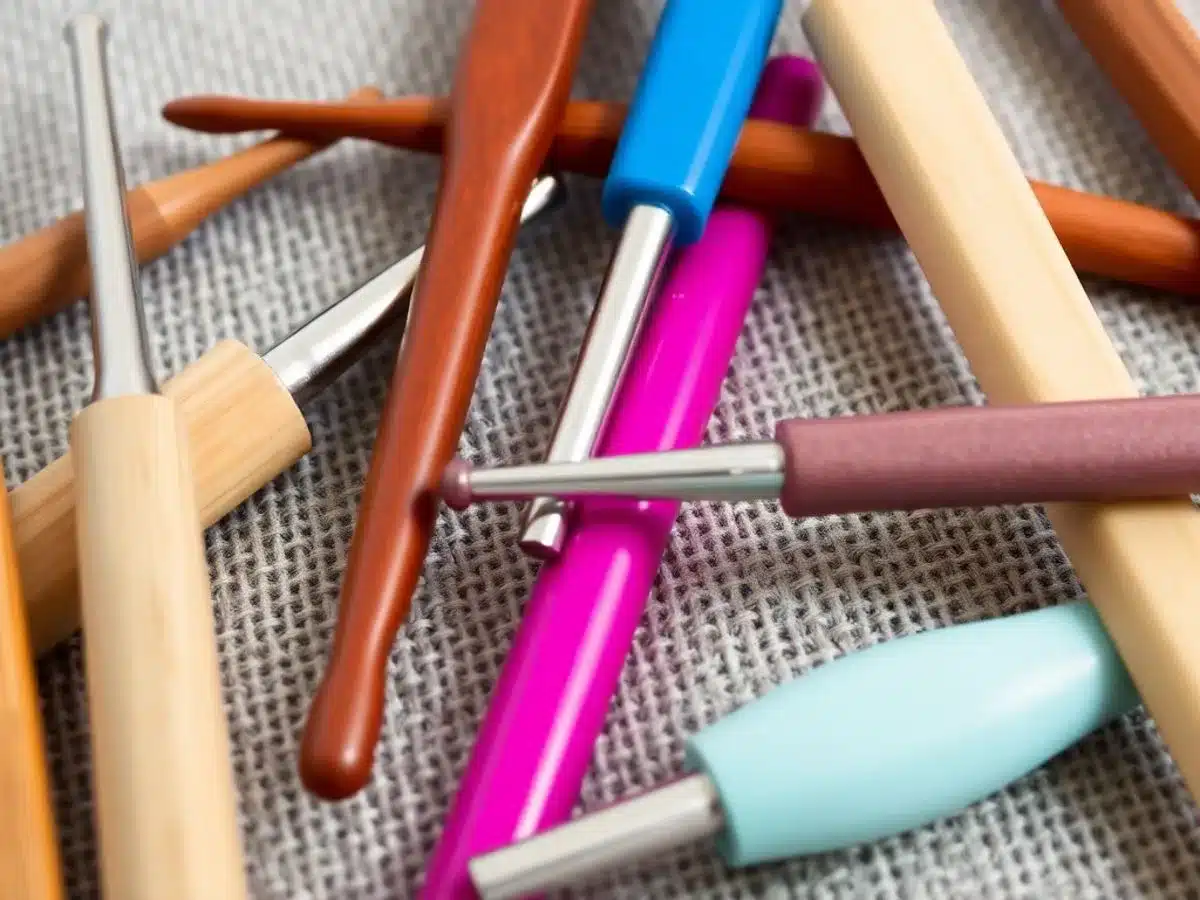
Aluminium hooks are like the speedsters of the crochet world. They’re super light, which means your hands won’t get tired even after long crochet sessions. Plus, they have this great smooth surface that makes yarn glide effortlessly. If you’re working with yarns that tend to snag, aluminium hooks could be your best friend. They’re also pretty affordable, making them a popular choice for both beginners and seasoned crocheters. And hey, they come in all sorts of fun colors, so you can pick one that matches your style!
Steel Hooks: Precision for Fine Threads
When it comes to working with fine threads, steel hooks are the go-to. They’re smaller and more precise, perfect for projects like lace or doilies where every little detail counts. Steel hooks might not be the lightest option, but their durability is unmatched. They hold up well over time, even with frequent use. Steel hooks are worth considering if you’re into intricate patterns and need something sturdy.
Bamboo Hooks: Eco-Friendly and Warm
Bamboo hooks bring a bit of nature into your crafting. They’re warm to the touch, which can be really nice in colder months. Plus, bamboo is a renewable resource, so they’re an eco-friendly option. These hooks have a slight grip, which helps keep slippery yarns under control. While they might not be as slick as aluminium, many find the grip helpful for maintaining tension. Bamboo hooks are also lightweight, so they’re easy on the hands during long projects.
Plastic Hooks: Versatile and Colorful
Plastic hooks are like the jack-of-all-trades. They’re lightweight, which makes them easy to handle, especially for beginners. These hooks come in a rainbow of colors and a wide range of sizes, so there’s something for every project. While they might not be as durable as metal hooks, they’re perfect for larger projects requiring a gentle touch. And let’s face it, the fun colors can make your crochet kit look pretty cheerful!
Special Features to Consider in Crochet Hooks
Ergonomic Handles for Comfort
Crocheting for long hours can be tough on the hands, but ergonomic crochet hooks are here to save the day. These hooks are designed to fit comfortably in your hand, reducing strain and fatigue. Look for hooks with soft grips or contoured handles, which are perfect for those who crochet for extended periods or have arthritis. Think of them as the cushioned sneakers of the crochet world—they make a big difference during a marathon crafting session.
Interchangeable Hook Sets
If you’re the kind of crocheter who loves flexibility, interchangeable hook sets might be your new best friend. These sets come with a variety of hook sizes that can be swapped out on a single handle. It’s like having a Swiss Army knife for crocheting—compact and versatile. This feature is especially handy if you often switch between projects that require different hook sizes. Plus, they usually come in a neat case, keeping your crochet tools organized and ready to go.
Light-Up Hooks for Low-Light Conditions
Ever tried crocheting with dark yarn in a dim room? It’s a challenge! Light-up crochet hooks solve this problem by illuminating your stitches as you work. These hooks have built-in LED lights, making them perfect for late-night crafting or when you’re working with dark colors. They’re not just a gimmick; they’re a practical tool for making sure you don’t miss a stitch. Whether you’re camping or simply enjoying a cozy evening at home, these hooks can be a game-changer for your crochet projects.
Consider these features as you master crochet with the right tools. They can make your crafting more enjoyable and less strenuous.
Tips for Maintaining Your Crochet Hooks
Proper Storage to Prevent Damage
Keeping your crochet hooks in good condition starts with how you store them. Leaving them loose in a bag or drawer can lead to scratches and even breakage. Instead, consider investing in a case or organizer. These protect your hooks and make it easier to find the one you need. A hook organizer roll or pouch is perfect for keeping everything in place, especially when you’re on the go.
Cleaning and Care for Longevity
Regular cleaning of your crochet hooks is essential to maintain their smoothness and functionality. For metal hooks, a simple wipe with a soft cloth after each use can prevent tarnishing. Wooden hooks, on the other hand, benefit from occasional oiling with natural oils like coconut or olive oil to keep them from drying out and cracking. Plastic hooks are less demanding, but they should be kept away from direct sunlight to prevent warping.
Avoiding Common Hook Issues
Avoid dropping your hooks as it can lead to cracks or breaks, especially with wooden or plastic ones. If you notice any rust on metal hooks, gently rub them with a fine steel wool pad or a cloth lightly dipped in mineral oil. For those using ergonomic hooks, it’s crucial to store them in a way that avoids pressure on the handles to maintain their shape and comfort. By taking these precautions, your hooks will stay in top shape, ready for your next project.
How to Choose the Best Crochet Hook for Your Project
Considering Project Type and Yarn
When you’re deciding on a crochet hook, the project type and yarn are key factors to think about. Whether you’re working on a cozy blanket or a delicate doily, the hook you choose can make a big difference. Start by checking the yarn label, as it usually suggests the best hook size for that yarn. This is super helpful, especially if you’re not sure where to begin. For thicker yarns like chunky or super bulky, you’ll need a larger hook to keep your stitches loose and airy. On the flip side, for fine yarns, like lace or fingering, a smaller hook is ideal to maintain tight, neat stitches.
Balancing Comfort and Functionality
Crocheting should be a joy, not a pain. If you’re planning on long crochet sessions, comfort is non-negotiable. Ergonomic hooks are a lifesaver here—they’re designed to reduce hand strain. Think about the handle material too. Some folks love the warmth of wood, while others prefer the slickness of metal. It’s all about what feels right in your hand. Try out different styles and see which one you can hold comfortably for longer periods.
Testing Hooks for Personal Preference
Before committing to a project, it’s a good idea to test a few hooks. Everyone’s got their own groove, and what works for one person might not work for another. You might find that a particular brand or type of hook just feels better. Maybe you like the way a certain hook slides through your yarn, or perhaps you prefer a specific handle shape. Testing lets you find your sweet spot, ensuring your crochet time is as enjoyable as possible.
Choosing the right crochet hook is about finding the perfect balance between the yarn, the project, and your personal comfort. Don’t be afraid to try new things and experiment until you find the combination that works best for you.
Troubleshooting Common Crochet Hook Problems
Dealing with Slippery Hooks
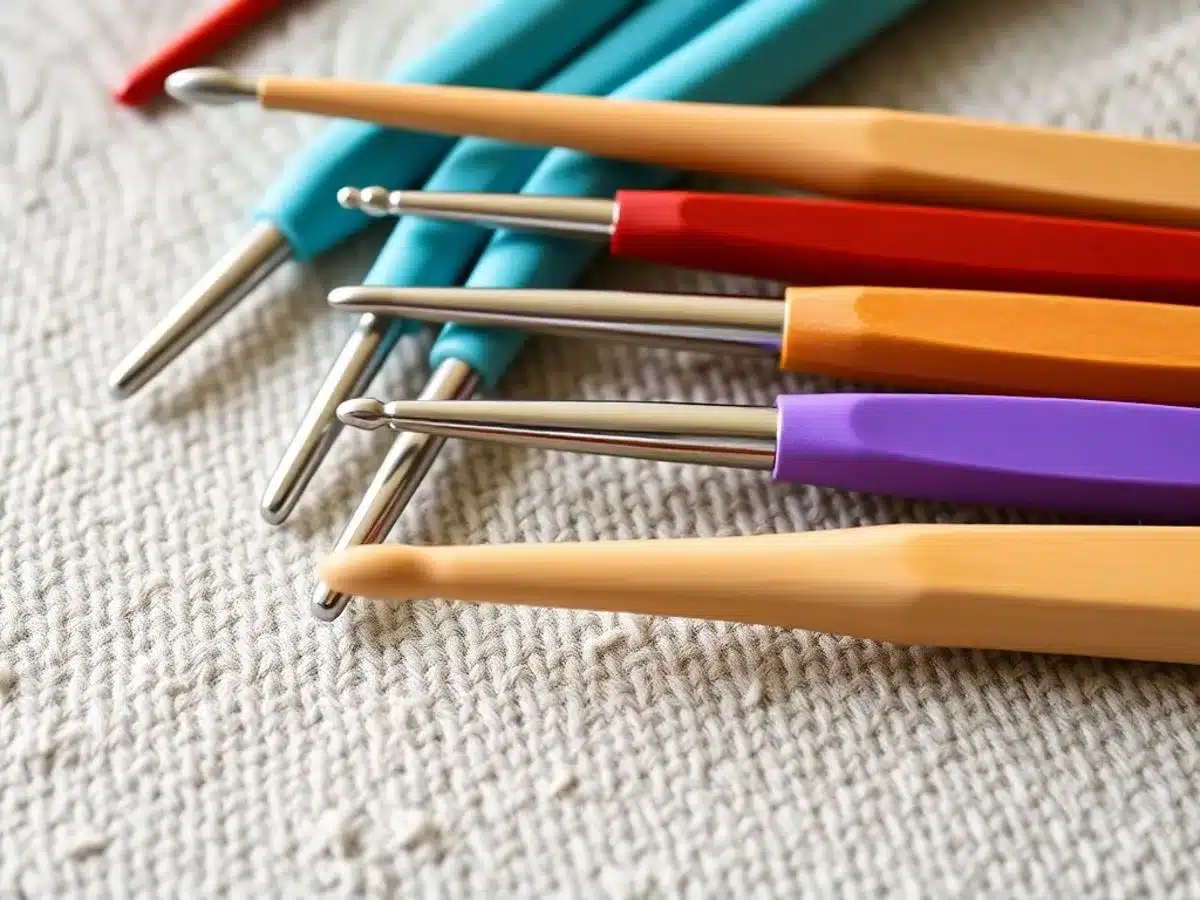
Ever had your crochet hook slip right out of your hand? It’s frustrating, especially when you’re in the groove. Slippery hooks can really mess with your flow. If you’re using metal hooks, try wrapping the handle with a bit of rubber grip tape or even a band-aid for some extra traction. Wooden hooks might be your best bet if you’re struggling, as they naturally offer more grip.
Fixing Hook-Related Tension Issues
Tension is everything in crochet. Too tight, and your piece feels like cardboard; too loose, and it’s all floppy. If your tension is off, consider switching your hook size. A larger hook will naturally loosen your stitches, while a smaller one will tighten them. Also, pulling out a few lengths of yarn before you start can help with tension control.
Choosing Hooks for Specific Techniques
Different techniques call for different hooks. For instance, if you’re into Tunisian crochet, you’ll need a longer hook, often with a stopper at the end. Double-ended hooks are great for reversible projects. And if you’re working in dim lighting, those light-up hooks can be a game-changer. Always match your hook to the technique for the best results.
Remember, the right hook can make a world of difference. It’s not just about size or material; it’s about finding what works for you and your project. Experiment and find your perfect match!
Conclusion
Alright, so there you have it. Picking the right crochet hook can really change how your projects turn out. It’s not just about grabbing any hook and yarn; it’s about finding what feels right in your hand and works best for what you’re making. Whether you’re just starting out or you’ve been crocheting for years, the right tools make a big difference. So, take your time, try out different hooks, and see what fits your style. Happy crocheting, and may your projects be as fun to make as they are to finish!
Frequently Asked Questions
What’s the best crochet hook for beginners?
For beginners, a medium-sized aluminium hook is often recommended. It’s lightweight, easy to handle, and works well with medium-weight yarn.
How do I know what size crochet hook to use?
The size of the crochet hook usually depends on your yarn weight. Check the yarn label for recommended hook sizes, or try different sizes to see what gives you the best results.
What’s the difference between metal and wooden crochet hooks?
Metal hooks are durable and allow for faster crocheting, while wooden hooks offer a warmer feel and better grip, which can be helpful with slippery yarns.
Can I use the same crochet hook for different yarns?
Yes, but you might need to adjust the hook size depending on the yarn thickness. Using the right hook size ensures your stitches are even and your project turns out as expected.
What are ergonomic crochet hooks?
Ergonomic hooks are designed with comfort in mind, often featuring a soft grip handle to reduce hand strain during long crocheting sessions.
How should I care for my crochet hooks?
Store your hooks in a case to prevent damage, and occasionally clean them with a soft cloth to remove any residue from yarns.