DIYbrico | Discover, Create, Inspire

Unlock Your Creativity with These Simple Woodworking Projects for Beginners
Explore simple woodworking projects to unlock creativity. Perfect for beginners seeking fun and functional crafts.

Have you ever thought about picking up woodworking? It’s not just about making furniture; it’s a great way to get creative. Even if you’ve never picked up a hammer, these simple woodworking projects are perfect for beginners. You can make something practical or fun and learn handy skills along the way. Whether it’s a bookshelf or a picture frame, there’s something satisfying about creating with your hands. So grab some wood and tools, and let’s get started!
Key Takeaways
- Woodworking is a fun and creative hobby that anyone can start.
- Simple projects are perfect for beginners to learn basic skills.
- You can create both functional and decorative items.
- Working with wood helps improve problem-solving skills.
- Finishing a project gives a great sense of accomplishment.
Getting Started with Simple Woodworking Projects
Essential Tools for Beginners
Jumping into woodworking can be exciting but also a little daunting. To make your journey smoother, you need a few basic tools. Start with a sturdy workbench—this is your playground. Then, get a good set of hand tools: a hammer, screwdrivers, a tape measure, and a handsaw. A power drill is also handy for making quick work of holes and driving screws. As you advance, consider adding a jigsaw for more intricate cuts and a sander to smooth out those rough edges. Remember, the right tools make all the difference in turning your ideas into reality.
Choosing the Right Wood
Picking the right wood is like choosing the right fabric for a dress—it can make or break your project. Start with softwoods like pine or cedar; they’re easier to work with and perfect for beginners. If you’re feeling adventurous, try hardwoods like oak or maple, which are tougher but offer a beautiful finish. Consider the project’s purpose: will it be outdoors or indoors? This will guide your choice in wood type. Also, always check for knots and warps, as they can affect the stability and appearance of your final piece.
Basic Safety Tips
Safety should be your top priority in woodworking. Always wear safety goggles to protect your eyes from flying debris, and use ear protection if you’re working with loud power tools. Keep your workspace tidy to avoid accidents and ensure your tools are in good condition. Never work with loose clothing or jewelry that could get caught in machinery. And, most importantly, take your time—rushing can lead to mistakes and injuries. Following these safety tips will help you enjoy your woodworking projects without worry.
Woodworking is not just about creating; it’s about the journey of learning and crafting with your own hands. Embrace the process, and soon you’ll be building more than just pieces—you’re building skills and confidence.
Crafting Your First Wooden Furniture
Building a Simple Bookshelf
Starting with a simple bookshelf is a great way to dip your toes into woodworking. You’ll need some basic materials like wooden planks, screws, and wood glue. First, measure and cut your wood to the desired dimensions. Assemble the frame using wood glue and screws for a secure hold. Make sure everything is level and square. Sand down any rough edges and apply a finish of your choice to protect the wood and give it a polished look. This project not only helps you practice measuring and cutting but also gives you a functional piece of furniture for your home.
Creating a Custom Picture Frame
Making a custom picture frame allows for a lot of creativity. Begin by selecting the wood and deciding on the dimensions for your frames. Cut the wood at a 45-degree angle to create clean corners that fit together well. Use wood glue and clamps to secure the corners, and add small nails for extra strength. Once the frame is assembled, sand it smooth and apply paint or stain. This project helps you practice precision cutting and joining, and it gives you a beautiful way to display your favorite photos.
Designing a Wooden Stool
A wooden stool is a practical and straightforward project. Start by choosing sturdy wood, like oak or maple. Cut the pieces for the seat and legs. Assemble the seat first, ensuring it’s smooth and even. Attach the legs using a simple joinery method like pocket holes or dowels. Sand all surfaces and finish with a protective coat. This project teaches you about structural integrity and balance, which are crucial for creating furniture that lasts.
Decorative Woodworking Projects for Your Home
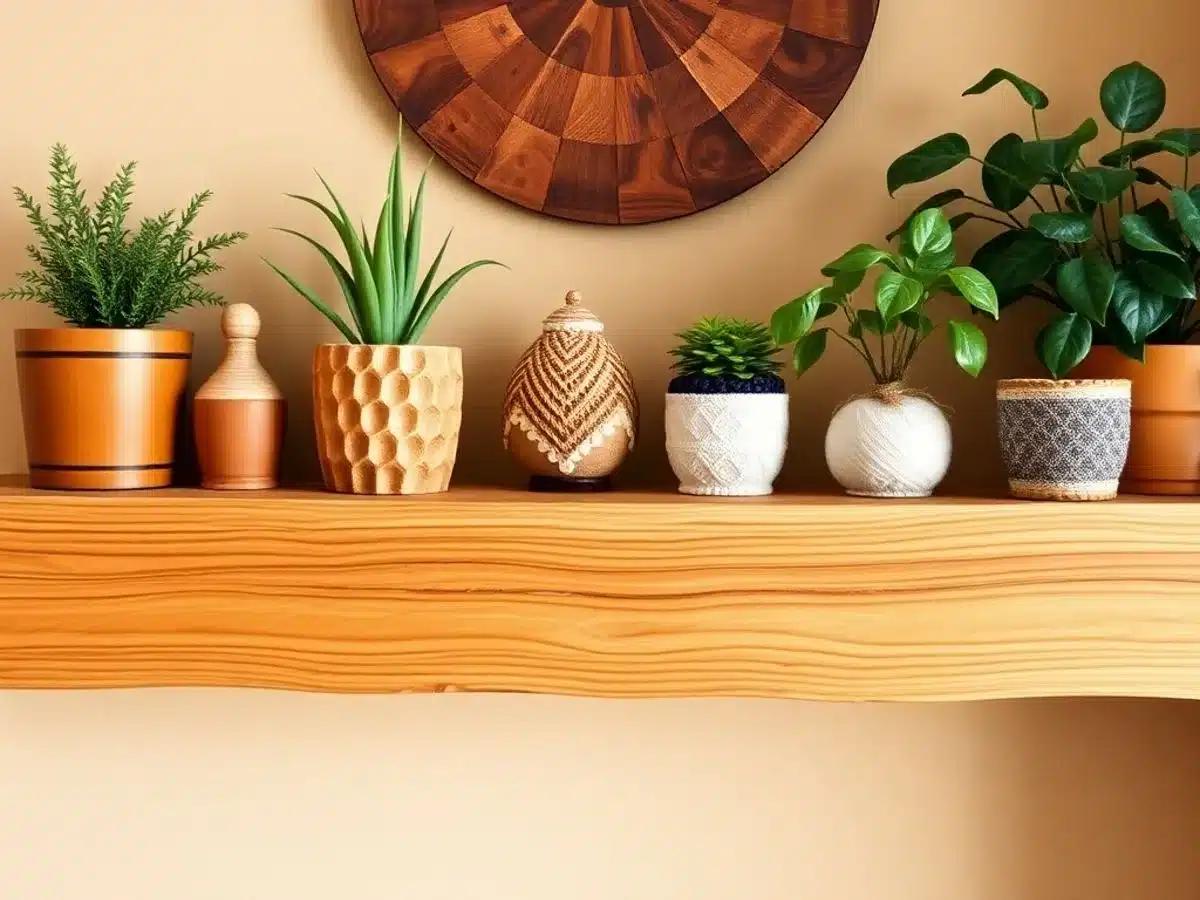
Making a Wooden Wall Art
Creating wooden wall art is a fantastic way to add a personal touch to your home decor. Start by selecting a design that resonates with your style, whether it’s abstract, geometric, or something nature-inspired. Using reclaimed wood can give your piece a rustic charm that’s hard to beat. Here’s how you can get started:
- Choose your wood – think about the type and grain, as this will impact the final look.
- Sketch your design on paper before transferring it to the wood.
- Use a jigsaw or scroll saw to cut out your design.
- Sand the edges to smooth out any rough spots.
- Finish with a stain or paint to match your decor.
This project not only enhances your walls but also gives you a sense of accomplishment every time you see it.
Crafting a Rustic Coffee Table
A rustic coffee table can become the centerpiece of your living room. Start with a solid wood slab or a few planks joined together. The beauty of rustic furniture lies in embracing imperfections, so don’t worry about knots or uneven edges.
- Materials Required:
- Steps to Create:
This table not only serves a functional purpose but also adds a warm, inviting touch to your space.
Designing a Wooden Plant Holder
If you love greenery, a wooden plant holder is a must-have. It’s a simple project that can be customized to fit any space, from a small apartment balcony to a sprawling garden. Here’s a quick guide to making one:
- Materials Needed:
- Steps to Follow:
A wooden plant holder not only showcases your plants beautifully but also adds a touch of nature to your home. For more creative ideas, explore paper crafts to complement your woodworking projects.
Functional Woodworking Projects for Everyday Use
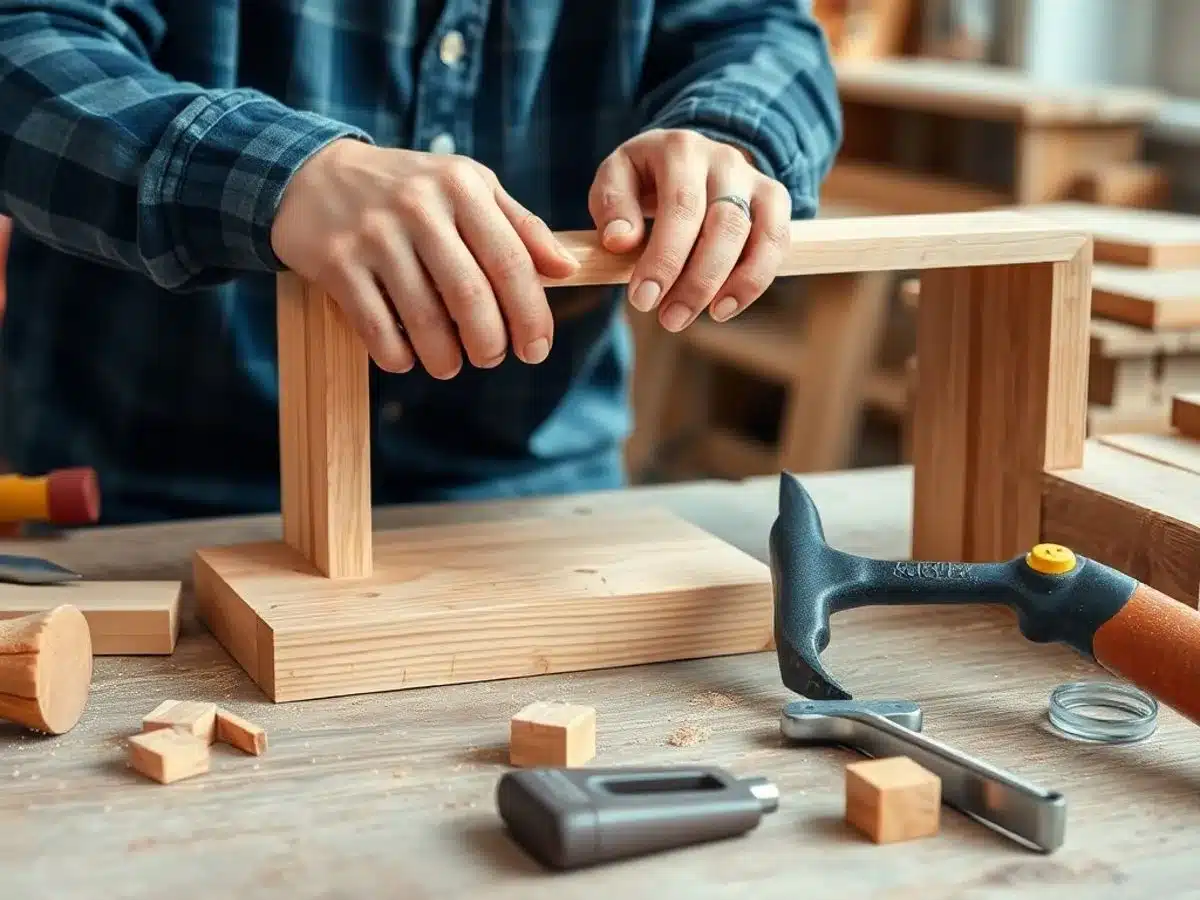
Constructing a Wooden Wine Rack
For all the wine enthusiasts out there, a wooden wine rack is a fantastic project to start with. Not only does it showcase your wine collection, but it also adds a rustic charm to your home. Building a wine rack can be as simple or as intricate as you like. Start by choosing a design that fits your space and style. You’ll need some basic materials like wooden planks, screws, and wood glue. Here’s a quick guide:
- Select Your Wood: Choose a durable wood like oak or pine.
- Cut the Pieces: Measure and cut the wood according to your design.
- Assemble the Rack: Use screws and wood glue to secure the pieces.
- Finish: Sand down any rough edges and apply a finish to protect the wood.
This project not only enhances your woodworking skills but also results in a beautiful piece for your home.
Building a Garden Planter Box
If you’ve got a green thumb, constructing a garden planter box is a rewarding project. It’s perfect for growing herbs, flowers, or even small vegetables. The beauty of a planter box is its versatility. You can customize it to any size or shape to fit your garden space. Here’s how you can get started:
- Choose the Right Wood: Cedar and redwood are great choices because they resist rot.
- Plan Your Design: Determine the size of your planter based on what you want to grow.
- Cut and Assemble: Cut the wood panels to size and assemble them using screws and brackets.
- Add a Liner: Line the inside with landscape fabric to protect the wood from moisture.
A garden planter box not only beautifies your space but also makes gardening more accessible.
Creating a Wooden Jewelry Organizer
Tired of tangled necklaces and missing earrings? A wooden jewelry organizer might just be the solution. This project is not only functional but also adds a touch of elegance to your dresser. Here’s a simple way to create one:
- Design Your Organizer: Decide on the layout – will it have hooks, compartments, or both?
- Gather Materials: You’ll need wooden boards, hooks, and a drill.
- Cut and Assemble: Cut the wood to your desired size and attach hooks for necklaces.
- Finish and Decorate: Sand the edges and paint or stain the wood to match your style.
This project is a delightful way to keep your jewelry tidy and easily accessible.
Woodworking projects like these not only serve a practical purpose but also bring a sense of accomplishment and creativity into your daily life. Whether it’s a wooden wall clock or a jewelry organizer, each piece tells a story of craftsmanship and care.
Exploring Advanced Woodworking Techniques
Mastering Joinery Methods
Getting the hang of joinery is a game-changer in woodworking. It’s all about connecting pieces of wood to make sturdy furniture or structures. Start with the basics like butt joints, where two pieces meet at a right angle. Use wood glue and screws to hold them together. Pocket holes are another beginner-friendly method, where you drill angled holes into one piece, then screw it to another. These are great for frames and boxes. As you get more comfortable, move on to more complex joints like dovetails or mortise and tenon, which offer more strength and a cleaner look.
Sanding and Finishing Tips
Sanding and finishing can make or break your project. A smooth finish can turn a simple piece into something stunning. Start with coarse-grit sandpaper to remove rough spots, then gradually move to finer grits. Always sand in the direction of the grain to avoid scratches. After sanding, apply a finish like varnish or polyurethane. Use a brush or cloth to apply thin, even coats, letting each dry before sanding lightly and applying the next. This not only makes your project look good but also protects it from wear and tear.
Staining and Painting Techniques
Staining and painting your woodworking projects can really bring them to life. For staining, start by applying a wood conditioner to ensure even absorption. Brush or wipe on the stain following the grain, and wipe off any excess. Let it dry completely before applying a clear protective coat. If you’re painting, use a primer to prep the surface, then apply the paint in thin, even layers. This helps the paint adhere better and lasts longer. Experiment with colors and finishes to give your projects a personal touch.
Getting these techniques down might seem tricky at first, but with practice, they’ll become second nature. Each project is a chance to learn and improve, so don’t rush the process. Take your time and enjoy every step of crafting something unique.
Seasonal and Themed Woodworking Projects
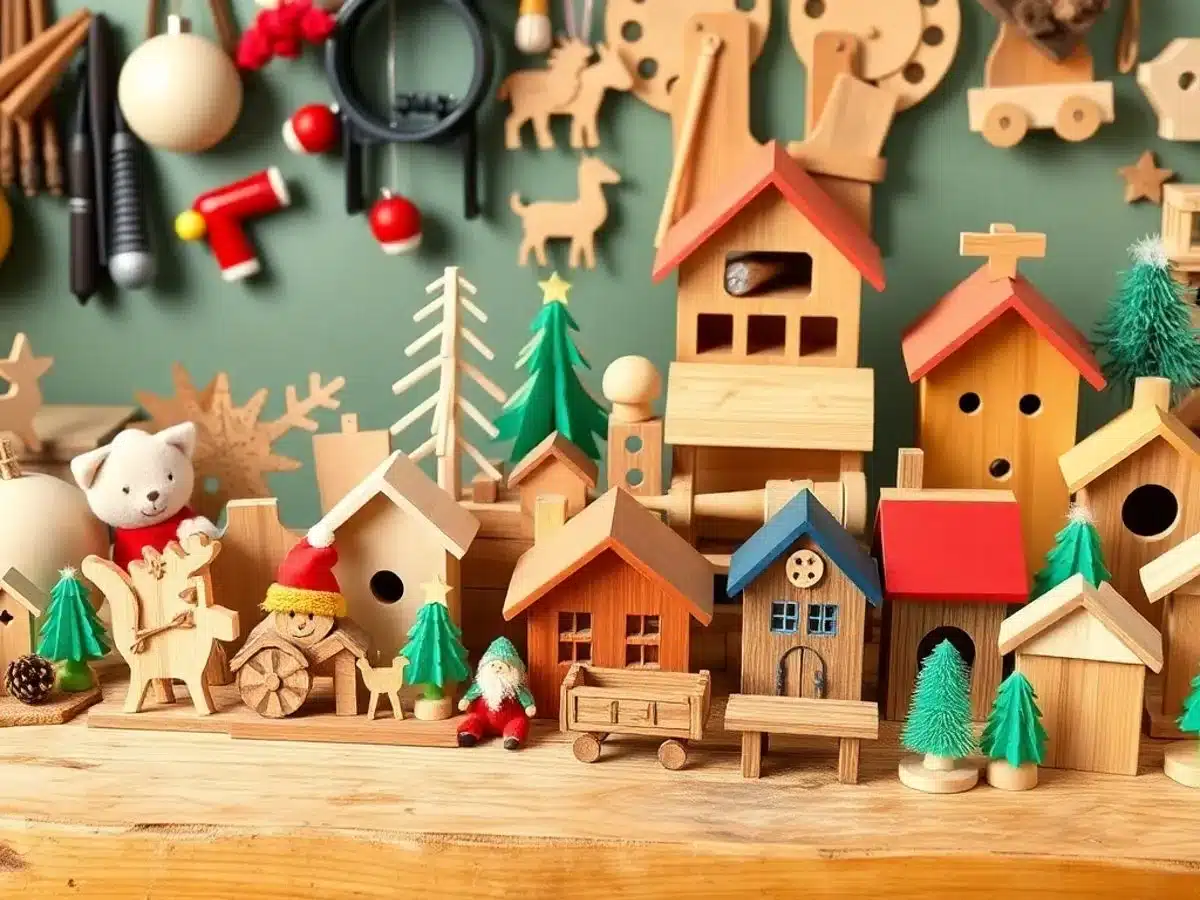
Crafting Holiday Decorations
When the holidays roll around, it’s a perfect time to dive into woodworking projects that add a personal touch to your celebrations. Creating your own decorations not only saves money but also brings a warm, personal feel to your home. Here are some ideas to get you started:
- Christmas Tree Ornaments: Crafting wooden ornaments can be a fun family activity. You can make stars, hearts, or even tiny trees. Paint them in festive colors or leave them natural for a rustic look.
- Thanksgiving Centerpieces: Use wood slices as bases for beautiful table centerpieces. Add candles, pine cones, and small pumpkins to create a cozy autumn vibe.
- Valentine’s Day Hearts: Cut out wooden hearts and paint them in shades of red and pink. These can be hung around the house or given as heartfelt gifts.
Making your own holiday decorations is about more than just aesthetics. It’s about creating memories and traditions that last a lifetime.
Designing Seasonal Home Decor
As the seasons change, so can your home decor. Woodworking allows you to craft pieces that reflect the beauty of each season, making your home feel fresh and inviting all year round.
- Spring Flower Boxes: Build small wooden boxes to hold fresh flowers or potted plants. They bring a touch of spring indoors and can be easily updated with seasonal blooms.
- Summer Welcome Signs: Create a cheerful welcome sign for your front door. Use bright colors and fun designs to capture the essence of summer.
- Autumn Leaf Art: Carve or paint wooden leaves and arrange them into a wall display. This can be a striking focal point in your living room or hallway.
Creating Themed Wooden Gifts
Wooden gifts are thoughtful and can be customized for any occasion. Whether it’s a birthday, anniversary, or holiday, a handmade wooden gift shows you care.
- Personalized Coasters: Cut and sand small wooden discs, then engrave them with initials or a special date. These make great gifts for weddings or housewarmings.
- Toy Blocks for Kids: For a child’s birthday, consider making a set of wooden blocks. You can paint them in bright colors or leave them natural for a classic look.
- Keepsake Boxes: Craft a small wooden box with a hinged lid. These boxes can be used to store jewelry, letters, or other cherished items.
When you give a handmade gift, you’re not just giving an object, but a piece of your time and effort, which is truly priceless.
For more easy woodworking projects designed for beginners, check out this collection that includes free plans to simplify your crafting journey.
Woodworking Projects for Kids and Families
Building Simple Toys
Creating toys from wood is a fantastic way to engage kids and introduce them to the joys of woodworking. Wooden toys are not only durable but also timeless, sparking creativity and imagination in children. Here are a few simple toy ideas you can try:
- Wooden Blocks: Start with basic shapes like cubes and rectangles. Sand down the edges to make them safe for little hands.
- Pull-Along Animals: Cut out animal shapes from a wooden board, attach wheels, and add a string for pulling.
- Toy Cars: Craft small cars using a block of wood, adding wheels and painting them with bright colors.
These projects are perfect for beginners and allow kids to see the fruits of their labor quickly.
Creating Educational Games
Woodworking can also be educational. By making games, you can teach kids valuable skills while having fun. Consider these ideas:
- Tic-Tac-Toe Board: Use a wooden board and some paint to create a reusable tic-tac-toe game.
- Puzzle Pieces: Cut out simple shapes from a wooden sheet and let kids paint and assemble them.
- Math Counting Board: Create a board with numbered slots and wooden pegs to help kids learn counting and basic math.
These games are not only fun but also help develop problem-solving skills and hand-eye coordination.
Crafting Family-Friendly Decor
Involve the whole family in creating decor that everyone can enjoy. Here are some ideas:
- Photo Frames: Let kids decorate simple wooden frames with paint or stickers.
- Wall Hooks: Create custom wall hooks with unique shapes and colors.
- Name Plaques: Carve out name plaques for each family member to personalize their space.
Crafting together as a family creates lasting memories and encourages teamwork. It’s a wonderful way to spend quality time while making something beautiful for your home.
By engaging in these simple woodworking projects for preschoolers, you can provide a valuable learning experience that incorporates elements of math, science, and the arts. These activities are not only fun but also educational, making them perfect for kids and families to enjoy together.
Conclusion
So there you have it: a bunch of simple woodworking projects to kickstart your creative journey. Whether you’re making a small shelf or a picture frame, each project is a chance to learn something new and have a bit of fun. Don’t worry if things don’t go perfectly the first time—it’s all part of the process. With a little patience and practice, you’ll find yourself getting better and more confident. Plus, there’s nothing quite like the satisfaction of finishing a project and seeing it come to life. So grab your tools, pick a project, and start creating. Who knows, you might just discover a new favorite hobby!
Frequently Asked Questions
What tools do I need to start woodworking as a beginner?
To start woodworking, you’ll need some basic tools like a saw, hammer, screwdriver, measuring tape, and sandpaper. As you get more into it, you might want to add a power drill and a sander to your collection.
What type of wood is best for beginners?
For beginners, softwoods like pine and cedar are great choices. They’re easier to work with and less expensive. As you gain experience, you can explore harder woods like oak and maple.
How can I ensure safety while woodworking?
Always wear safety gear like goggles and gloves. Make sure your workspace is clean and organized. Read the manual for any power tools you use, and follow all safety instructions.
Can kids participate in woodworking projects?
Yes, kids can join in on simple woodworking projects with adult supervision. Projects like making a birdhouse or a simple picture frame can be fun and educational for them.
What are some easy woodworking projects for beginners?
Some easy projects to start with include building a bookshelf, making a picture frame, or creating a birdhouse. These projects help you learn basic skills like measuring, cutting, and assembling.
How do I finish and protect my woodworking projects?
To finish your project, you can sand it smooth and apply a finish like varnish or paint. This not only makes it look nice but also protects the wood from damage.