DIYbrico | Discover, Create, Inspire

Innovative Woodworking Projects to Elevate Your Craft in 2025
Discover innovative woodworking projects for 2025 to enhance your craft and creativity. Explore sustainable practices.

Innovative Woodworking Projects in 2025 is not just about making things; it’s about making things that matter. From using old wood to trying out the latest tech, a lot is happening in the world of woodworking. Whether you’re a newbie or a seasoned pro, there’s always something new to learn and try. This article dives into some cool woodworking projects that can really step up your game and maybe even make you a bit of money.
Key Takeaways
- Sustainable practices in woodworking are trending, like using reclaimed wood.
- Traditional joinery is still popular, but new techniques are emerging.
- Woodworking can be both functional and stylish, perfect for home decor.
- Technology like CNC machines and 3D printing is changing the woodworking game.
- Starting a woodworking business requires understanding market trends and pricing.
Innovative Woodworking Projects – Exploring Sustainable Woodworking Practices
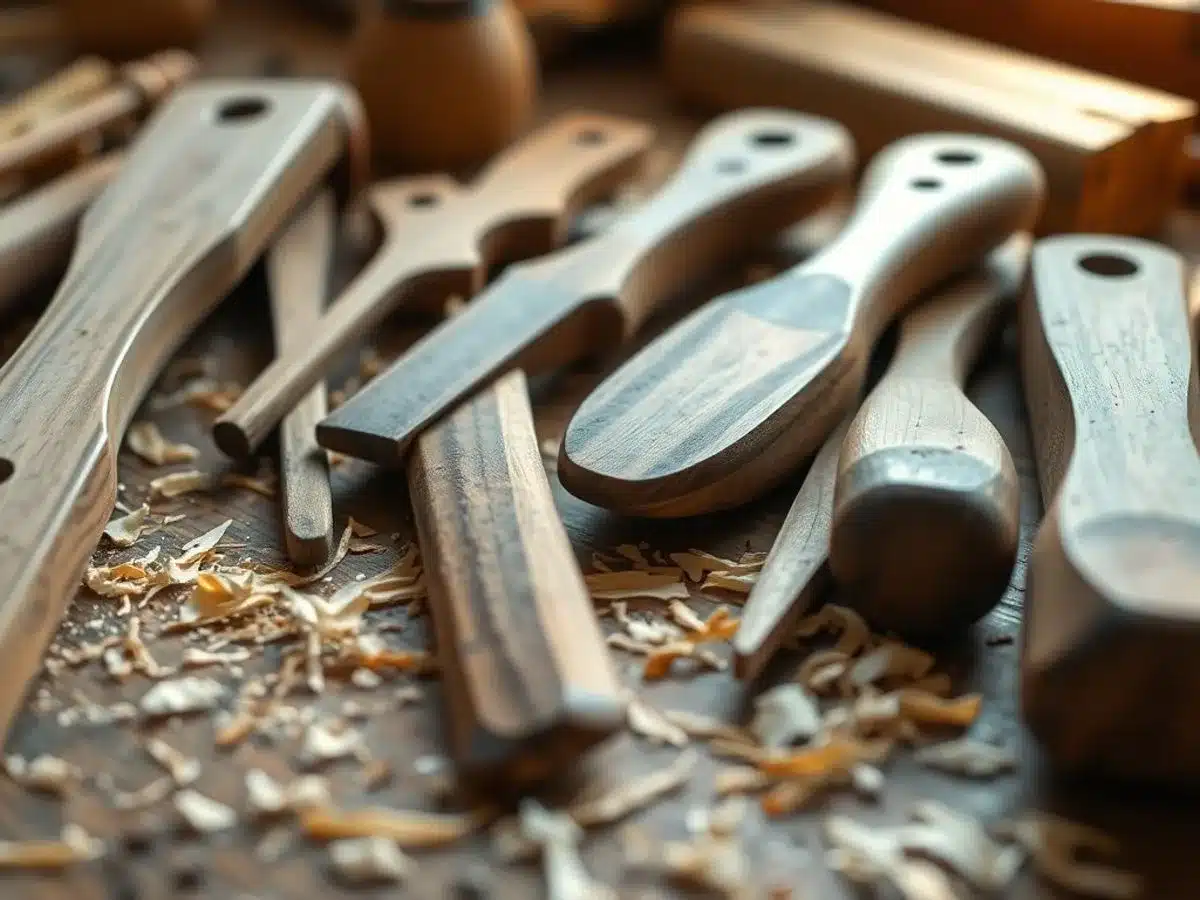
Using Reclaimed Wood for Projects
Reclaimed wood is more than just a trend; it’s a movement toward sustainability. By using wood that would otherwise be discarded, you not only reduce waste but also add a unique character to your projects. Each piece of reclaimed wood tells its own story, with its knots and grain patterns offering a rustic charm that new wood simply can’t replicate. When working with reclaimed wood, it’s important to inspect each piece for nails and other debris, as these can damage tools and affect the final product.
- Benefits of Reclaimed Wood:
- Reduces landfill waste
- Offers unique aesthetic qualities
- Often more cost-effective than new wood
Eco-Friendly Finishing Techniques
Traditional wood finishes can be harmful to the environment, releasing volatile organic compounds (VOCs) into the air. To combat this, many woodworkers are turning to eco-friendly finishing techniques. Options like water-based varnishes, natural oils, and waxes are not only better for the planet but also safer for the woodworker. These finishes provide a beautiful sheen while ensuring that the indoor air quality is not compromised.
- Water-Based Varnishes: These are low in VOCs and provide a clear finish that protects the wood.
- Natural Oils: Linseed and tung oils penetrate deep into the wood, enhancing its natural beauty.
- Beeswax: Offers a soft, natural finish and is great for surfaces that don’t require heavy-duty protection.
Incorporating Natural Elements
Incorporating natural elements into your woodworking projects can bring a touch of the outdoors inside. Think about using branches, stones, or even dried flowers to accent your pieces. This not only adds visual interest but also connects your work to the natural world. By embracing natural materials, you can create pieces that are both beautiful and environmentally friendly.
Sustainable woodworking is not just a practice; it’s a philosophy. By choosing materials and techniques that respect the environment, we can create beautiful, lasting pieces that tread lightly on the earth.
With the growing demand for sustainable timber in construction, embracing these practices can also align your projects with broader environmental trends. As more builders and consumers seek eco-friendly solutions, sustainable woodworking is set to become a key player in the market.
Mastering the Art of Wood Joinery
Traditional Joinery Techniques
Wood joinery is like the backbone of any woodworking project. Without a strong joint, even the most beautiful piece can fall apart. Traditional joinery techniques have been around for centuries, and they’ve stood the test of time for a reason. These methods often don’t require nails or screws, relying instead on the wood’s natural properties to hold pieces together. Some of the most common traditional joints include:
- Mortise and Tenon: This is one of the oldest and strongest joints. It involves inserting a tenon into a mortise hole, creating a solid connection.
- Dovetail: Known for its interlocking fingers, this joint is often used in drawer construction for its strength and aesthetic appeal.
- Lap Joints: Simple yet effective, lap joints involve overlapping two pieces of wood and fastening them together.
These traditional techniques are not only about strength but also about craftsmanship. They require precision and patience, making them a true test of a woodworker’s skill.
Modern Innovations in Joinery
As much as we cherish the old ways, modern innovations have brought new possibilities to woodworking. With the advent of technology, joinery has become more precise and efficient. For instance, biscuit joiners and pocket hole jigs are now common in workshops, offering quick and sturdy solutions. Here’s a look at some modern joinery methods:
- Pocket Hole Joinery: This method uses a jig to drill angled holes into one piece of wood, allowing screws to connect it to another piece easily.
- Biscuit Joinery: Small, oval-shaped biscuits are inserted into slots cut into the wood and then glued to create a strong bond.
- Domino Joinery: Similar to biscuit joinery but using a domino-shaped tenon, this method provides excellent alignment and strength.
These innovations make joinery more accessible and often quicker, allowing woodworkers to focus more on design and creativity.
Choosing the Right Joint for Your Project
Choosing the right joint is crucial for the success of your project. It’s not just about strength but also about aesthetics and functionality. Here are some factors to consider when selecting a joint:
- Strength Requirements: Consider what your piece will be used for. A table might need a different joint than a picture frame.
- Aesthetic Appeal: Some joints, like dovetails, are very visible and can add to the beauty of a piece.
- Skill Level: Some joints are more complex and require a higher skill level. Be honest about your abilities and practice as needed.
Remember, the right joint can make or break your project. Take the time to plan and choose wisely, ensuring that your piece is not only beautiful but also built to last.
For more detailed tips and tutorials on woodworking techniques, including joinery methods, check out the resources available at Rivers Joinery. They offer a wealth of information to help enhance your woodworking skills.
Creating Functional and Stylish Home Decor
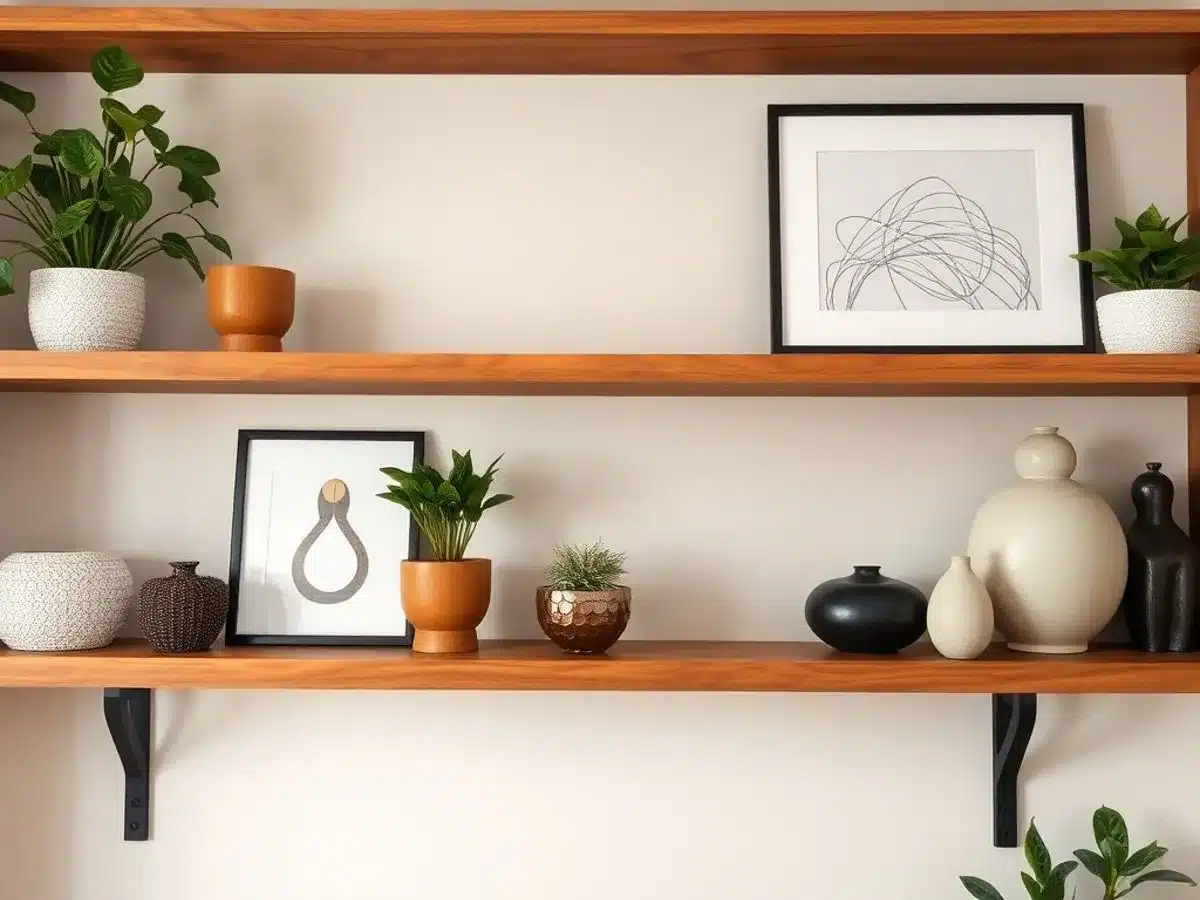
Designing Custom Shelving Units
Creating custom shelving units is a fantastic way to add both style and storage to any room. Whether you’re looking to tidy up the kitchen or display your favorite books in the living room, handcrafted shelves can do the trick. The beauty of custom shelves is their adaptability to any space. You can tailor them to fit awkward corners or stretch them across an entire wall. Consider using reclaimed wood for a rustic feel, or opt for sleek, modern designs with metal brackets for a contemporary look.
Key Steps to Designing Shelves:
- Measure Your Space: Start by measuring the area where you want to install the shelves. Consider both the height and width to ensure a perfect fit.
- Choose Your Materials: Decide on the type of wood and any additional materials like brackets or supports.
- Plan the Layout: Sketch out your design, including the number of shelves and their spacing.
- Build and Install: Cut your materials to size, assemble the shelves, and securely mount them to the wall.
Crafting Unique Wooden Wall Art
Wooden wall art offers a unique way to personalize your home decor. From abstract designs to intricate carvings, the possibilities are endless. A popular choice is creating wooden wall clocks that not only tell time but also serve as a statement piece in your decor. You can also experiment with different wood stains and paint to match your existing color scheme.
Ideas for Wooden Wall Art:
- Geometric Patterns: Use different wood tones to create striking geometric designs.
- Nature-Inspired Pieces: Incorporate elements like leaves or branches for a natural touch.
- Personalized Signs: Craft signs with family names or inspirational quotes.
Building Multi-Functional Furniture
Multi-functional furniture is all the rage these days. Pieces that serve more than one purpose are perfect for maximizing space, especially in smaller homes. Think of coffee tables that double as storage units or benches that open up to reveal hidden compartments.
Tips for Multi-Functional Furniture:
- Identify Needs: Determine what functions you need the furniture to serve, such as storage, seating, or workspace.
- Select Durable Materials: Choose sturdy materials that can withstand daily use.
- Incorporate Flexibility: Design pieces that can be easily moved or reconfigured to suit different needs.
Crafting your own home decor pieces not only allows you to express your creativity but also ensures each item is perfectly suited to your space. Embrace the challenge and enjoy the process of making your home uniquely yours.
Innovative Uses of Technology in Woodworking
CNC Machines in Modern Woodworking
CNC machines, or Computer Numerical Control machines, have completely changed the way woodworkers approach their craft. These machines allow for precise and complex cuts that would be nearly impossible to achieve by hand. The beauty of CNC machines lies in their ability to execute intricate designs with minimal waste and maximum accuracy. Woodworkers can now experiment with bold and intricate patterns, knowing that their CNC machine will deliver consistent results every time. This technology not only saves time but also opens up new creative possibilities, allowing for innovative and custom configurations that can be both functional and decorative.
Laser Cutting and Engraving
Laser cutting and engraving bring a whole new level of detail to woodworking projects. Whether you’re looking to add fine details to a piece of furniture or create custom wall panels, laser technology can achieve precision that traditional methods can’t match. With laser machines, woodworkers can easily create intricate shapes and patterns that would be time-consuming and difficult to replicate by hand. This technology is perfect for adding a unique touch to designs, from historic-looking furniture to modern art pieces.
3D Printing with Wood Filaments
3D printing isn’t just for plastics anymore. With the advent of wood filaments, woodworkers can now explore the possibilities of creating three-dimensional objects that maintain the look and feel of wood. This process involves using a filament that combines wood fibers with a binding agent, allowing for the creation of objects that can be sanded, stained and finished, just like traditional wood. 3D printing with wood filaments is perfect for prototyping and creating complex shapes without wasting materials. Plus, it offers a sustainable option for those looking to reduce their environmental impact in woodworking.
Embracing technology in woodworking doesn’t mean abandoning traditional skills. Instead, it enhances the craft, allowing artisans to push the boundaries of what’s possible while maintaining the essence of woodworking.
Crafting Personalized Gifts and Keepsakes
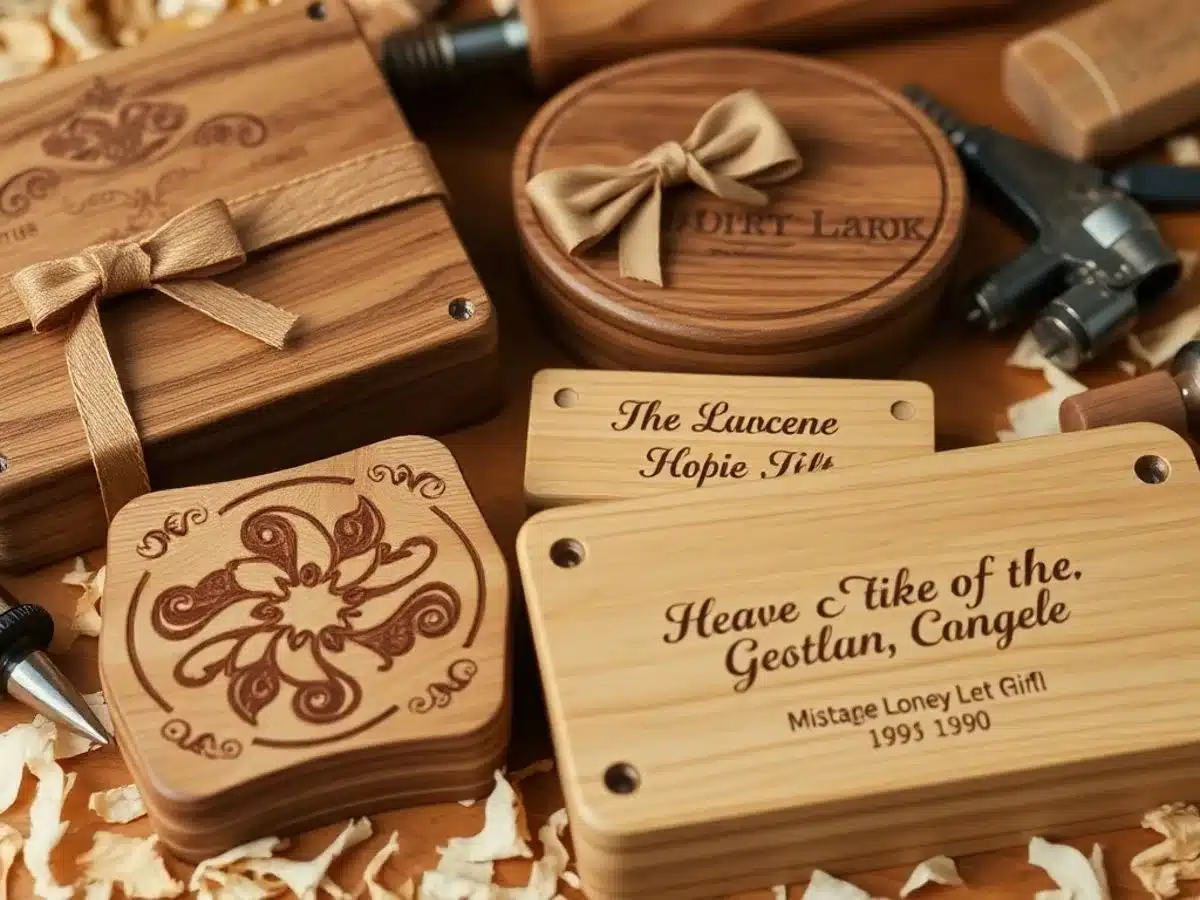
Designing Custom Wooden Jewelry
Crafting wooden jewelry is a fantastic way to create something personal and meaningful. Imagine making a pair of earrings or a necklace from a beautiful piece of cherry or maple. Each type of wood brings its own charm and character to the jewelry. Here’s a simple process to get started:
- Select your wood: Choose a type that resonates with the style you want, like cherry for a warm tone or maple for a lighter look.
- Cut and shape: Use small saws and files to cut and shape the wood into your desired design.
- Finish with care: Sand the piece to a smooth finish and apply a non-toxic sealant to protect it.
Creating Personalized Wooden Signs
Personalized wooden signs are a brilliant way to add a touch of individuality to any space. Whether it’s a family name or a favorite quote, these signs make for perfect gifts. Here’s how you can create one:
- Choose the wood: Oak or pine are great choices for durability.
- Design your sign: Sketch your design on paper first, then transfer it to the wood.
- Engrave or paint: Use a wood burner for engraving or paint for a colorful finish.
Crafting Memory Boxes and Frames
Memory boxes and frames are thoughtful gifts that hold sentimental value. They can be customized to fit any occasion, from weddings to anniversaries.
- Select the box or frame size: Decide on the dimensions based on the items you want to store or display.
- Decorate: Add personal touches like engravings or paint.
- Finish with a sealant: Protect your work with a clear sealant to ensure longevity.
Crafting personalized gifts is about more than just the finished product; it’s about the thought and care put into each piece. Whether you’re making a wooden jewelry box or a custom sign, these creations are a testament to your creativity and attention to detail.
Building Outdoor Woodworking Projects
Constructing Durable Garden Furniture
Building garden furniture that stands up to the elements is a rewarding challenge. When selecting materials, opt for weather-resistant woods like teak or cedar, which naturally repel moisture and insects. Using the right finish can make all the difference, so consider applying a sealant or outdoor varnish to enhance durability. Here’s a quick guide to get started:
- Plan Your Design: Sketch your idea, keeping in mind the space and functionality.
- Gather Materials: Choose durable wood and weather-resistant hardware.
- Cut and Assemble: Follow your design, ensuring all pieces fit snugly.
- Finish and Protect: Sand the surfaces and apply a protective finish.
This approach not only ensures longevity but also adds a personal touch to your garden.
Designing Wooden Play Structures
Creating wooden play structures can transform any backyard into a child’s wonderland. Safety is key, so use non-toxic finishes and smooth out any sharp edges. Consider these steps:
- Select Safe Materials: Use untreated, splinter-free wood.
- Incorporate Fun Features: Think slides, swings, and climbing walls.
- Ensure Stability: Secure the structure firmly to the ground.
By focusing on these elements, you can build a safe and exciting play area that encourages outdoor activity.
Creating Outdoor Decor with Wood
Enhancing your outdoor space with wooden decor is a great way to add character and charm. From simple planters to intricate sculptures, the possibilities are endless. For those interested in DIY woodworking projects, here are some ideas:
- Wooden Planters: Perfect for showcasing your favorite plants.
- Garden Benches: Provide a cozy spot to relax and enjoy your garden.
- Decorative Fences: Add privacy and style to your outdoor area.
These projects not only beautify your space but also offer a fulfilling way to express creativity in the great outdoors.
Crafting outdoor wood projects is about blending functionality with creativity, turning your backyard into a personal oasis.
Exploring Artistic Woodworking Techniques
Woodworking isn’t just about making functional items; it’s an art form that allows for endless creativity. Let’s dive into some artistic techniques that can transform a simple piece of wood into a stunning masterpiece.
Wood Carving and Sculpting
Wood carving is one of the oldest forms of woodworking art. It involves chiseling away at the wood to create intricate designs and sculptures. This technique can range from simple whittling to elaborate sculptures. Mastering the art of wood carving requires patience and precision, but the results can be breathtaking.
- Tools Needed: Chisels, gouges, and a carving knife.
- Types of Wood: Basswood, butternut, and mahogany are popular choices due to their softness and ease of carving.
- Styles: Relief carving, chip carving, and whittling are some common styles.
Pyrography: The Art of Wood Burning
Pyrography is like drawing with fire. Using a heated tool, you can burn designs into the wood’s surface, creating detailed images and patterns. This technique offers a unique way to add texture and character to your woodworking projects.
- Choose Your Wood: Light-colored woods like maple and birch work best for pyrography.
- Select Your Tools: A basic pyrography pen with interchangeable tips is essential.
- Practice: Start with simple designs before moving on to more complex patterns.
Pyrography allows for a blend of artistic expression and craftsmanship, turning ordinary wood into a canvas for creativity.
Marquetry and Inlay Techniques
Marquetry involves creating pictures or patterns by fitting together pieces of veneer. Inlay, on the other hand, involves embedding pieces of contrasting material into the wood surface. Both techniques add a layer of sophistication and elegance to woodworking projects.
- Materials: Use veneers of different colors and grains for marquetry and metals or stones for inlay.
- Tools: A sharp knife and a fret saw are key tools for these techniques.
- Applications: These techniques are often used in furniture making, adding intricate designs to tabletops and cabinetry.
Artistic woodworking is about pushing boundaries and exploring new horizons. Whether you’re carving, burning, or inlaying, the key is to let your imagination run wild and see where your creativity takes you.
Starting a Profitable Woodworking Business
Identifying Market Trends and Demands
Jumping into the woodworking business? It’s all about knowing what folks want. Trends come and go, so keeping an eye on what’s hot can give you a leg up. Think about the rise in demand for eco-friendly products or the love for rustic, handmade furniture. Dive into social media, check out Pinterest boards, and even visit craft fairs to see what’s catching people’s eyes. Understanding these trends can guide you in creating products that not only sell but thrive.
Pricing Your Woodworking Projects
Pricing can be tricky, right? You want to cover your costs and make a profit, but you also need to stay competitive. Start by listing all your expenses: materials, time, tools, and even shipping. Don’t forget to add a bit extra for your hard work. A good rule of thumb is to research what similar items are going for in the market. This way, you can set a price that’s fair to you and attractive to buyers.
Marketing and Selling Your Creations
Once you’ve got your products and prices sorted, it’s time to get them out there. Building an online presence is key. Set up a simple website or use platforms like Etsy. Social media is your friend here—post regularly, show off your projects, and engage with your audience. Craft fairs and local markets are also great for getting your name out there and connecting with customers face-to-face. Remember, each sale is an opportunity to build a relationship with a customer who might just come back for more.
Conclusion
So, there you have it, folks! Woodworking in 2025 is all about pushing boundaries and trying new things. Whether you’re crafting a sleek coffee table or a rustic picture frame, the key is to mix creativity with practicality. Remember, it’s not just about making something pretty; it’s about making something that lasts and serves a purpose. So grab your tools, get inspired, and start creating pieces that not only look good but also tell a story. Happy crafting!
Frequently Asked Questions
What is the best type of wood for beginners?
Pine is a great choice for beginners because it’s affordable and easy to work with. It also takes paint and stains well, which is perfect for learning.
How can I start woodworking on a budget?
Begin with simple projects that require few tools. You can also use reclaimed wood to save money while practicing your skills.
What safety gear do I need for woodworking?
Always wear safety glasses to protect your eyes. Using ear protection and a dust mask is also important to keep yourself safe while working.
Can I sell my woodworking projects online?
Yes, you can sell your projects on platforms like Etsy or eBay. Make sure to take good pictures and write clear descriptions to attract buyers.
How do I maintain my woodworking tools?
Regularly clean your tools and sharpen the blades to keep them in good condition. Storing them in a dry place will also prevent rust.
What are some easy projects for beginners?
Simple projects like picture frames, birdhouses, or small shelves are perfect for beginners to start with and build confidence.