DIYbrico | Discover, Create, Inspire

Creative Woodworking Projects for Teens: Engaging Activities to Inspire Young Makers
Explore engaging woodworking projects for teens to inspire creativity and skill-building in young makers.

Woodworking isn’t just for adults. Teens can dive into this creative world too, making cool stuff while learning new skills. Whether it’s a simple pencil holder or a more complex project like a skateboard ramp, there’s something for every skill level. Plus, it’s a great way to spend time and make something you can actually use. So grab some wood, a few tools, and let’s get started on some awesome woodworking projects for teens.
Key Takeaways
- Woodworking is a fun and educational activity for teens, offering a chance to create useful items.
- Starting with basic tools and safety practices is crucial for young woodworkers.
- Projects can range from simple, like a pencil holder, to more complex, like a skateboard ramp.
- Incorporating design and art into woodworking can enhance creativity and personalization.
- Working with recycled materials promotes sustainability and teaches eco-friendly practices.
Getting Started with Woodworking: Essential Tools and Safety
Understanding Basic Woodworking Tools
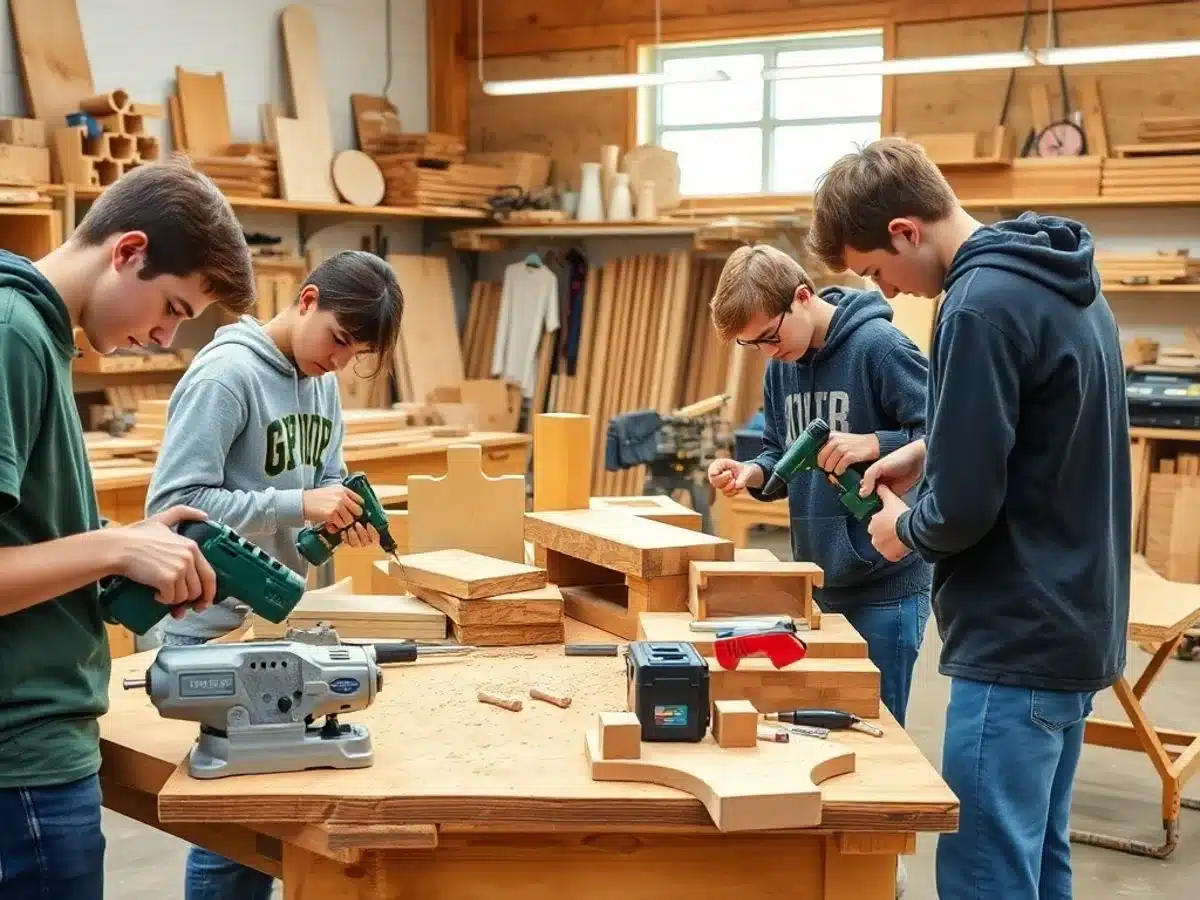
Starting with woodworking can be a bit daunting, but knowing your tools is half the battle. Here’s a quick rundown of the basics:
- Hammer: Your go-to for driving nails and assembling pieces.
- Saw: Whether it’s a hand saw or a power saw, this tool is essential for cutting wood.
- Screwdriver: A must-have for driving screws into your wood projects.
Each tool has its own unique function, and learning how to use them properly can make your woodworking experience much smoother.
Safety Tips for Young Woodworkers
Safety should always come first when working with wood. Here are some tips to keep in mind:
- Wear Safety Gear: Protect your eyes with safety glasses and use ear protection when using loud tools. For added protection, especially when using power tools like routers or table saws, consider a face shield.
- Work in a Clean Area: Keeping your workspace tidy can help prevent accidents.
- Follow Instructions: Always read the manual and follow safety guidelines for each tool.
Remember, safety isn’t just about wearing the right gear; it’s also about being aware of your surroundings and knowing your tools.
Setting Up Your First Woodworking Space
Creating a dedicated space for woodworking is crucial for staying organized and efficient. Start with these steps:
- Choose a Location: Find a spot that’s well-ventilated and has enough room for your tools and materials.
- Organize Your Tools: Keep your tools organized and within reach to make your workflow more efficient.
- Ensure Good Lighting: Proper lighting is essential for seeing your work clearly and avoiding mistakes.
Setting up a functional workspace can make your woodworking projects more enjoyable and less stressful.
Fun and Simple Woodworking Projects for Beginners
Creating a Personalized Pencil Holder
Starting with something small, a pencil holder is a great project for beginners. It’s simple, yet allows for a bit of creativity. You can use a block of wood, drill a few holes, and sand it smooth. For a personal touch, paint or carve your initials or a fun design. This project teaches basic drilling and finishing techniques, making it a perfect introduction to woodworking.
Building a Simple Birdhouse
Building a birdhouse is a classic beginner project. It’s a fun way to learn how to measure, cut, and assemble wood pieces. You’ll need a few wooden panels, some nails, and a hammer. Once assembled, you can paint it to suit your style or to match your garden. This project not only helps you practice basic woodworking skills but also contributes to your local wildlife.
Designing a Custom Picture Frame
A custom picture frame is a rewarding project that allows you to showcase your favorite photos or artwork. Start by cutting four pieces of wood to the desired length, and then join them at the corners. You can use a miter box for precise angles. Sand the edges and finish with paint or stain. This project enhances your skills in measuring, cutting, and finishing. Plus, you’ll end up with a beautiful frame to display at home.
Woodworking is not just about creating objects; it’s about learning patience and precision. These beginner projects are not only practical but also a wonderful way to express creativity.
If you’re looking for more simple woodworking projects that can be completed over a weekend, there are plenty of options to explore. Each project offers a chance to create something functional and decorative for your home. Happy woodworking!
Intermediate Woodworking Projects to Challenge Teens
Constructing a Wooden Toolbox
Building a wooden toolbox is a great way for teens to practice their woodworking skills. This project involves cutting, assembling, and finishing wood pieces to create a functional and sturdy box. Here’s a simple step-by-step guide:
- Gather Materials: You’ll need plywood, wood glue, nails, a saw, and a hammer.
- Cut the Pieces: Measure and cut the plywood into six parts – four sides, a bottom, and a lid.
- Assemble the Box: Use wood glue and nails to join the sides and bottom.
- Attach the Lid: Secure the lid with hinges, allowing it to open and close easily.
- Finish the Toolbox: Sand the edges and apply paint or varnish for a polished look.
Crafting a Stylish Bookshelf
Creating a bookshelf not only enhances your room but also gives you a chance to explore different designs. Here’s how you can make a simple yet stylish bookshelf:
- Choose Your Design: Decide on the size and number of shelves.
- Cut and Prepare the Wood: Use a saw to cut the shelves and sides from sturdy wood.
- Assemble the Shelves: Attach the shelves to the sides using screws and brackets.
- Stabilize the Structure: Add a back panel for extra support.
- Finish with Style: Paint or stain the bookshelf to match your room decor.
Making a Functional Workbench
A workbench is essential for any woodworking enthusiast. Building one yourself is both rewarding and practical. Here’s a quick guide:
- Plan Your Space: Measure the area where the workbench will be placed.
- Gather Necessary Materials: You’ll need a solid wood top, sturdy legs, screws, and a drill.
- Construct the Frame: Assemble the legs and support beams to form a stable base.
- Attach the Top: Secure the wood top to the frame with screws.
- Add Finishing Touches: Include shelves or drawers for tool storage.
Building these creative woodworking projects can be a fun and engaging way for teens to learn hands-on skills. Each project offers a unique challenge, helping young makers to grow their confidence and creativity in the workshop.
Advanced Woodworking Projects for Ambitious Teens
Designing a Unique Wooden Clock
Creating a wooden clock is a fantastic way for teens to combine creativity with technical skills. Start with selecting a design that resonates with your style—modern, rustic, or vintage. Wooden wall clocks are popular wood projects that sell well due to their unique designs and organic appeal. You’ll need a clock mechanism kit, a selection of wood pieces, and basic tools like a saw and drill. Sand the wood for a smooth finish, then carefully assemble the parts. This project not only teaches precision but also results in a functional piece of art.
Building a Custom Skateboard Ramp
For teens who love skateboarding, building a custom ramp can be both challenging and rewarding. Begin by sketching your ramp design, considering the space available and the type of tricks you want to perform. Gather plywood, screws, and metal coping for edges. Here’s a simple outline to follow:
- Cut the plywood to form the sides of the ramp.
- Attach cross beams for stability.
- Lay the top surface and secure it with screws.
- Install metal coping for smooth edges.
This project enhances problem-solving skills while creating a personal skate park at home.
Creating a Decorative Wooden Lamp
A wooden lamp can add a warm touch to any room. Choose a wood type that complements your decor, such as oak or cherry. You’ll need a lamp kit, wood glue, and a saw. Begin by cutting the wood into the desired shape—cylindrical, rectangular, or abstract. Assemble the pieces using wood glue, ensuring a stable structure. Drill a hole for the lamp cord and insert the lamp kit. A decorative wooden lamp project encourages creativity and results in a beautiful, handcrafted light source.
Advanced woodworking projects like these push the boundaries of creativity and skill, offering teens an opportunity to express themselves while crafting something truly unique.
Incorporating Art and Design into Woodworking
Painting and Decorating Your Wood Projects
Woodworking isn’t just about building; it’s about bringing your creations to life with color and style. Painting and decorating your wood projects can transform a simple piece into a work of art. Whether you’re using bright colors or subtle stains, the finish you choose will make a big difference. Here are some tips to get started:
- Choose the Right Paint: Acrylics work well for most projects, but if you’re after a rustic look, consider milk paint.
- Surface Preparation: Sand your piece thoroughly to ensure the paint adheres well.
- Seal It: A good sealant will protect your work from scratches and wear.
Exploring Wood Carving Techniques
Carving is a fantastic way to add intricate details to your woodworking projects. It might seem daunting at first, but with practice, you’ll be able to create stunning designs. Here are some basic carving techniques:
- Chip Carving: This involves removing small chips of wood to create patterns.
- Relief Carving: In this technique, you carve figures into a flat panel of wood.
- Whittling: A classic form of carving using a simple knife.
Using Stencils and Patterns for Design
Stencils and patterns can help you achieve professional-looking designs without needing to be an artist. They’re great for adding consistent details across multiple projects. Here’s how to use them effectively:
- Select Your Stencil: Choose a design that complements your project.
- Secure It: Use painter’s tape to hold the stencil in place while you work.
- Apply Evenly: Whether you’re using paint or a wood burner, apply the medium evenly for the best results.
Integrating art and design into woodworking not only enhances the visual appeal but also adds a personal touch to each creation. It’s a chance to express your individuality and make something truly unique.
For more inspiration, explore innovative woodworking projects that blend creativity with craftsmanship.
Woodworking for Practical Use: Projects for Everyday Life

Making a Handy Kitchen Organizer
Transforming a cluttered kitchen into an organized haven can be as simple as crafting your own kitchen organizer. Imagine having a specific spot for every spice jar, utensil, and gadget. Start with a basic wooden frame and add compartments tailored to your needs. Use dividers for spices, hooks for utensils, and shelves for small appliances. This project not only helps in keeping your kitchen tidy but also adds a personal touch to your cooking space.
Building a Sturdy Shoe Rack
Shoes scattered all over the hallway? It’s time to build a shoe rack that can handle the chaos. Measure the space where you want the rack to fit, then cut your wooden planks to size. Assemble them with screws, ensuring stability. You might want to add a coat of paint or varnish to match your home decor. This simple yet effective project keeps shoes in line and makes your entryway look neat.
Crafting a Versatile Storage Box
A storage box is a versatile piece of furniture that can be used in any room. Whether you need extra space for toys, blankets, or tools, a custom-made box can be the solution. Choose durable wood like oak or pine, and design a box with a lid for easy access. You can even add wheels for mobility or decorative handles for a stylish touch. This project is perfect for those who need a practical yet creative woodworking challenge.
Woodworking projects for everyday use not only enhance the functionality of your living space but also provide a rewarding experience as you see your creations come to life. Embrace the challenge and enjoy the process of making something both beautiful and useful.
Collaborative Woodworking Projects for Teens and Adults
Building a Garden Bench Together
Building a garden bench is a fantastic way to bond while creating something useful. This project allows both teens and adults to learn and apply woodworking skills together. Start by choosing a simple design that suits your garden’s style. Gather materials like treated wood, screws, and waterproof varnish. Here’s a simple process to follow:
- Measure and cut the wood pieces according to your chosen design.
- Assemble the bench frame using screws and a drill.
- Sand the surfaces to ensure smoothness.
- Apply a coat of varnish to protect the wood from the elements.
- Let it dry, then place it in your garden and enjoy!
Creating a Family Dining Table
Crafting a dining table might seem daunting, but it’s a rewarding project for families. Choose hardwood for durability and a design that fits your dining space. The process involves:
- Cutting the tabletop and legs to size.
- Assembling the frame and attaching the legs.
- Sanding the entire surface for a smooth finish.
- Applying a stain or paint for the desired look.
- Sealing with a protective finish to ensure longevity.
This project not only results in a functional piece of furniture but also provides a great opportunity for teamwork.
Designing a Community Art Installation
For those looking to make a larger impact, designing a community art installation can be incredibly fulfilling. This project encourages creativity and collaboration across different age groups. Consider these steps:
- Brainstorm ideas that reflect the community’s culture or values.
- Gather recycled wood and other materials to keep costs low.
- Divide tasks among participants based on skill level and interest.
- Assemble the installation in a public space, ensuring it’s safe and secure.
- Host a small unveiling event to celebrate the collaborative effort.
Working on a community art installation not only beautifies a shared space but also strengthens community bonds. It’s a creative journey that everyone can take pride in, knowing they’ve contributed to something meaningful.
Sustainable Woodworking: Using Recycled Materials
Finding and Preparing Recycled Wood
Getting your hands on recycled wood can be a bit of a treasure hunt, but it’s worth the effort. Start by checking out local salvage yards or online marketplaces. Sometimes, old furniture or pallets can be a goldmine for usable wood. When preparing recycled wood, always inspect for nails or screws and sand it down to remove any rough edges.
Creating Projects from Pallets
Pallets are a fantastic resource for woodworking projects. They’re often free and offer a rustic charm that’s hard to beat. To get started, take apart the pallet carefully, using a crowbar or a hammer. Here’s a quick list of what you can make:
- A simple coffee table
- A vertical garden planter
- Wall-mounted shelves
Incorporating Eco-Friendly Finishes
Once your project is built, finishing it with eco-friendly products is the way to go. Look for water-based stains and sealants that are low in VOCs (volatile organic compounds). These finishes are not only better for the environment but also safer for your home. Remember, the final touch can make or break the look of your project, so choose wisely.
Working with recycled materials isn’t just about saving money; it’s about creating something unique and sustainable. Each piece of wood has its own story, adding character and history to your project.
For more creative ideas, you might want to explore 10 unique and fun paper craft ideas that can complement your woodworking projects.
Wrapping It Up
So there you have it, a bunch of cool woodworking projects perfect for teens. Whether they’re making a simple birdhouse or diving into something more complex, like a small table, these activities are a great way to get creative and learn new skills. Plus, it’s a fun way to spend time, maybe even with family or friends. Who knows, this could be the start of a lifelong hobby or even a career in carpentry. So grab some wood, pick up those tools, and let the creativity flow. Happy building!
Frequently Asked Questions
What tools do I need to start woodworking?
To start woodworking, you’ll need some basic tools like a hammer, saw screwdriver, measuring tape, and sandpaper. As you get more into it, you might want to add power tools like a drill.
Is woodworking safe for teenagers?
Yes, woodworking can be safe for teenagers if they follow safety rules. Always wear safety goggles, keep your workspace tidy, and never rush through a project.
What is an easy project to start with?
A simple project to start with is a personalized pencil holder. It’s easy to make and helps you get comfortable with basic tools.
How can I make my woodworking projects more creative?
You can make your projects more creative by painting them, adding decorations, or using stencils to create designs. Let your imagination guide you!
Where can I find materials for woodworking?
You can find materials at local hardware stores or use recycled wood from old furniture. Just make sure the wood is safe to use.
Can I work on projects with my family?
Yes, woodworking is a great way to spend time with family. You can work on projects together, like building a garden bench or a dining table.