DIYbrico | Discover, Create, Inspire

Creative Crochet Animals: Fun Patterns and Tips for Every Skill Level

Table of Contents
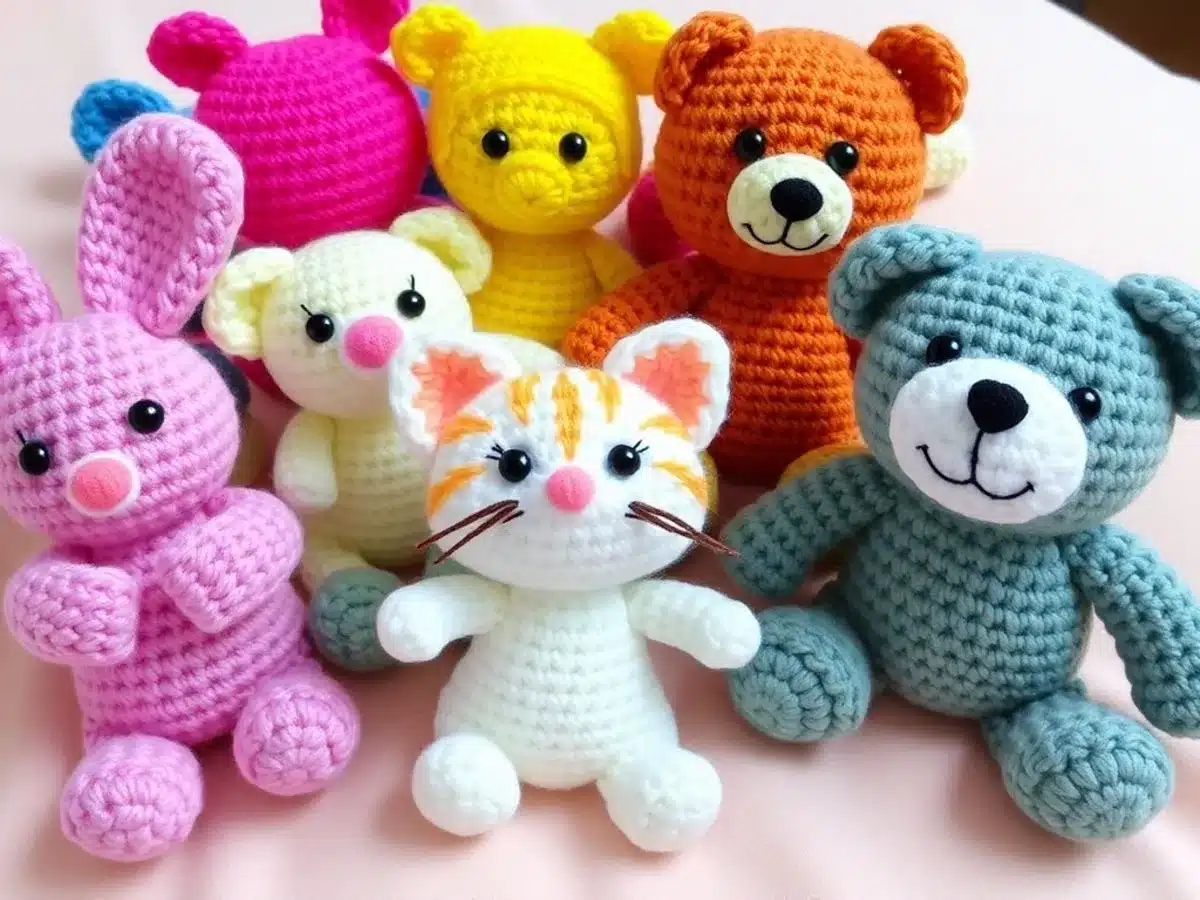
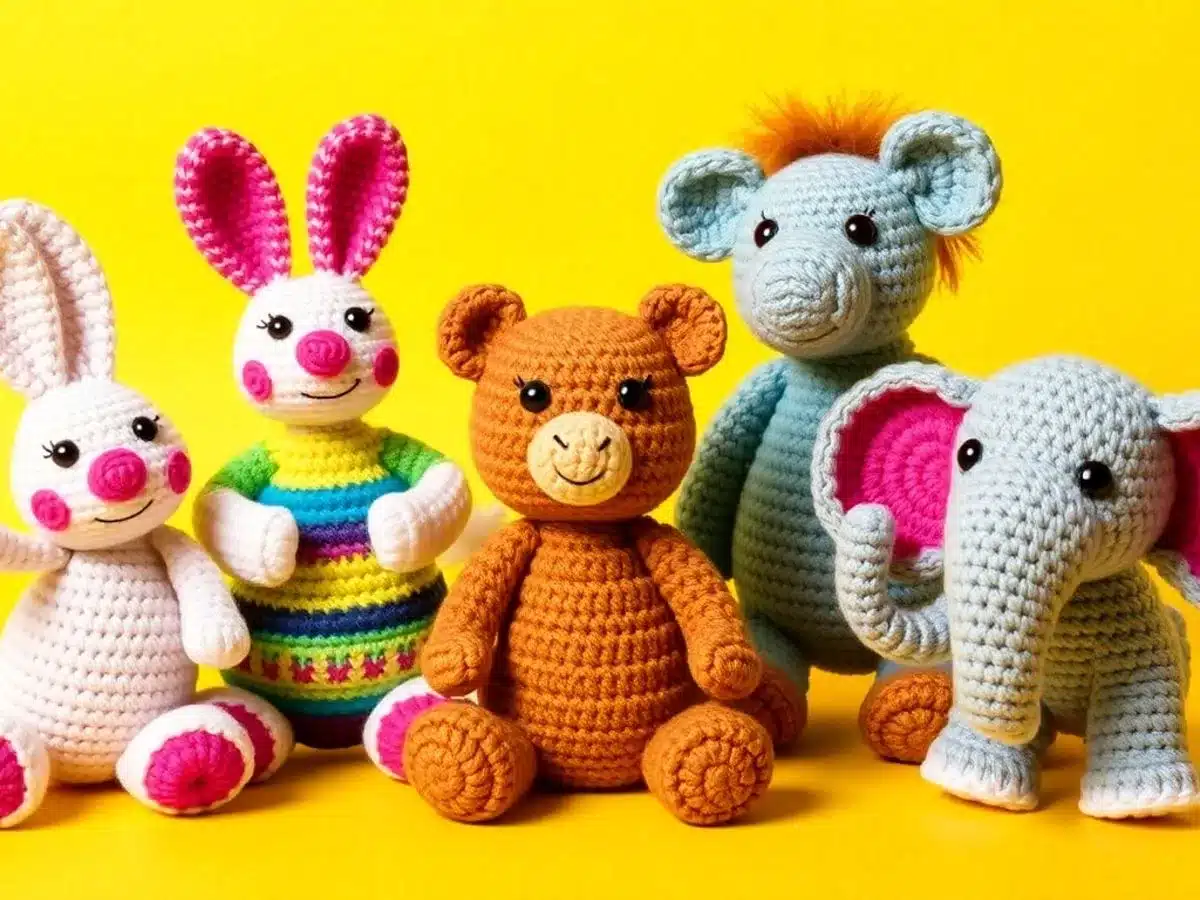
Crochet animals, often called amigurumi, are a delightful way to bring yarn to life. Whether you’re just starting out or have been crocheting for years, there’s always a new pattern or technique to try. From simple stuffed toys to intricate designs, crochet animals offer something for everyone. This guide will walk you through various patterns and tips, making it easy to find projects that suit your skill level.
Key Takeaways
- Crochet animals, or amigurumi, are great for all skill levels.
- Choosing the right yarn and hook is crucial for successful projects.
- Basic stitches form the foundation for creating crochet animals.
- Intermediate projects often involve new stitches and techniques.
- Advanced crochet animals can include poseable limbs and mixed media.
Exploring the World of Crochet Animals
Understanding Amigurumi
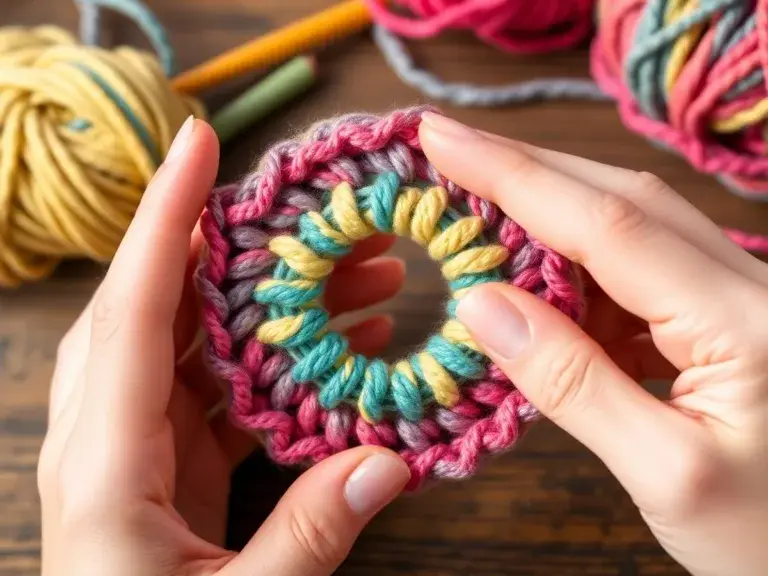
Amigurumi is a Japanese art form that has captured the hearts of crafters worldwide. It’s all about creating small, stuffed yarn creatures using crochet techniques. The magic of amigurumi lies in its simplicity and charm. Most amigurumi projects start with a magic ring, which is a technique that helps you begin crocheting in the round, forming the base of your creature. This method is essential for making seamless, round shapes, which is why it’s so popular in crafting crochet animals.
Choosing the Right Yarn and Hook
Selecting the right yarn and hook is crucial for any crochet project. For crochet animals, you’ll want a yarn that’s soft yet durable. Cotton yarn is a popular choice because it holds its shape well and is easy to wash. However, if you’re aiming for a fluffier look, consider using acrylic or wool blends. The hook size depends on your yarn choice; typically, a smaller hook is used to create tighter stitches, ensuring the stuffing doesn’t peek through. A good rule of thumb is to use a hook that is one or two sizes smaller than what the yarn label suggests.
Basic Stitches for Crochet Animals
To get started with crochet animals, you need to master a few basic stitches. The single crochet stitch is the foundation of most amigurumi patterns. You’ll also need to know how to increase and decrease stitches to shape your animal. Working in rounds is another essential skill, as most crochet animals are crafted in a continuous spiral. This technique helps create smooth, seamless pieces without visible seams. With these skills, you’re well on your way to creating adorable crochet creatures.
Beginner-Friendly Crochet Animal Patterns
Simple Patterns to Start With
Getting started with crochet animals can be a breeze if you pick the right patterns. Think about animals like fish or chibi-style cats—they have fewer limbs and details, which makes them ideal for beginners. You might want to try the itty-bitty kitty or a simple rectangle bunny. These projects are not only easy but also quick to finish. Plus, they give you that instant gratification of completing a cute little creature!
Tips for Crocheting Your First Animal
- Start Small: Begin with tiny projects. They’re less overwhelming and quicker to finish.
- Follow Instructions Carefully: Pay attention to the details in the pattern. Missing a step can lead to frustration.
- Use the Right Tools: Make sure you have the right size hook and yarn for your pattern. This ensures your stitches are tight enough to hold the stuffing.
Common Mistakes to Avoid
- Skipping the Gauge Swatch: It might seem unnecessary, but checking your gauge can save you from ending up with a too-big or too-small animal.
- Ignoring the Yarn Type: Different yarns behave differently. Stick to the recommended yarn to avoid surprises.
- Overstuffing: It’s tempting to make your animal extra plush, but overstuffing can stretch the stitches and ruin the look.
Remember, every crochet project is a learning experience. Don’t stress over mistakes; they’re just part of the journey. Keep practicing, and soon you’ll be creating adorable animals with ease!
Intermediate Crochet Animal Projects
Exploring New Stitches
Once you’ve got the basics down, it’s time to explore some new stitches that can add flair to your crochet animals. Incorporating stitches like the moss stitch or the bobble stitch can really change the texture and appearance of your creations. These stitches aren’t just about looks; they can also add durability and structure to your projects. Here are a few stitches to try out:
- Moss Stitch: This stitch is great for adding a woven appearance to your crochet animals. It’s simple yet effective.
- Bobble Stitch: Perfect for creating raised, 3D elements on your animals, like noses or paws.
- Front Loop and Back Loop Stitches (FLO/BLO): These stitches can create ribbed textures, adding depth and interest.
Adding Details and Features
Adding details can bring your crochet animals to life. Think about how you can use embroidery to add eyes, noses, or even little freckles. You can also experiment with using different yarns or threads to add textures. Here are some ideas:
- Embroidering Faces: Use embroidery floss to add facial features. This allows for a lot of customization and expression.
- Using Beads and Buttons: Small beads can make perfect eyes, and buttons can be used for joints or decorations.
- Incorporating Fabric: Adding small pieces of fabric, like felt, can enhance the texture and detail of your crochet animal.
Working with Color Changes
Changing colors in your crochet projects can be daunting at first, but it’s a skill worth mastering. Color changes can add stripes, spots, or even entire sections of different colors to your animals. Here are some tips:
- Plan Your Colors: Before you start, plan where each color will go. This helps to avoid any mid-project confusion.
- Practice Your Technique: Try out color changes on a small swatch before incorporating them into a larger project.
- Use a Tapestry Needle: When changing colors, a tapestry needle can help weave in the ends neatly, keeping your project tidy.
With these intermediate techniques, your crochet animals will not only look more professional but will also be more personalized. Don’t be afraid to experiment and make each project your own.
For more inspiration and patterns, check out our collection of crochet animal projects that cater to all skill levels.
Advanced Techniques for Crochet Animals
Mastering Complex Patterns
If you’re ready to push your crochet skills to the next level, mastering complex patterns is a must. These patterns often involve intricate stitch combinations and require a keen eye for detail. Start by selecting a pattern that challenges you but isn’t overwhelming. Take it one step at a time and don’t hesitate to ask for help from crochet communities if you get stuck.
Incorporating Mixed Media
Adding mixed media elements to your crochet animals can really make them stand out. Think about using beads for eyes or embroidery for facial features. You can even incorporate fabric or felt for clothing or wings. This not only adds texture but also brings a new dimension to your creations.
Creating Poseable Limbs
Poseable limbs can bring your crochet animals to life. To achieve this, you can use wire or pipe cleaners inside the limbs before stuffing them. This technique allows the limbs to bend and hold positions, making your crochet animals more interactive and fun to play with.
Tip: When working with wire, always ensure the ends are securely tucked away to avoid any sharp edges. This will keep your creations safe, especially for children.
Explore a variety of adorable animal-themed amigurumi crochet projects suitable for all skill levels, from beginners to advanced. Get inspired for your next handmade creation!
Creative Ideas for Customizing Crochet Animals
Personalizing with Colors and Textures
When it comes to personalizing your crochet animals, color is your best friend. Choosing the right color palette can bring your creations to life. You can opt for realistic shades or go wild with vibrant, unexpected hues. Think about using variegated yarns to add a unique twist without much extra effort. Textures also play a huge role. Try mixing different yarn types—like pairing fluffy yarn with smooth cotton—to create a tactile experience.
Adding Accessories and Clothing
Accessories can transform a simple crochet animal into a character with personality. Consider adding small hats, scarves, or even tiny backpacks to your creations. You can even crochet a little outfit to match the season or occasion. Here’s a quick list of accessories you might consider:
- Mini hats or beanies
- Scarves or bandanas
- Tiny backpacks or purses
These little touches make your crochet animals not only adorable but also relatable.
Designing Your Own Patterns
Designing your own crochet patterns might sound daunting, but it’s a rewarding process. Start by sketching your idea on paper. Think about the basic shapes you need and how they will fit together. Once you have a plan, begin crocheting a prototype. Don’t be afraid to unravel and redo parts that don’t look right. Over time, you’ll develop a knack for creating unique and adorable animal-themed amigurumi crochet projects that reflect your personal style.
Customizing crochet animals is all about creativity and experimentation. Don’t be afraid to try new things and see where your imagination takes you!
Tips for Perfecting Your Crochet Animal Skills
Improving Stitch Consistency
Getting your stitches consistent is like finding the rhythm in a song. It’s all about practice and patience. Start by making sure your yarn tension is even. This means holding your yarn and hook in a way that feels comfortable and natural. If your stitches are too tight, they might make your crochet animal stiff; too loose, and your work could look sloppy.
- Use a yarn guide: This tool can help maintain even tension.
- Practice with swatches: Make small squares to practice getting your tension right.
- Relax your hands: Tension in your hands can affect your stitch tension.
Understanding Pattern Instructions
Reading crochet patterns can be like deciphering a secret code, but once you get the hang of it, it’s a breeze. Patterns often use abbreviations and symbols, so familiarize yourself with these. It’s like learning a new language, but once you know it, you’ll be able to tackle any pattern.
- Common abbreviations: sc (single crochet), dc (double crochet), ch (chain)
- Pattern repeats: Look for sections within brackets or asterisks indicating repeats.
- Gauge swatches: These help ensure your finished size matches the pattern.
Troubleshooting Common Issues
Even seasoned crocheters hit snags. Common problems include uneven edges, holes in your work, or miscounted stitches. Here’s how to tackle them:
- Uneven edges: Check your stitch count at the end of each row or round.
- Holes in your work: These can happen if you miss stitches or use the wrong tension.
- Miscounted stitches: Use stitch markers to keep track of your progress.
Crocheting is a journey, not a race. Each project teaches you something new, so embrace the learning process and enjoy creating your crochet animals!
Showcasing Your Crochet Animal Creations
Photography Tips for Crochet Projects
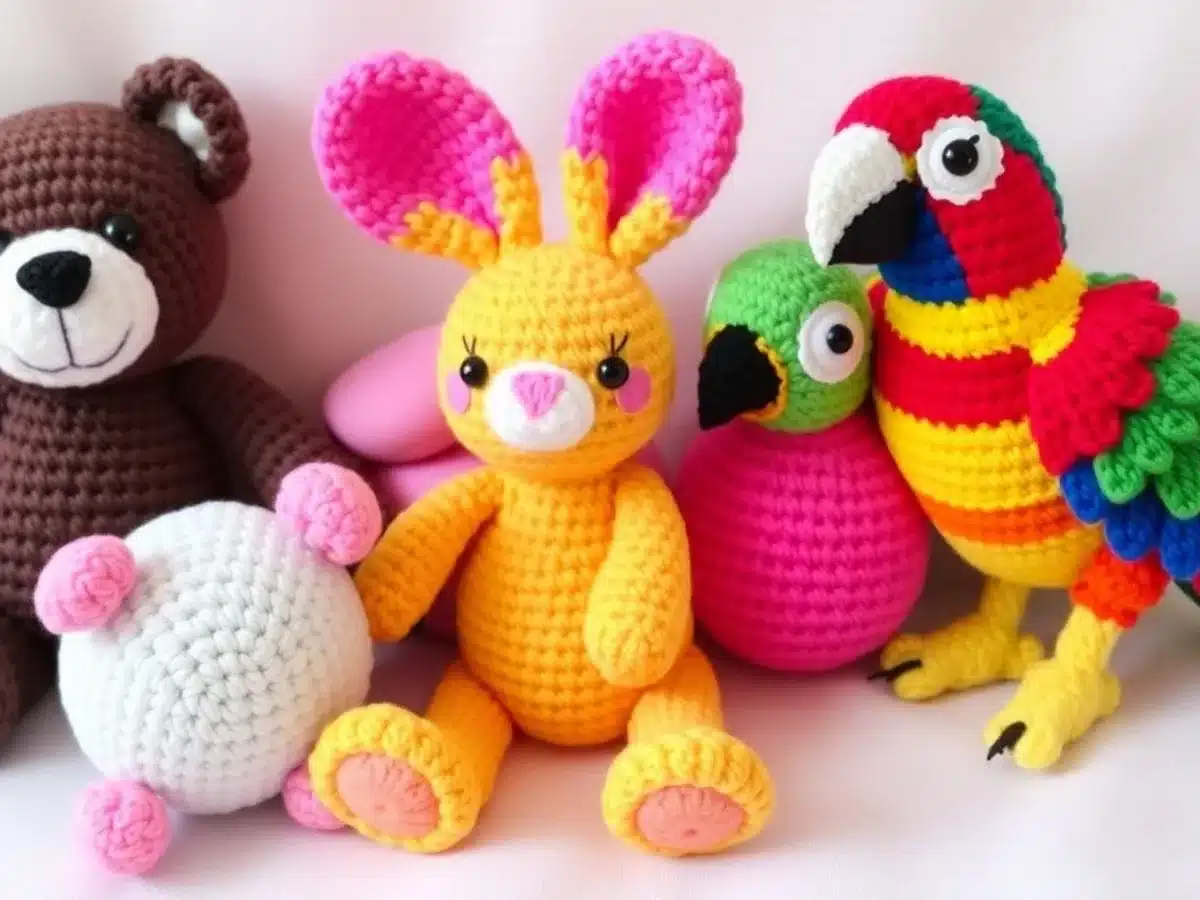
Capturing the charm of your crochet animals can be as rewarding as making them. To start, make sure you have good lighting. Natural light is ideal, but if you’re shooting indoors, use a soft white bulb to mimic daylight. Position your crochet animals on a simple background to make them stand out. A plain white or pastel sheet works wonders. Experiment with different angles to highlight unique features like eyes or textures. Don’t forget to use the macro mode on your camera for those close-up shots.
Sharing on Social Media
Social media is a fantastic platform to share your crochet creations. Platforms like Instagram and Pinterest are particularly popular for visual crafts. When posting, use relevant hashtags to reach a broader audience, such as #CrochetAnimals or #HandmadeToys. Engage with the crochet community by commenting on and liking others’ work. This not only boosts your visibility but also helps you connect with fellow enthusiasts.
Participating in Crochet Communities
Joining crochet communities, both online and offline, can be incredibly beneficial. Online forums and Facebook groups are great places to share your work, ask for advice, and find inspiration. Consider joining a local crochet club if you prefer face-to-face interactions. These communities often host events like crochet-alongs or workshops, providing a perfect opportunity to showcase your work and learn new techniques.
Conclusion
Crocheting animals is a delightful way to express creativity and make something truly special. Whether you’re just starting out or have been crocheting for years, there’s always a new pattern to try or a technique to master. From simple shapes to more complex designs, each project is a chance to learn and grow. Remember, the joy is in the journey as much as the finished piece. So grab your yarn and hook, and let your imagination run wild. Happy crocheting!
Frequently Asked Questions
What are crochet animals called?
Crochet animals are often called amigurumi. This term is used for crocheted or knitted stuffed toys, which can range from animals to dolls.
What is the easiest animal to crochet for beginners?
There isn’t one specific animal that’s easiest, but simple designs like fish or small cats are great for beginners. Look for patterns without too many details or limbs.
What materials do I need to start crocheting animals?
You’ll need yarn, a crochet hook, stuffing, and a yarn needle. Some patterns might also call for safety eyes or embroidery thread for details.
How long does it take to crochet a small animal?
It varies by pattern and your skill level, but small animals can often be finished in a few hours to a day.
Can I wash my crocheted animals?
Most crocheted animals can be hand-washed gently. It’s best to check the yarn label for specific washing instructions.
How do I fix mistakes in my crochet project?
To fix mistakes, you can carefully undo stitches back to the error and redo them correctly. It’s a normal part of the learning process!