DIYbrico | Discover, Create, Inspire

Create a Cozy Home: Mastering the Art of the Double Crochet Blanket
Master double crochet blankets with our guide. Learn yarn, hook choices, patterns, and troubleshooting tips.
Table of Contents
Making a double crochet blanket brings warmth and style to any home. Whether you’re a crochet newbie or a seasoned pro, crafting a cozy blanket with double crochet stitches is rewarding. This guide will walk you through picking the right yarn and hook, mastering the double crochet stitch, and adding personal touches to your blanket. You’ll have a beautiful handmade blanket to snuggle under by the end.
Key Takeaways
- Double crochet is a simple and versatile stitch perfect for blankets.
- Choosing the right yarn and hook size is crucial for texture and comfort.
- Experimenting with colors and patterns can personalize your blanket.
- Common mistakes include uneven tension and miscounted stitches.
- Joining crochet communities can offer support and inspiration.
Choosing the Right Yarn and Hook for Your Double Crochet Blanket
When picking yarn for your double crochet blanket, consider both weight and texture. Yarn weight affects the thickness and warmth of your blanket, while texture impacts its look and feel. Selecting the right yarn weight is crucial for achieving the desired outcome. For a cozy, warm blanket, you might want to go for a bulky or super bulky yarn. These yarns work up quickly, making them perfect for beginners who want to see progress fast. On the other hand, if you’re looking for something lighter, a worsted-weight yarn provides a good balance between warmth and drape.
Yarn texture is another important factor. Smooth yarns create a sleek, even finish, while textured yarns like boucle or chenille can add a unique look and feel to your blanket. Consider the final use of your blanket—whether it’s for snuggling on the couch or as a decorative throw—when choosing the texture.
The hook size you choose can dramatically affect both the process and the final result of your crochet project. Larger hooks create looser stitches, which can give your blanket a soft, drapey feel. This is great for airy, lightweight blankets. Smaller hooks, however, produce tighter stitches, resulting in a denser, warmer fabric.
Here’s a quick guide to help you match hook sizes with yarn weights:
| Yarn Weight | Recommended Hook Size |
|---|---|
| Bulky | 6.5mm to 9mm |
| Worsted | 5mm to 6mm |
| DK | 4mm to 4.5mm |
Always remember to make a swatch before starting your project. This helps ensure your hook size is a good match for your chosen yarn, giving you the chance to adjust as needed.
Getting the right combination of yarn and hook is key to achieving the texture you want in your blanket. If you aim for a soft, flowing blanket, pair a larger hook with a lightweight yarn. For a thick, cozy texture, opt for a smaller hook and heavier yarn.
Take time to experiment with different combinations until you find the one that feels just right for your project. Swatching is your friend here, providing a preview of how your blanket will look and feel.
Crocheting a blanket is a rewarding and enjoyable hobby suitable for all skill levels. Beginners should start with super bulky yarn and a large hook for ease. Key stitches include chain, single, and double crochet, which allow for various patterns and textures. Essential supplies include a tapestry needle, measuring tape, and stitch markers. Common mistakes involve uneven edges and incorrect tension, which can be managed with practice. With the right tools and techniques, anyone can create a beautiful, cozy blanket.
Mastering the Double Crochet Stitch
Step-by-Step Double Crochet Instructions
The double crochet stitch, abbreviated as DC, is a must-know for crochet enthusiasts. It’s taller than the single or half-double crochet, giving your projects a nice texture and height. Here’s how you do it:
- Start with a Foundation Chain: Make a chain slightly longer than your desired width. For the double crochet, add three extra chains to serve as your turning chain.
- Yarn Over: Wrap the yarn over your hook before inserting it into the fourth chain from your hook.
- Insert Hook and Pull Through: Insert the hook into the chain, yarn over again, and pull through the chain. You should have three loops on your hook.
- Work Off Loops: Yarn over and pull through the first two loops on the hook. Yarn over again and pull through the remaining two loops. You’ve completed one double crochet stitch.
- Repeat: Continue this process across the row. Chain three at the end of the row and turn your work to start a new row.
Common Mistakes and How to Avoid Them
Crocheting can be tricky, especially when starting out. Here are some common pitfalls and how to dodge them:
- Skipping Turning Chains: Those extra chains at the start of each row are crucial. They set the height for your row, so don’t skip them.
- Inconsistent Tension: If your stitches are too tight or too loose, your project might look uneven. Keep practising to get a consistent feel.
- Miscounting Stitches: Always count your stitches at the end of each row to ensure you haven’t added or missed any.
Tips for Consistent and Even Stitches
Achieving uniform stitches is about practice and a few handy tips:
- Consistent Tension: Try to maintain the same tension throughout your work. This will help your stitches look uniform.
- Proper Hook Placement: Make sure your hook goes under both stitch loops. This ensures your stitches are secure.
- Regular Practice: Like anything, the more you practice, the better your stitches will be.
With the double crochet stitch in your toolkit, you can explore countless creative crochet projects and make something truly unique. Whether it’s a cozy blanket or a stylish scarf, mastering this stitch opens up a world of possibilities.
Creating Beautiful Patterns with Double Crochet
Exploring Popular Double Crochet Patterns
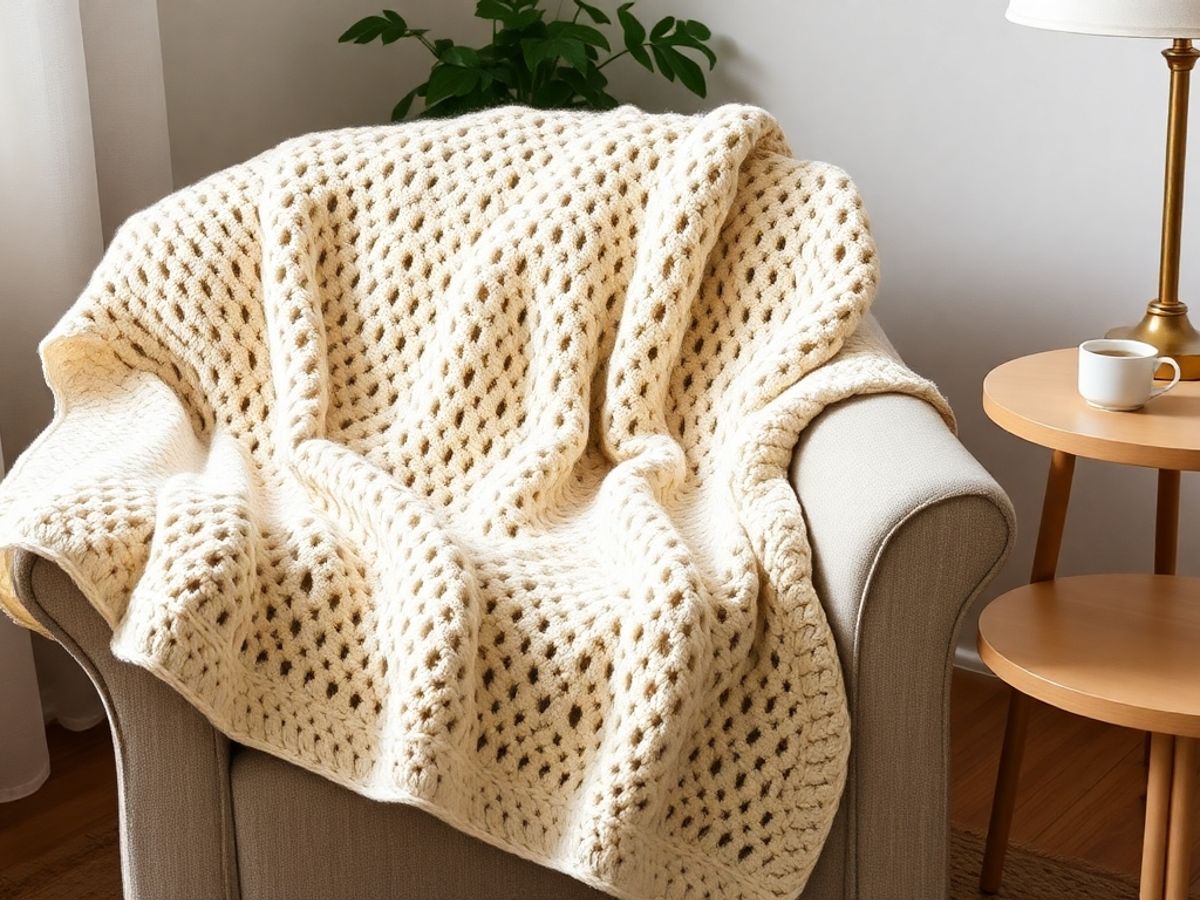
Diving into the world of double crochet patterns opens up endless possibilities. You can start with something classic like the granny square, which is perfect for beginners and offers a timeless appeal. Another favourite is the ripple pattern, known for its wave-like appearance that adds a dynamic look to any blanket. Don’t forget the shell stitch, which creates a lovely, scalloped edge. Experimenting with these patterns can transform a simple project into a work of art.
Incorporating Color Changes in Your Blanket
Adding color changes to your double crochet blanket can dramatically alter its look and feel. Begin by selecting a color palette that complements your home decor or personal style. To change colors, simply finish the last stitch of your current color, yarn over with the new color, and pull through to complete the stitch. This technique is seamless and ensures your blanket has a polished finish. Try using color blocks or stripes for a modern touch.
Adding Borders and Finishing Touches
Borders can give your blanket a finished look. A simple single crochet border can tidy up the edges, while a picot edge adds a decorative flair. To add a border, start by attaching your yarn to any corner of the blanket, then work your way around, ensuring you keep the tension even. Finishing touches like tassels or fringe can add personality and charm, making your blanket truly unique. Check out Elara Finn’s crafting tips on DIYbrico for more creative ideas.
Troubleshooting Common Crochet Challenges
Fixing Uneven Tension Issues
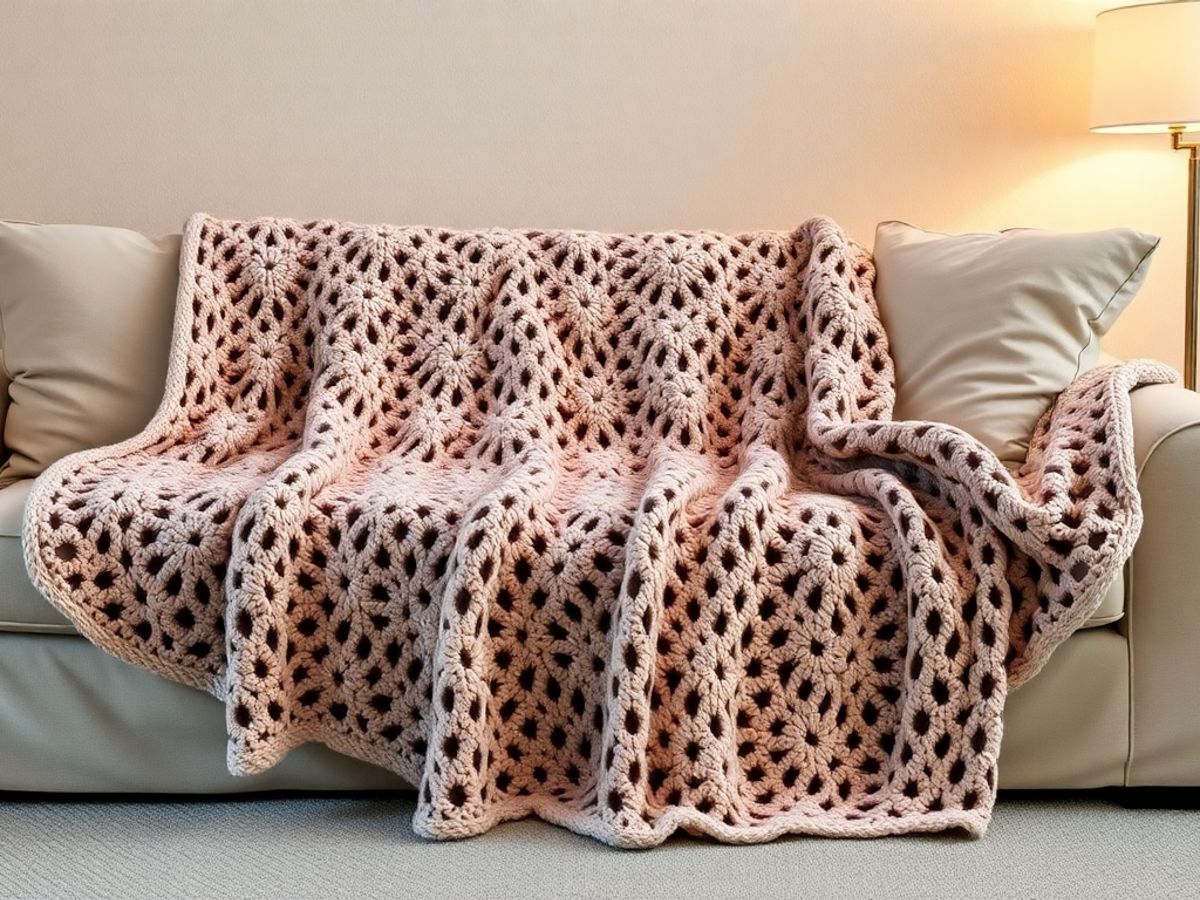
Uneven tension can really mess up your crochet project, making your stitches look wonky. Here’s how to tackle it:
- Practice with swatches: Try different stitches to see your natural tension. This helps you understand how tight or loose you crochet.
- Adjust your hook size: Sometimes, simply switching to a larger or smaller hook can make a big difference.
- Use stitch markers: These can help keep your stitch count accurate, which in turn helps maintain even tension.
Correcting Miscounted Stitches
Miscounting stitches is a common hiccup, but it’s easy to fix:
- Count as you go: Get into the habit of counting your stitches at the end of each row.
- Use a stitch counter or markers: These tools help track where you are in your pattern.
- Double-check your pattern: Make sure you understand how each stitch is supposed to look.
Adjusting Blanket Size and Shape
Sometimes, your blanket doesn’t turn out the size or shape you expected. Here’s what to do:
- Check your gauge: Before starting, make a small swatch to check your gauge. Adjust your hook size if needed.
- Measure regularly: Keep a tape measure handy to ensure your blanket is on track.
- Alter stitch count: If your blanket is too wide or narrow, adjust the number of stitches in your rows.
Keep in mind, mastering essential crochet techniques is crucial for achieving polished results. Common issues like uneven edges can arise from mistakes in stitch counts at the start or end of rows. Understanding how to troubleshoot these problems enhances overall crochet skills. Learn more about mastering essential crochet techniques.
Enhancing Your Crochet Skills
Practicing with Different Yarn Types
Trying out various yarn types is a great way to boost your crochet skills. Different yarns have unique textures and weights, which can change the look and feel of your finished piece. Experimenting with different yarns can make your projects more versatile and exciting. For instance, using chunky yarn can make a warm, cozy blanket, while lighter yarns are perfect for delicate patterns. Keep a variety of yarns in your stash, and don’t be afraid to mix and match them in your projects.
Joining Crochet Communities for Support
Being part of a crochet community can be a game-changer. Whether it’s a local group or an online forum, these communities offer a wealth of knowledge and support. You can share your creations, ask for advice, and learn from others’ experiences. Plus, it’s a great way to make friends who share your passion. Many communities also organize events like crochet-along, where everyone works on the same project, providing a sense of camaraderie and motivation.
Exploring Advanced Crochet Techniques
Once you’re comfortable with basic stitches, it’s time to challenge yourself with advanced techniques. This could include learning how to incorporate new stitches into your projects or mastering complex patterns. Advanced techniques like Tunisian crochet or broomstick lace can add intricate details to your work. Trying out these techniques not only improves your skills but also keeps your crochet journey exciting and rewarding.
Remember, the world of free crochet blanket patterns is waiting for you to explore and create something truly remarkable. Happy crocheting!
Personalizing Your Double Crochet Blanket
Choosing Colors to Match Your Decor
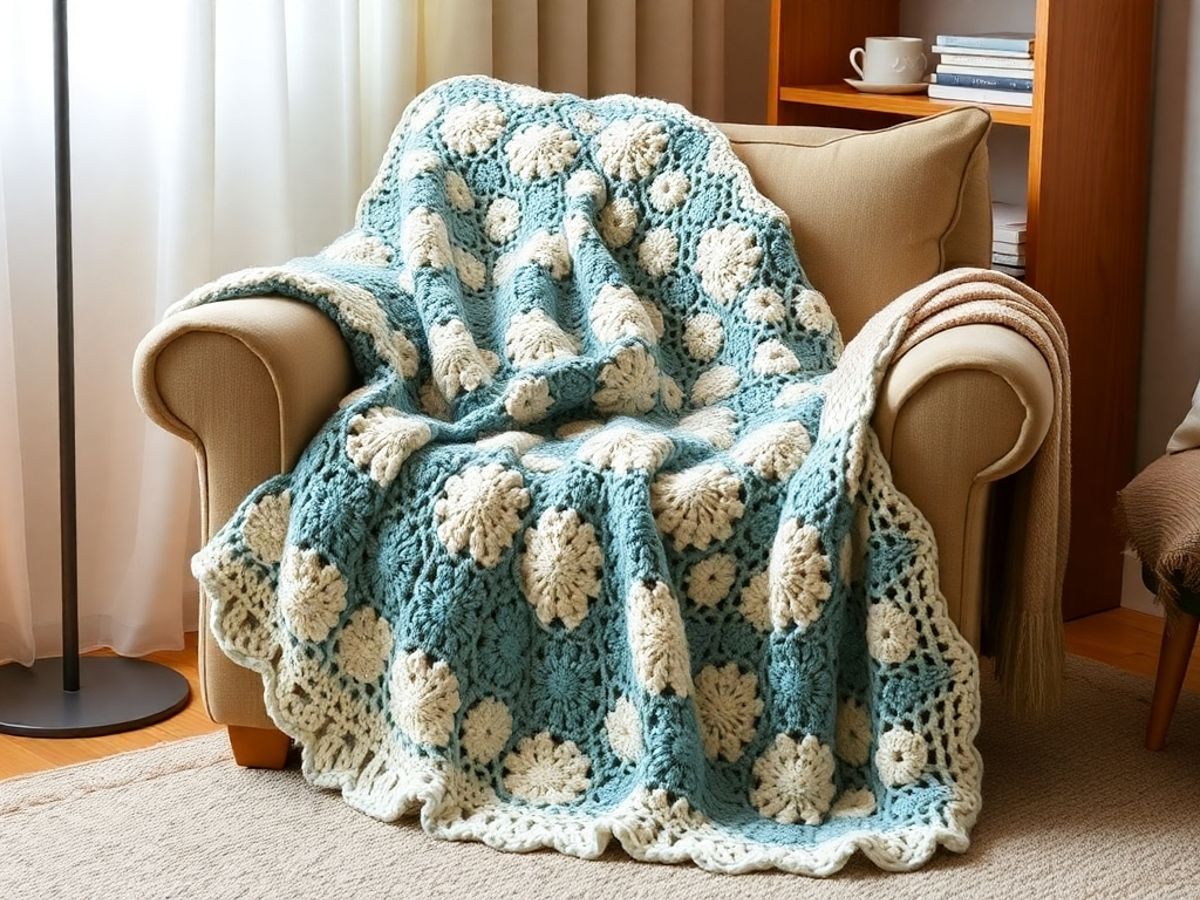
Picking the right colors for your double crochet blanket can make all the difference. It’s like choosing a paint color for your walls—it sets the mood and style of the room. Think about the palette you already have in your space. Do you want the blanket to pop with vibrant hues or blend in with soft, muted tones? Consider seasonal colors, too: warm reds and oranges for fall, cool blues and whites for winter. A handy tip is to use a color wheel to find complementary shades that will enhance your room’s aesthetics.
Adding Personalized Embellishments
Embellishments can transform a simple crochet blanket into a personal masterpiece. You can add tassels on the corners for a playful touch or sew on some buttons or beads for added texture. Appliqués, like flowers or stars, can also be crocheted separately and then attached to the blanket. For a more intricate look, try incorporating different stitches, like the granny square pattern, into sections of your blanket. This not only adds visual interest but also gives you a chance to experiment with new techniques.
Creating Custom Sizes and Shapes
Not all blankets need to be rectangular! You can make your double crochet blanket in any shape or size to suit your needs. Want a cozy throw for the couch? Go for a smaller size. Need a large blanket for the bed? Just keep adding rows. You can even create unique shapes, like hexagons or circles, by adjusting your stitch count and pattern. Don’t be afraid to sketch out your design on paper first—it can help visualize the end product. Adjusting the size and shape is a great way to tailor your blanket to fit any space or purpose.
Conclusion
So, there you have it, folks! Making a double crochet blanket isn’t just about the end product but the whole experience. It’s like a journey where each stitch tells a story. Whether you’re a newbie or a seasoned pro, there’s always something new to learn and enjoy. Grab your yarn, find a comfy spot, and let your creativity flow. Who knows, your next masterpiece might just be a few stitches away. Happy crocheting!
Frequently Asked Questions
What supplies do I need to start crocheting a blanket?
You’ll need yarn, a crochet hook, scissors, tapestry needles, and stitch markers to crochet a blanket.
Which crochet stitches are essential for making a blanket?
The basic stitches you need to know are the chain stitch, single crochet, and double crochet.
How can I crochet a blanket step-by-step?
Begin with a foundation row, then use single or double crochet stitches for the rows. You can change colours or add borders to the finish.
What common mistakes should I avoid when crocheting a blanket?
Avoid uneven edges and tension issues by using stitch markers and maintaining consistent tension.
How do I fix uneven tension in my crochet work?
Practice keeping your yarn at the same tightness throughout your work, and use the right hook size.
What should I do if I miscount my stitches?
Use a stitch marker to keep track of your stitches, and count your stitches regularly to avoid mistakes.