DIYbrico | Discover, Create, Inspire

Woodworking Projects for Kids: Creative and Engaging Ideas
Explore fun woodworking projects for kids to inspire creativity and learning safely. Perfect for young makers!

Getting kids into woodworking can be a blast! It’s not just about making stuff; it’s about letting their creativity run wild while learning incredible skills. Whether building a simple birdhouse or crafting a toy car, woodworking projects for kids are a fantastic way to spend time together and inspire young minds. Plus, it’s a nice break from screens and a perfect opportunity to teach them about safety and responsibility. Let’s dive into some fun and engaging projects to excite your kids about picking up a hammer and nails.
Key Takeaways
- Woodworking projects for kids are a great way to encourage creativity and learning.
- Choosing the right tools and materials is essential for safety and success.
- Simple projects like birdhouses or picture frames are perfect for beginners.
- Supervision and safety gear are crucial when kids are working with tools.
- Incorporating colors and personal touches makes projects more fun and unique.
Getting Started with Woodworking Projects for Kids
Choosing the Right Tools and Materials
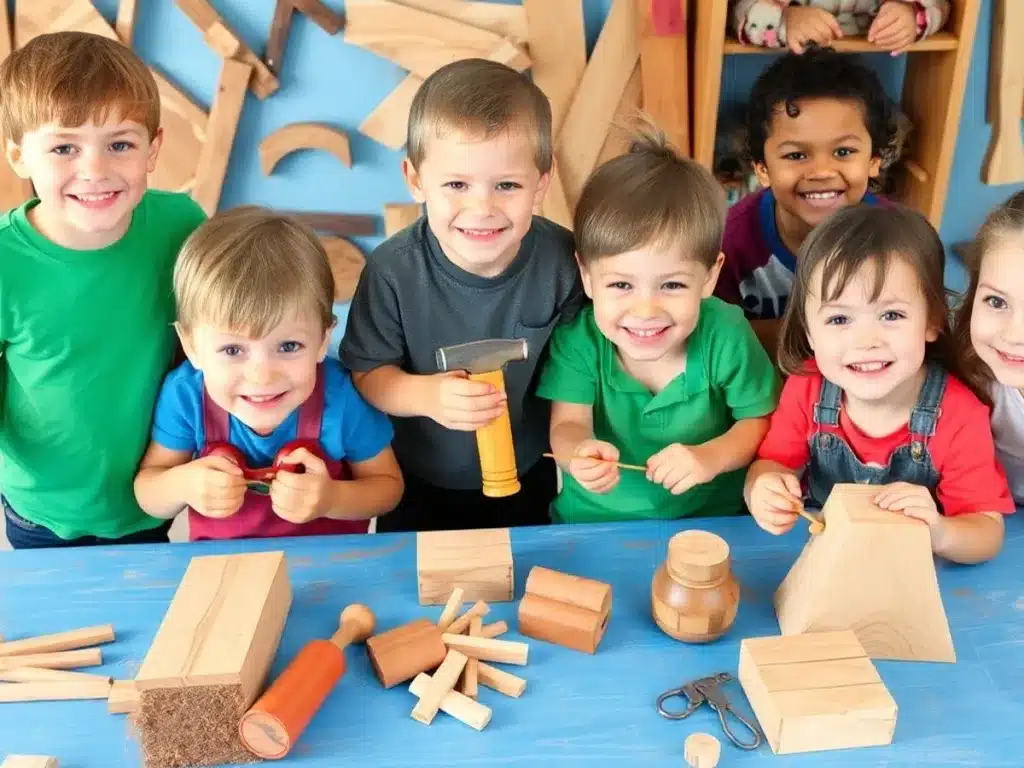
Starting with the right tools and materials is key for any woodworking project, especially with kids. You don’t need a full workshop to get started. A few basic tools can go a long way. Here’s a simple list to begin with:
- Hammers: Choose lightweight options that small hands can handle.
- Hand-drills: Manual drills are safer and great for learning.
- Screwdrivers: Opt for those with soft grips.
- Pull saws: These are easier and safer for kids to use.
When it comes to materials, start with something soft like balsa wood. It’s easier for kids to work with and less intimidating. As they gain confidence, you can introduce harder woods.
Setting Up a Safe Workspace
Safety is the name of the game here. Create a space where kids can work freely but safely. Here are some tips:
- Clear the Area: Make sure there’s plenty of room to move around.
- Proper Lighting: Ensure the workspace is well-lit to prevent accidents.
- Safety Gear: Equip kids with safety glasses and gloves.
- Tool Storage: Keep tools organized and out of reach when not in use.
Having a dedicated area for woodworking can also make cleanup easier and help kids focus on their projects.
Basic Techniques for Young Woodworkers
Teaching basic techniques is crucial to building confidence. Start with simple tasks like:
- Hammering: Show them how to start a nail with gentle taps before driving it in.
- Sawing: Guide them to use a pull saw with both hands for better control.
- Drilling: Let them practice with a hand drill, focusing on steady pressure.
Woodworking is more than just making things; it’s about learning patience and precision. Encourage kids to take their time and enjoy the process.
By starting with these basics, kids can gradually take on more complex projects, building both skills and confidence along the way.
Simple Woodworking Projects to Spark Creativity
Building a Birdhouse
Building a birdhouse is a classic project that never goes out of style. Kids love the idea of creating a home for birds, and it’s a fantastic way to introduce them to basic woodworking skills. Start with a simple design that uses pre-cut wood pieces, which can be easily assembled with nails and a hammer. This project is not only fun but also educational, as it teaches children about measurements and the importance of providing shelter for wildlife.
- Gather Materials: You’ll need pre-cut wood pieces, nails, a hammer, and paint.
- Assembly: Help your child follow a simple plan to nail the pieces together.
- Decorate: Let them paint and decorate their birdhouse to add a personal touch.
Crafting a Wooden Picture Frame
Creating a picture frame is an excellent way to let kids express their creativity while learning about woodworking. Children can create a beautiful frame to display their favorite pictures with just a few wooden slats, some glue, and a little imagination. Encourage them to think about color and design as they decorate their frames.
- Materials Needed: Wooden slats, wood glue, sandpaper, paint, and brushes.
- Steps:
- Cut the slats to size and sand the edges smooth.
- Glue the pieces together to form a frame.
- Once dry, paint and decorate to their heart’s content.
Designing a Personalized Nameplate
A personalized nameplate is a fun and easy project that lets kids put their own stamp on their room. This project involves cutting and decorating a piece of wood with their name or a favorite word.
- Materials: A small piece of wood, paint, brushes, and stencils.
- Instructions:
- Sand the wood to remove any rough edges.
- Use stencils to paint their name or a design.
- Add decorative touches like stickers or glitter.
These projects not only spark creativity but also build confidence as kids see their ideas come to life. They are a perfect introduction to the world of woodworking, blending fun with learning.
Fun and Functional Woodworking Ideas for Kids
Creating a Wooden Pencil Holder
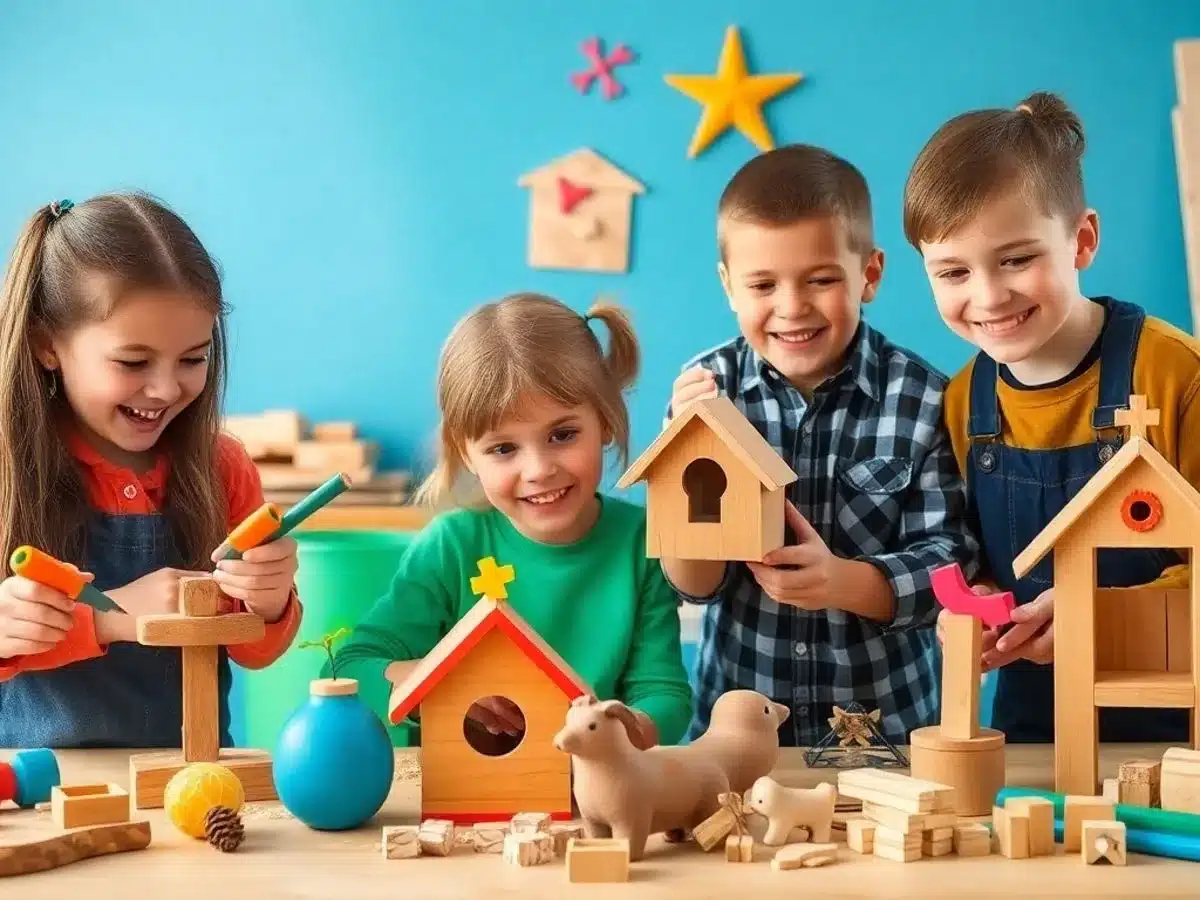
Building a pencil holder is a fantastic way for kids to practice basic woodworking skills. It’s simple, functional, and allows for a touch of creativity. Start with a block of wood and let the kids measure and mark the spots for holes where pencils will fit. Using a hand drill, they can carefully drill holes into the block. Once the holes are drilled, sand the edges to smooth out any rough spots. Finally, let the kids paint or decorate their pencil holder to make it uniquely theirs. This project not only keeps their desk tidy but also gives them a sense of accomplishment.
Making a Simple Bookshelf
Crafting a small bookshelf is a wonderful project for kids who are ready to take on a bit more of a challenge. With some guidance, they can cut and assemble the wood pieces to form a sturdy bookshelf. This project teaches them about measuring and cutting wood accurately. Start by cutting the wood into the necessary pieces: two sides, a back, and shelves. Assemble the pieces using screws or nails, and ensure everything is aligned properly. Once assembled, sand down any rough edges and let the kids paint or stain the shelf to match their room decor.
Designing a Toy Car
Designing and building a toy car can be an exciting project for kids. It combines creativity with basic engineering concepts. Begin with a simple car body cut out of wood. Kids can then attach wheels using small dowels or axles. Encourage them to think about the car’s design—will it be a race car or a truck? Let them paint and decorate their car, adding details like windows and racing stripes. This project not only results in a fun toy but also helps kids understand how things move and work together.
Woodworking projects like these are more than just crafts; they teach kids valuable skills and encourage them to think critically and creatively. They learn to plan, measure, and execute their ideas, which are skills that will serve them well throughout life.
Incorporating Learning into Woodworking Projects
Understanding Measurements and Math
Woodworking is a fantastic way for kids to get hands-on experience with math. When they’re measuring pieces of wood, calculating angles, or figuring out how much material they need, they’re using math in a practical way. Introduce them to simple measurements first, like inches and centimeters, and gradually move on to more complex concepts like fractions and angles. A great project to start with is a simple box where they can measure and cut each side to fit perfectly.
Exploring Shapes and Geometry
Woodworking projects are a perfect opportunity to explore shapes and geometry. Kids can learn about different shapes, how they fit together, and how they can be used to create more complex structures. Encourage them to think about the shapes they see in everyday objects and how they can replicate them in their projects. For example, constructing a birdhouse involves understanding the geometry of different parts and how they fit together.
Learning About Wood Types and Textures
Introduce kids to the variety of wood types and textures. Let them feel the difference between softwoods and hardwoods, and explain how each type of wood is suited for different projects. This can be a tactile experience, where they can touch and compare different textures. You might even take them on a field trip to a local lumberyard to see the variety of woods available. This not only teaches them about materials but also about sustainability and the importance of choosing the right wood for the right project.
Woodworking isn’t just about building things; it’s a gateway to learning about the world in a hands-on way. Kids learn by doing, and woodworking is all about doing.
Woodworking projects for kids not only spark creativity but also provide a platform for learning essential skills. By incorporating creative paper crafts into their activities, kids can further enhance their understanding of shapes, textures, and the joy of creating something with their own hands.
Safety Tips for Woodworking with Kids
Using Tools Safely and Effectively
When it comes to woodworking with kids, the first step is all about using tools safely. Kids should start with basic tools like hammers, screwdrivers, and manual hand drills. Always ensure the tools are child-friendly, meaning they fit comfortably in their hands and are not too heavy. Pull saws are a good choice because they’re easier to handle. Before they even pick up a tool, have a chat about what each tool does and how to use it properly. Demonstrations are great, so they can see exactly how to hold and use each tool. And remember, adult supervision is key. Keep a close eye on them, especially when they’re using tools like saws or drills.
Wearing Protective Gear
Protective gear is a must-have in any woodworking project. Equip your young woodworkers with safety glasses to protect their eyes from flying wood chips or dust. Gloves can also be handy, but make sure they don’t hinder their grip on tools. For younger kids, smaller gloves might be necessary to ensure they can still hold tools properly. If you’re working on a project that involves a lot of cutting or sanding, consider a dust mask to keep them from inhaling any particles. It’s all about keeping them safe while they enjoy their creative projects.
Supervising Young Woodworkers
Supervision is crucial when kids are involved in woodworking. It’s not just about standing over them; it’s about guiding them through each step. Initially, you might need to be right there, especially with younger children. As they become more confident, you can step back a bit but always stay within arm’s reach. This way, you can quickly step in if they need help or if something goes wrong. Plus, being there to cheer them on and offer encouragement can boost their confidence and make the whole experience more enjoyable. Keep in mind that woodworking not only teaches them about tools but also patience and problem-solving. With the right supervision, kids can explore their creativity safely and effectively.
Encouraging Creativity and Imagination in Woodworking
Allowing Freedom in Design
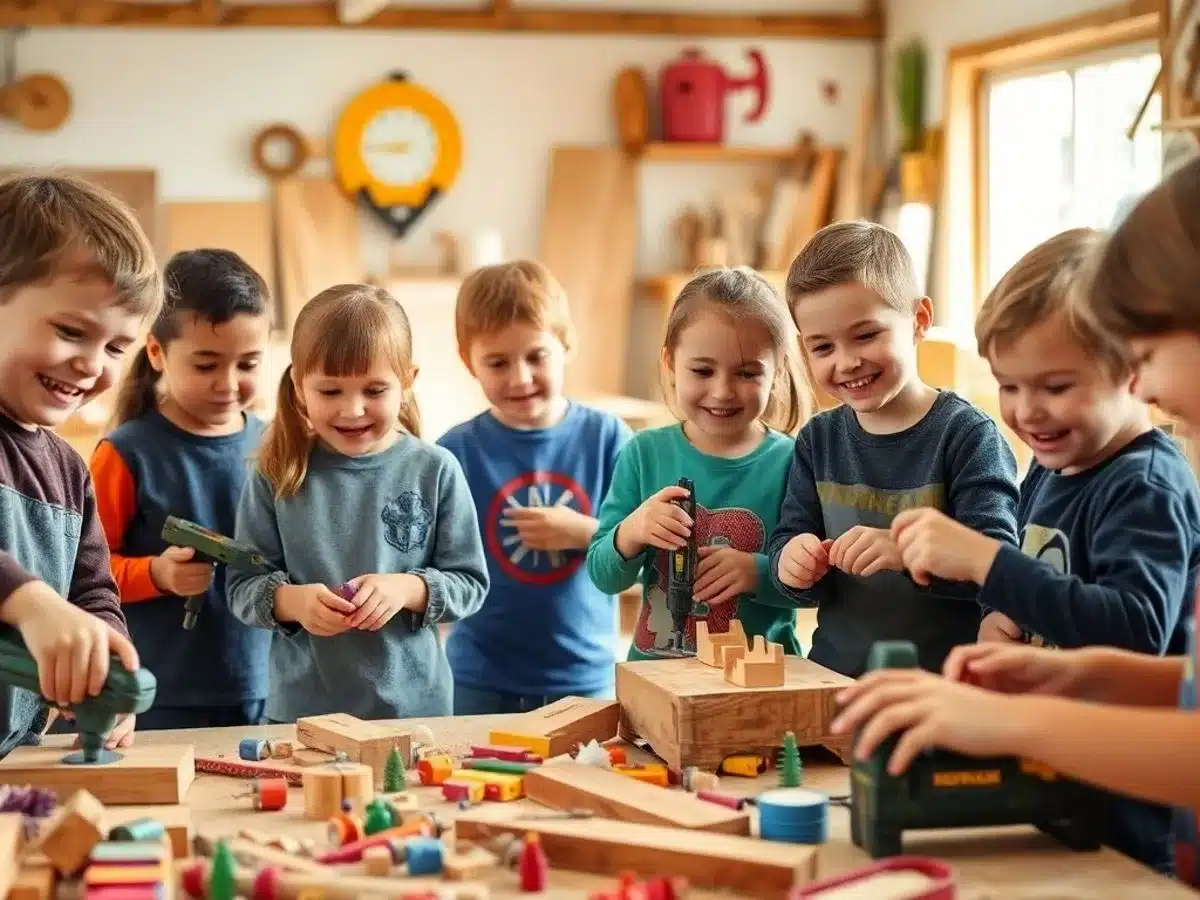
Letting kids take the reins on their woodworking projects is key to sparking imagination. Rather than sticking strictly to instructions, encourage them to explore their ideas. This freedom helps them think outside the box and come up with unique creations. Whether they want to turn a simple block of wood into a spaceship or a castle, the sky’s the limit!
Incorporating Colors and Paints
Once the woodwork basics are done, introducing colors can make the projects pop. Encourage kids to use paints, markers, or even stickers to decorate their creations. This not only adds a personal touch but also lets them express their artistic side. Plus, it’s a great way to learn about colors and how they mix.
Personalizing Projects with Unique Touches
Personalization is all about adding those little details that make a project special. Whether it’s carving initials, adding beads, or using fabric scraps, these touches turn a simple project into something truly personal. Kids can explore different textures and materials, making their work stand out.
Letting kids personalize their projects not only boosts their confidence but also makes them proud of what they’ve made. It’s about creating something that’s truly theirs, reflecting their personality and creativity.
For more creative inspiration, check out DIYbrico’s fun projects for kids, where you can find a variety of ideas to get started.
Conclusion
Wrapping up, woodworking projects for kids are more than just a fun way to pass the time. They’re a chance for kids to learn new skills, get creative, and maybe even discover a new hobby. Whether it’s building a simple birdhouse or crafting a wooden toy, these projects can spark imagination and teach patience. Plus, it’s a great way for families to bond. So, grab some wood, gather the tools, and let the creativity flow. Who knows, you might just inspire the next generation of makers!
Frequently Asked Questions
What are some easy woodworking projects for kids?
Some simple projects include making a birdhouse, crafting a picture frame, or creating a pencil holder.
What tools do kids need to start woodworking?
Children should start with basic tools like a hammer, small saw, and sandpaper. Always ensure they are child-friendly.
How can I make woodworking safe for kids?
Set up a safe workspace, use child-safe tools, and always supervise them closely during projects.
Why is woodworking good for kids?
Woodworking helps kids improve their fine motor skills, boosts creativity, and teaches them problem-solving.
Can woodworking teach kids about math?
Yes, woodworking involves measurements and geometry, which can help kids understand math concepts better.
How can kids personalize their woodworking projects?
Kids can add paint and stickers or carve their initials to make their projects unique.