DIYbrico | Discover, Create, Inspire

Innovative CNC Woodworking Projects to Elevate Your Craft in 2025
Explore cutting-edge CNC woodworking projects for 2025, blending tradition with technology and sustainability.

Hey there, woodworking enthusiasts! If you want to step up your game in 2025, you’re in for a treat. CNC woodworking is rising, blending tech with tradition to create something truly special. We’re talking about projects that look amazing and do their part for the planet. Dive into the world of CNC woodworking projects and discover how you can make your craft stand out.
Key Takeaways
- CNC woodworking is merging traditional craftsmanship with modern technology.
- Sustainable practices are becoming a central focus in woodworking projects.
- 3D printing is starting to make waves in the woodworking scene.
- Mixed-material designs are gaining popularity, combining wood with metals and glass.
- Personalization and customization are key trends in modern woodworking projects.
Exploring Sustainable CNC Woodworking Projects
Incorporating Reclaimed Wood in Designs
Using reclaimed wood isn’t just a trend; it’s an eco-friendly choice that gives new life to old materials. By choosing reclaimed wood, you help reduce waste and promote sustainability in your projects. It’s like giving history a second chance. Imagine crafting a dining table from old barn wood or creating a bookshelf from salvaged timber. Each piece carries its own story and character, making your designs truly unique.
Utilizing Eco-Friendly Finishes
The finish you choose for your woodworking project can make a big difference in its environmental impact. Opt for finishes that are low in volatile organic compounds (VOCs) to keep your indoor air quality safe. Look for natural oils and waxes that provide a beautiful finish without harmful chemicals. Here’s a quick list of eco-friendly finishes you might consider:
- Linseed oil
- Beeswax
- Shellac
Designing for Energy Efficiency
Designing with energy efficiency in mind means considering how your project will interact with its environment. For instance, CNC shops are increasingly implementing solar power and energy-efficient controllers to minimize their carbon footprint. Advanced energy management systems can help monitor energy usage effectively, ensuring your projects are not just beautiful but also environmentally responsible.
Sustainable woodworking is about more than just using good materials; it’s about creating designs that respect our planet. By incorporating these practices, woodworkers can craft pieces that are not only stunning but also kind to the Earth.
Integrating Technology in CNC Woodworking
Leveraging CNC Machines for Precision
CNC machines are like the superheroes of woodworking. They take care of the tricky bits, like cutting and shaping, with amazing accuracy. These machines can do what might take hours by hand in just a few minutes. It’s not just about speed; it’s about getting those perfect cuts every time. And the best part? You can focus more on the creative side of things, knowing the machine has your back.
The Role of 3D Printing in Woodworking
3D printing is stepping up in the woodworking world. Imagine being able to create custom joints or unique decorative elements without breaking a sweat. That’s what 3D printing offers. It’s still a bit new, but the possibilities are endless. As technology advances, we might even see entire wooden structures being printed. It’s like having a mini factory right on your desk.
Smart Home Features in Wood Designs
Woodworking isn’t just about making things look pretty anymore. With smart home tech, your wooden creations can do more than ever. Think wireless charging built into a desk or touch-activated cabinets. These features aren’t just cool; they make life a bit easier. And as more people jump on the smart home bandwagon, adding these elements to your designs could set you apart from the rest.
As technology keeps evolving, the line between traditional woodworking and tech-driven innovation blurs. It’s an exciting time to be in the craft, where creativity meets technology.
Innovative Mixed-Material CNC Woodworking Projects
Combining Wood with Metal and Glass
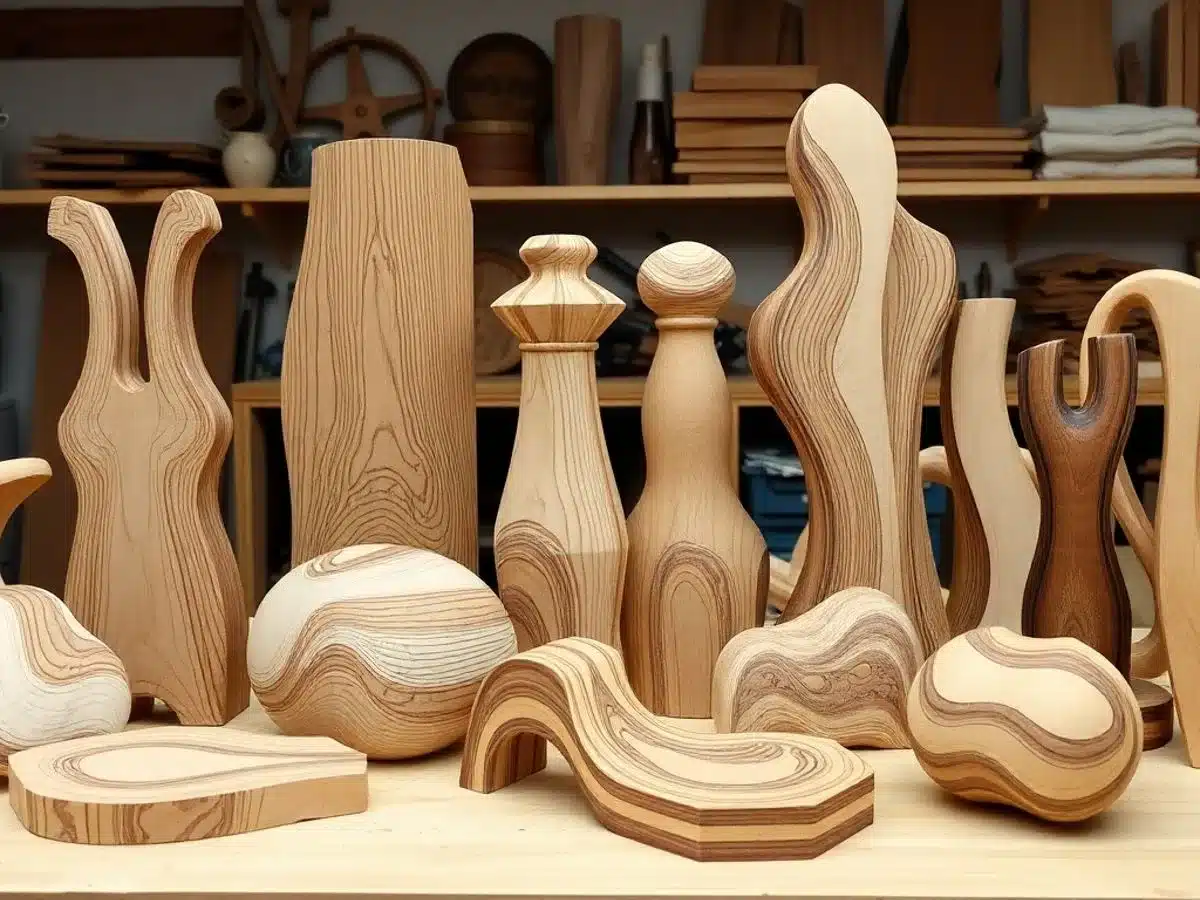
Mixing wood with materials like metal and glass isn’t just trendy; it’s a way to create pieces that are both functional and artistic. Imagine a kitchen tool crafted with a wooden handle and a sleek metal blade, or a dining table with a glass top and wooden legs. These combinations bring out the best in each material, offering durability from metal, elegance from glass, and warmth from wood.
- Strength and Durability: Metal adds structural integrity.
- Elegance and Transparency: Glass provides a modern touch.
- Warmth and Texture: Wood offers a natural feel.
Exploring Modular Design Concepts
Modular designs are all about flexibility. They’re like building blocks that you can rearrange to suit your space. Think of a bookshelf that can be expanded or reduced depending on your needs. This approach not only saves space but also allows for creativity in how you use your furniture.
- Adaptability: Easily change the configuration.
- Space-Saving: Perfect for small or evolving spaces.
- Customization: Tailor the design to fit your style.
Creating Textured and Bold Designs
Texture plays a big role in how we perceive design. By using CNC technology, woodworkers can create intricate patterns and bold textures that stand out. Whether it’s a carved wooden panel or a textured cabinet door, these designs add depth and interest to any piece.
Embracing mixed materials and innovative designs isn’t just about keeping up with trends; it’s about pushing the boundaries of what’s possible in woodworking. The future of CNC projects lies in the creativity and boldness of today’s craftsmen.
Personalized CNC Woodworking Projects for Unique Spaces
Custom Furniture for Modern Living
Creating custom furniture for modern living spaces is like painting a room with colors that perfectly match the vibe you want. Whether it’s a sleek, minimalist coffee table or a rustic, live-edge dining table, the possibilities are endless. Custom CNC projects allow you to design pieces that fit perfectly into your lifestyle and aesthetic.
- Space Optimization: Tailor-made furniture ensures that every nook and cranny of your home is utilized effectively.
- Unique Designs: Stand out from the crowd with one-of-a-kind pieces that reflect your personal style.
- Functional Art: Each piece is not just furniture but a functional piece of art that enhances your living space.
Bespoke Architectural Features
When it comes to architectural features, bespoke designs can transform a mundane space into something extraordinary. Imagine walking into a room with a custom-built entertainment center or a striking wooden staircase that draws everyone’s attention.
Bespoke architectural features are not just about aesthetics; they bring harmony between design and functionality, making your space truly unique.
Tailored Solutions for Client Needs
Every client is different, and so are their needs. Tailored solutions in CNC woodworking mean that you can cater to specific requirements, whether it’s for a cozy reading nook or a grand entryway.
- Consultation: Begin by understanding the client’s vision and needs.
- Design Phase: Create a detailed plan that aligns with the client’s expectations.
- Execution: Bring the design to life with precision and care.
For those interested in custom CNC projects, offering a range of intricate designs and engraved items can merge advanced technology with skilled craftsmanship, providing truly personalized pieces.
The Future of CNC Woodworking: Trends and Predictions
Increased Automation and AI Integration
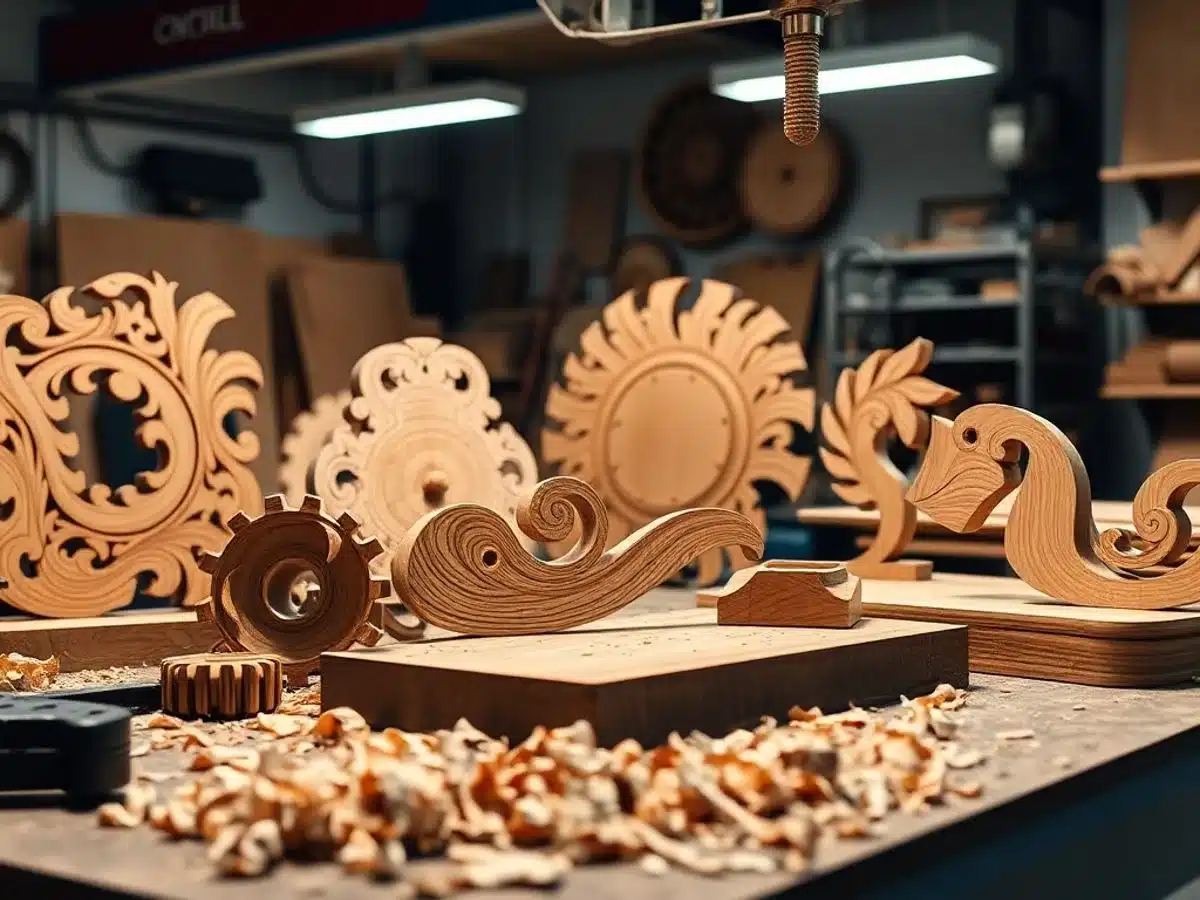
The woodworking industry is on the brink of a technological revolution. Automation and AI are set to transform the landscape, making processes faster and more efficient. Imagine robots taking over repetitive tasks, freeing up artisans to focus on creativity. AI can optimize designs, predict material needs, and even suggest improvements. This means more time for woodworkers to innovate and less time spent on mundane tasks.
The Rise of Biophilic Design
Biophilic design, which brings nature into our living spaces, is gaining traction. Woodworkers are increasingly incorporating natural elements into their projects, creating pieces that resonate with the environment. This trend not only appeals to eco-conscious consumers but also enhances the aesthetic and calming qualities of spaces. Expect to see more designs that mimic the beauty of the natural world, using sustainable materials and techniques.
Sustainability as a Core Principle
Sustainability isn’t just a buzzword—it’s becoming a fundamental part of woodworking. From using reclaimed wood to adopting eco-friendly finishes, the push for greener practices is strong. Woodworkers are finding new ways to minimize waste and reduce environmental impact. This shift is driven by both consumer demand and a growing awareness of our planet’s needs. As we move forward, sustainability will be at the heart of every project.
Reviving Artisanal Craftsmanship with CNC Technology
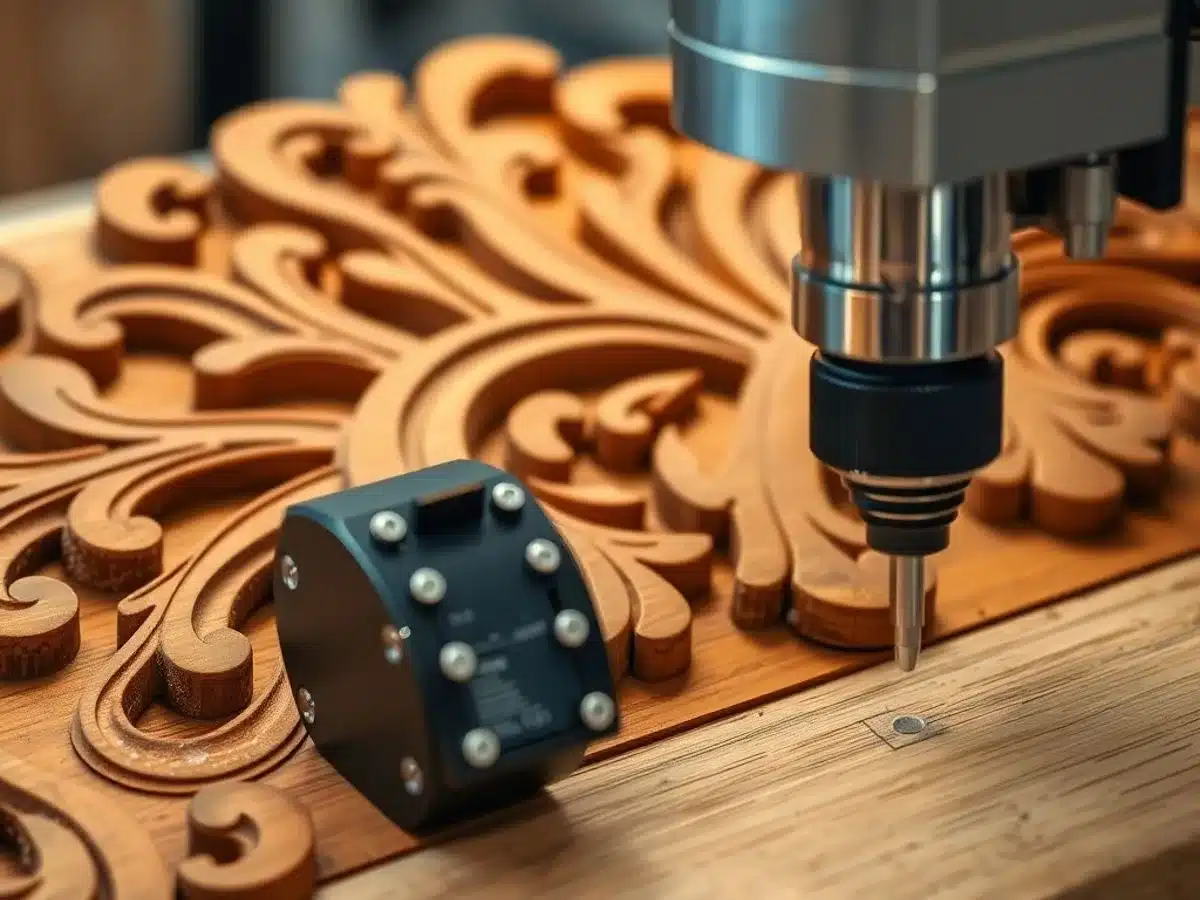
Live-Edge Designs and Hand-Carved Details
In a world swamped with mass-produced items, there’s a growing desire for something unique and personal. This is where live-edge designs come into play. These designs maintain the natural edge of the wood, showcasing its raw beauty. Hand-carved details add another layer of uniqueness, allowing artisans to infuse their personal touch into each piece.
- Live-edge tables: These are not just functional but also serve as a conversation starter in any room.
- Hand-carved wall art: Perfect for adding a rustic touch to modern spaces.
- Custom wood sculptures: Each piece tells a story, making them perfect for personalized gifts.
Balancing Tradition with Innovation
The fusion of traditional woodworking techniques with modern technology like CNC machines is transforming the craft. While CNC machines offer precision and efficiency, traditional methods bring warmth and character that machines can’t replicate. This balance allows craftsmen to produce pieces that are both technically perfect and soulfully crafted.
- Start with a sketch: Begin by sketching your design, incorporating both traditional and modern elements.
- Select the right tools: Use CNC machines for precision cuts and hand tools for finishing touches.
- Combine techniques: Merge machine precision with hand-carved details for a unique finish.
Embracing both tradition and technology allows us to create pieces that are not only beautiful but also meaningful.
Crafting Authentic and Individual Pieces
The demand for authentic, one-of-a-kind pieces is on the rise. People want items that reflect their personality and style, not just something off the shelf. By using CNC technology, artisans can create intricate designs that were once impossible by hand while still maintaining the craftsmanship that makes each piece special.
- Custom furniture: Tailored to fit any space and style.
- Bespoke cabinetry: Offers functionality and aesthetics tailored to individual needs.
- Unique home decor: From custom light fixtures to personalized wall panels, the possibilities are endless.
This approach not only honors the rich history of woodworking but also pushes the boundaries of what’s possible, ensuring that the art of woodworking remains vibrant and relevant in today’s world.
Adaptive Reuse in CNC Woodworking Projects
Repurposing Salvaged Materials
In the world of CNC woodworking, the concept of repurposing salvaged materials is gaining traction. It’s not just about saving the planet; it’s about creating something truly unique. Imagine taking a piece of storm-felled oak or a historic building’s beam and turning it into a stunning piece of furniture. Each item tells a story, adding depth and character to the final product. Here are some benefits of using salvaged materials:
- Environmental Impact: Reduces waste and the need for new resources.
- Cost-Effective: Often cheaper than buying new materials.
- Unique Character: Each piece has its history and patina.
Creating Stories Through Design
Creating woodworking projects from reclaimed materials isn’t just about the end product; it’s about the journey. Each piece of wood has a story, and as a craftsman, you get to weave these stories into your designs. Whether it’s a table made from old barn wood or a shelf crafted from a ship’s timber, these projects connect us to the past in a tangible way.
Using reclaimed wood in your projects not only adds a unique touch but also brings a sense of history and nostalgia to your creations.
Environmental Stewardship in Woodworking
Woodworkers today are increasingly mindful of their environmental footprint. By focusing on adaptive reuse, they demonstrate a commitment to sustainability. This involves choosing materials thoughtfully, minimizing waste, and opting for eco-friendly finishes. Here’s how you can practice environmental stewardship in your woodworking projects:
- Select Reclaimed Wood: Opt for materials that have been used before to reduce the demand for new timber.
- Use Eco-Friendly Finishes: Choose finishes that are low in VOCs and other harmful chemicals.
- Design for Longevity: Create pieces that are built to last, reducing the need for replacement.
By embracing these practices, woodworkers can craft beautiful, sustainable pieces that honor both the environment and the rich history of the materials they use.
Conclusion
So, there you have it. The world of CNC woodworking is buzzing with fresh ideas and tech that’s changing the game. Whether you’re a pro or just getting started, there’s something exciting about mixing tradition with new tools. It’s not just about making stuff; it’s about creating pieces that tell a story and maybe even help the planet a bit. As we look to 2025, let’s keep pushing those boundaries, trying new things, and seeing where our creativity takes us. Who knows? Your next project might just be the one that inspires others to pick up a tool and start crafting.
Frequently Asked Questions
What is CNC woodworking?
CNC woodworking uses computer-controlled machines to cut, carve, and shape wood with precision.
How do CNC machines help in woodworking?
CNC machines automate the cutting process, making it faster and more accurate, allowing for intricate designs.
Why is sustainability important in woodworking?
Sustainability helps reduce environmental impact and meets the growing demand for eco-friendly products.
What is mixed-material woodworking?
Mixed-material woodworking combines wood with other materials like metal and glass to create unique designs.
How can technology be integrated into woodworking?
Technology like smart home features and 3D printing can be integrated to enhance functionality and design.
What are some future trends in woodworking?
Future trends include increased automation, biophilic design, and a focus on sustainable practices.