DIYbrico | Discover, Create, Inspire

Discover Creative and Easy Woodworking Projects for Kids to Spark Their Imagination
Explore easy woodworking projects for kids to boost creativity and skills safely.

Woodworking with kids is a fantastic way to spend time together while teaching them new skills. It’s all about making things with their hands, which can be fun and rewarding. Plus, it helps them learn patience and boosts their creativity. This guide will walk you through some easy woodworking projects for kids that will spark their imagination and keep them engaged. From simple birdhouses to crafting their toy cars, there’s something here for every young builder.
Key Takeaways
- Woodworking helps kids develop hand-eye coordination and fine motor skills.
- Simple projects like birdhouses or picture frames are a great starting point.
- Softwoods like pine are perfect for beginners due to their ease of use.
- Safety is crucial; always supervise and use proper gear.
- Woodworking can boost a child’s confidence and creativity.
Easy Woodworking Projects for Kids – Basics
Essential Tools for Young Woodworkers
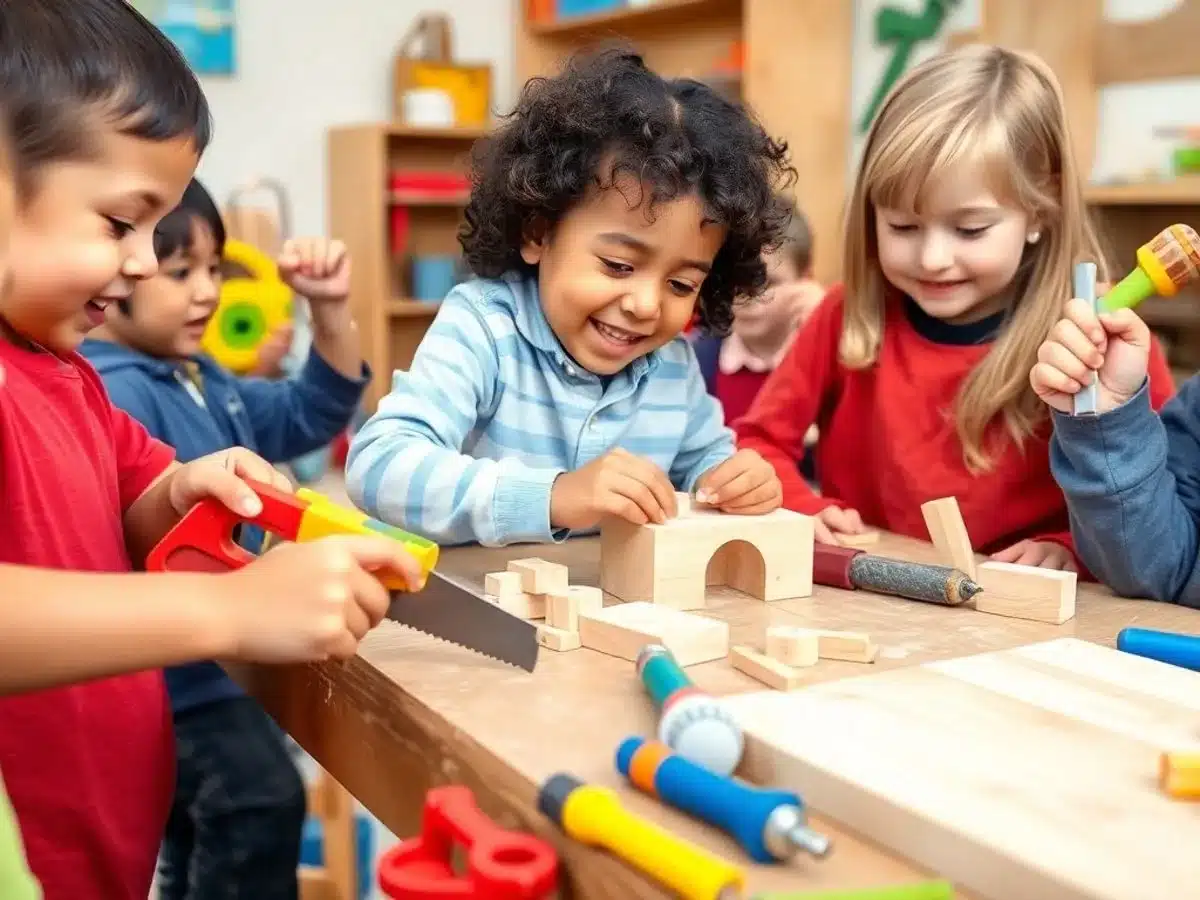
Getting started with woodworking means having the right tools. For kids, it’s best to keep it simple. Here’s a list of essentials:
- Small Handsaw: Perfect for little hands, this tool lets kids make precise cuts without too much effort.
- Hammer: A lightweight hammer is ideal for driving nails and can be used for various tasks, like tapping pieces into place.
- Safety Goggles: Protecting those peepers is crucial. Goggles keep stray wood chips and dust from causing harm.
- Tape Measure: Teaching kids to measure accurately is key. A tape measure helps ensure that every piece fits just right.
- Sandpaper: After cutting, smoothing rough edges is a must. Sandpaper helps achieve a nice, clean finish.
These tools are easy to use and help kids complete simple projects smoothly. As they get more confident, they can add more tools to their kit.
Safety Measures Every Child Should Know
Safety is the name of the game in woodworking. Here are some must-know tips for keeping kids safe:
- Wear Safety Goggles: Always protect the eyes from flying debris.
- Secure the Wood: Use clamps or a vise to hold wood steady while working.
- Supervise Power Tools: Never leave power tools unattended. Always have an adult nearby.
- Mind Your Fingers: Keep fingers away from cutting areas.
- Cut Away from the Body: This reduces the risk of accidents.
By teaching these safety habits, you’re setting up a safe environment for woodworking fun.
The Importance of Supervision in Woodworking
Supervision is a big deal when kids are working with tools. Always keep an eye on them, especially when they’re using sharp or power tools. Not only does this keep them safe, but it also boosts their confidence to try new things.
Woodworking is a fantastic way for kids to learn problem-solving and improve coordination. With proper supervision, it becomes a safe and enjoyable hobby that can grow with them over time.
Starting with Simple and Fun Woodworking Projects
Building a Birdhouse: A Step-by-Step Guide
Building a birdhouse is a fantastic project for kids to start with. It’s simple yet rewarding. Here’s how you can guide your child through the process:
- Measure and cut: Begin by measuring and cutting the wood for the birdhouse. You’ll need pieces for the four walls, a bottom, and a roof.
- Assemble the walls: Use a hammer and nails to put the walls together. This step helps kids understand basic construction.
- Attach the bottom: Secure the bottom piece to the walls using screws or nails.
- Fix the roof: Nail the roof to the top of the walls.
- Smooth the edges: Sand down any rough edges to ensure it’s safe to handle.
- Decorate: Let your child paint or decorate the birdhouse to add a personal touch.
Watching a birdhouse come together is not just about building; it’s about creating a safe haven for birds and a sense of achievement for your child.
Creating a Personalized Picture Frame
Crafting a picture frame is another engaging project that allows kids to express their creativity.
- Choose the wood: Select a softwood like pine for easier handling.
- Cut the pieces: Measure and cut four pieces to form the frame.
- Join the corners: Use wood glue or small nails to join the corners.
- Add backing: Attach a backing to hold the picture in place.
- Decorate: Encourage your child to paint or embellish the frame with stickers or other materials.
Crafting a Wooden Toy Car
Building a toy car from wood is a fun project that combines creativity with play.
- Design the car: Sketch a simple car design on paper.
- Cut the wood: Cut out the car body and wheels from a block of wood.
- Assemble: Use dowels to attach the wheels to the car body.
- Smooth and paint: Sand the car and let your child paint it in their favorite colors.
These projects not only inspire creativity but also teach kids valuable skills like measuring and assembling. They offer a hands-on experience that is both educational and fun. Remember, the goal is to let kids explore and enjoy the process, making each project their own.
Choosing the Right Materials for Kid-Friendly Projects

Exploring Softwoods for Beginners
When kids are just starting out, using softwoods like pine or cedar is a great idea. These woods are easy to cut and shape, making them perfect for little hands. Plus, they’re forgiving, so if a mistake happens, it’s not the end of the world. Softwoods are generally more affordable and available at most hardware stores, which is a bonus for parents. They’re a great choice for simple projects like birdhouses or picture frames.
Why Pine and Cedar are Ideal Choices
Pine and cedar are not only easy to work with, but they also have a pleasant smell. Pine is light and soft, making it easy for kids to handle. Cedar, on the other hand, is naturally resistant to bugs and decay, which is awesome for outdoor projects. When picking wood, make sure it’s free from nails and staples to keep things safe. According to guidelines on safe materials, it’s also wise to use non-toxic paints and adhesives.
Transitioning to Hardwoods as Skills Improve
As kids get more confident in their woodworking skills, introducing them to hardwoods like oak or maple can be exciting. These woods are tougher and can handle more intricate designs. They offer a new challenge and can help improve precision and patience. Remember, hardwoods can be more expensive, so it’s best to start small and work up to larger projects as skills develop.
Choosing the right materials can make or break a woodworking project. Start simple, and as confidence grows, introduce new challenges. This way, kids can enjoy the process and learn at their own pace.
Advancing to More Complex Woodworking Challenges
Constructing a Small Bookshelf
Building a small bookshelf is a great way to introduce your child to more detailed woodworking. This project not only teaches them about construction but also provides a handy place for their books or toys.
- Start by measuring and cutting the wood into the required pieces—two sides, a top, a bottom, and shelves.
- Assemble the pieces using screws or nails. Make sure everything is aligned properly.
- Sand down any rough edges to prevent splinters.
- Let your child paint or stain the bookshelf to give it a personal touch.
- Once dry, fill it with books or toys for a functional piece of furniture.
Assembling a bookshelf can be a rewarding experience, showing kids the value of patience and precision.
Designing a Custom Storage Box
Creating a storage box can be an exciting project, perfect for holding treasures or craft supplies.
- Measure and cut wood for four sides and a bottom.
- Assemble the box using nails or wood glue.
- Add a hinged lid if desired for extra functionality.
- Sand and finish the box with paint or stain.
- Encourage your child to decorate it with stickers or drawings.
This project helps kids understand the basics of box construction and offers a canvas for their creativity.
Building a Functional Wooden Clock
A wooden clock combines creativity with mechanics, providing a unique challenge.
- Begin by cutting a circular piece of wood for the clock face.
- Drill a hole in the center for the clock mechanism.
- Let your child paint numbers and designs on the face.
- Assemble the clock mechanism and attach hands.
- Hang it up and enjoy!
Building a clock teaches kids about time and mechanics, blending art with function. It’s a project that adds a personal touch to any room.
Making Woodworking Educational and Enjoyable
Incorporating Math and Measurements
Woodworking is a fantastic way to sneak in some math without your kids even realizing it. Measuring pieces of wood involves understanding length, width, and height, and sometimes even fractions. You can turn this into a fun exercise by letting them measure and mark the wood themselves. It’s like a real-life math problem, but way cooler than a worksheet!
Encouraging Creative Problem-Solving
When kids hit a snag in their project, it’s a golden opportunity to teach them problem-solving. Maybe a piece doesn’t fit, or a tool isn’t working right. Guide them to think through the issue and come up with a solution. This not only helps them build resilience but also sparks creativity. It’s amazing what kids can come up with when they’re given the freedom to figure things out on their own.
Celebrating Achievements and Progress
Every little win in woodworking deserves a celebration. Whether it’s cutting a piece of wood just right or finishing a project, acknowledging these milestones boosts confidence. You might even want to keep a “Woodworking Wall of Fame” where you display their creations. Seeing their work showcased can be a huge confidence booster and a reminder of what they can achieve.
Woodworking isn’t just about building things; it’s about building character and skills that last a lifetime. Let your kids lead the way, and you’ll be amazed at what they can do.
For more ideas on how to make woodworking projects engaging for kids, check out creative and engaging woodworking projects designed to encourage hands-on learning and creativity.
The Benefits of Woodworking for Child Development
Enhancing Fine Motor Skills
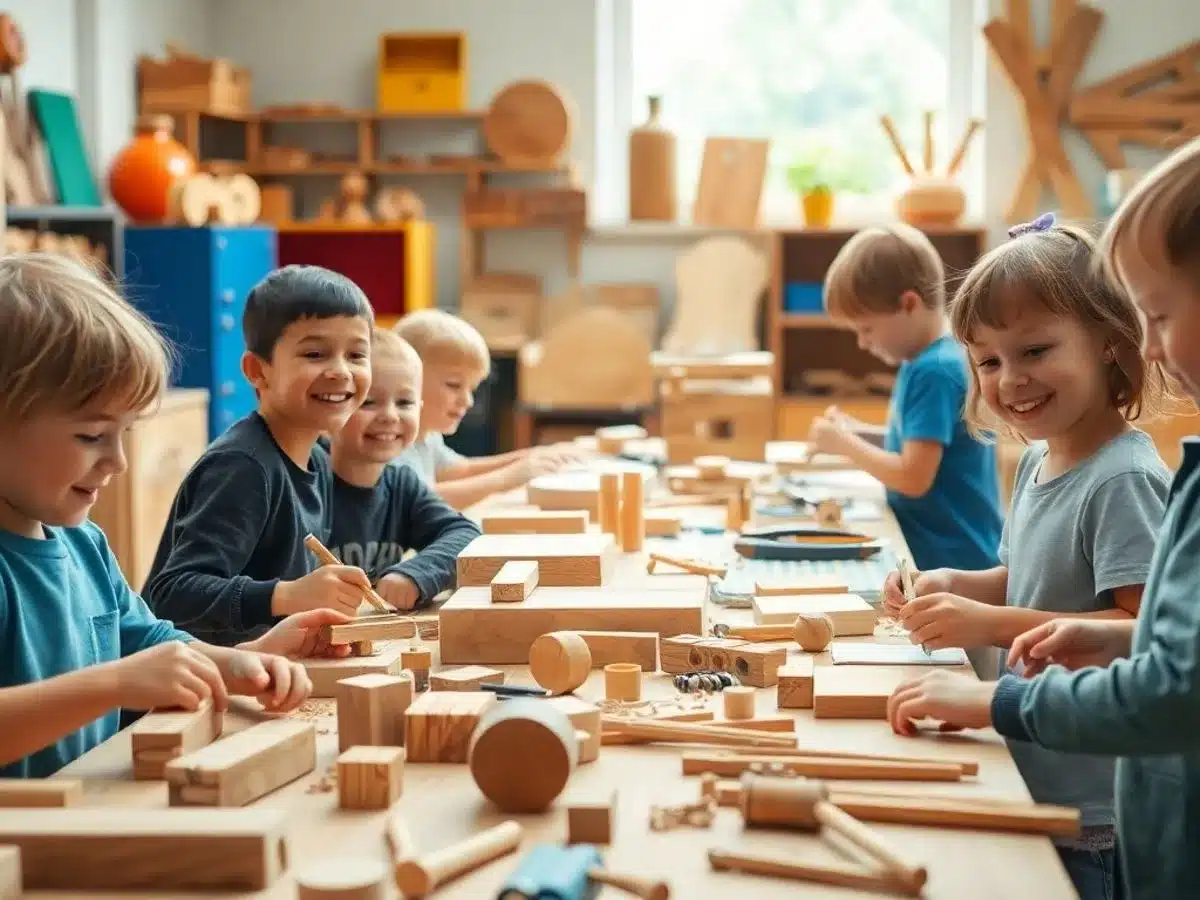
Woodworking is an excellent way for kids to improve their fine motor skills. As they learn to measure, cut, and assemble different pieces, their hand-eye coordination gets a significant workout. Handling tools like hammers, saws, and sandpaper helps children develop dexterity and precision. These are skills that will benefit them in many other areas of life.
Boosting Confidence and Self-Esteem
There’s nothing quite like the feeling of finishing a project with your own two hands. For kids, completing a woodworking project can be a huge confidence booster. They see that they can create something from scratch, and that realization can be incredibly empowering. As they tackle more complex projects, their self-esteem grows, knowing they can take on challenges and succeed.
Fostering Creativity and Innovation
Woodworking isn’t just about following instructions; it’s about thinking creatively and solving problems. Kids get to experiment with design, figure out how to fix mistakes, and come up with new ideas. This kind of hands-on creativity is invaluable, encouraging them to think outside the box and innovate in ways they might not have thought possible.
Woodworking is a journey where kids learn not just about wood and tools, but about themselves. It’s a fun, rewarding way to build both skills and character.
For more creative activities that can spark imagination and develop fine motor skills in children, explore fun and easy paper crafts for kids. These activities are perfect for fostering creativity and keeping kids entertained on rainy days.
Safety First: Ensuring a Secure Woodworking Environment
Using Protective Gear and Equipment
When kids dive into woodworking, it’s vital they start with the right protective gear. Safety goggles are a must-have to shield those young eyes from flying wood chips and dust. Gloves are also a good idea, providing a solid grip and protecting tiny hands from splinters and cuts. Consider ear protection too, especially if power tools are involved. It’s about creating a habit of safety that sticks.
Setting Up a Safe Workspace
A well-organized workspace can prevent a lot of mishaps. Ensure the area is clean, well-lit, and free from clutter. Tools should be within easy reach but stored securely when not in use. Using a sturdy workbench or table is essential—nothing should wobble or tip over. Make sure there’s enough room to move around without bumping into things. And always keep a first-aid kit nearby, just in case.
Teaching Safe Tool Handling Practices
Kids need to learn how to handle tools safely from the get-go. Start with the basics: how to hold a tool properly, the importance of keeping fingers away from cutting edges, and why it’s crucial to cut away from the body. Explain why they should never rush a job or use tools for tasks they’re not meant for. Supervision is key here; always be there to guide and correct as needed. Instilling these practices early helps build confidence and competence in young woodworkers.
Teaching kids the importance of safety in woodworking not only keeps them safe but also empowers them to take on projects with confidence. It’s about building skills that last a lifetime.
Wrapping Up: The Joy of Woodworking with Kids
So there you have it, a bunch of fun and simple woodworking projects to dive into with your kids. It’s not just about building stuff; it’s about spending time together, learning new skills, and watching your little ones’ confidence grow as they create something with their own hands. Sure, there might be a few bumps along the way—like a crooked nail or a wobbly shelf—but that’s all part of the adventure. Remember, the goal is to have fun and let their imaginations run wild. So grab some wood, a few tools, and get started on your next project. Who knows, you might just inspire the next generation of builders and creators. Happy woodworking!
Frequently Asked Questions
What tools do kids need for woodworking?
Kids should start with simple tools like a hammer, screwdriver, and measuring tape. As they learn, they can use more tools like a small saw or a hand drill.
How can I ensure my child’s safety while woodworking?
Make sure they wear safety goggles and use tools under adult supervision. Teach them to keep their fingers away from sharp edges and always cut away from their body.
What are some easy woodworking projects for beginners?
Beginner projects include making a birdhouse, crafting a picture frame, or building a simple toy car. These projects are fun and help kids learn basic skills.
Why is woodworking good for kids?
Woodworking helps kids improve their hand-eye coordination, boosts their creativity, and builds their confidence as they complete projects.
What type of wood is best for kids to use?
Softwoods like pine and cedar are great for beginners because they are easier to cut and shape. As kids get better, they can try working with hardwoods.
How can woodworking be educational?
Woodworking teaches kids about measurements, problem-solving, and planning. It also helps them understand how to follow instructions and think creatively.