DIYbrico | Discover, Create, Inspire

Mastering Treble Crochet: Techniques and Tips for Perfect Stitches
Master treble crochet with tips, techniques, and creative projects. Perfect your stitches and elevate your skills!

Treble crochet is a tall, airy stitch that adds elegance and texture to your crochet projects. Whether you’re just starting out or looking to refine your skills, learning this stitch opens up a world of creative possibilities. From cozy blankets to intricate lace patterns, mastering treble crochet can elevate your crafting game.
Key Takeaways
- Treble crochet creates tall, open stitches perfect for lacy or textured designs.
- Using the right yarn and hook size is essential for consistent results.
- Practicing tension control improves the look of your stitches.
- Advanced techniques like crossed or double treble crochet add variety to your projects.
- Incorporating treble crochet into patterns enhances creativity and design options.
Understanding the Basics of Treble Crochet
What Makes Treble Crochet Unique
Treble crochet, also known as triple crochet, is one of the tallest stitches in crochet. Its height gives projects a light, airy feel, making it ideal for lacy designs or garments that need a good drape. It’s taller than single, half-double, and double crochet stitches, so it works up faster and creates fewer rows in your projects. This stitch is perfect for creating open, breathable fabrics while still being sturdy enough for structural designs.
Essential Tools and Materials
To get started with treble crochet, you’ll need a few basic items:
- A crochet hook (a size H/8 or 5mm hook is a great starting point for beginners).
- Medium-weight yarn (often labeled as worsted weight) to practice with.
- Scissors for cutting the yarn.
- A tapestry needle to weave in loose ends.
Having these tools on hand ensures you’re ready to tackle any project, whether it’s a simple swatch or a full-blown blanket. If you’re new to crochet, you might want to master the half-double crochet stitch first to build confidence with basic techniques.
Step-by-Step Guide to Starting Treble Crochet
- Make a Foundation Chain: Start with a chain of any number of stitches, depending on the width of your project.
- Add Turning Chains: Add four extra chain stitches at the end. These count as your first treble crochet stitch in the next row.
- Yarn Over Twice: Wrap the yarn around your hook two times. This step is what gives treble crochet its height.
- Insert Hook: Insert the hook into the fifth chain from the hook (counting back from your current loop).
- Pull Up a Loop: Yarn over and pull the yarn through the chain. You should now have four loops on your hook.
- Work Off Loops: Yarn over and pull through two loops at a time until only one loop remains on your hook. This completes your first treble crochet stitch.
- Repeat Across the Row: Continue working treble crochet stitches into each chain until you reach the end.
Treble crochet might feel awkward at first because of its height, but with a little practice, it becomes second nature. Take your time with each step and focus on maintaining even tension for consistent stitches.
By mastering these basics, you’ll have a strong foundation to explore more advanced techniques and creative projects that incorporate the treble crochet stitch.
Mastering Advanced Treble Crochet Techniques
Double Treble Crochet for Added Height
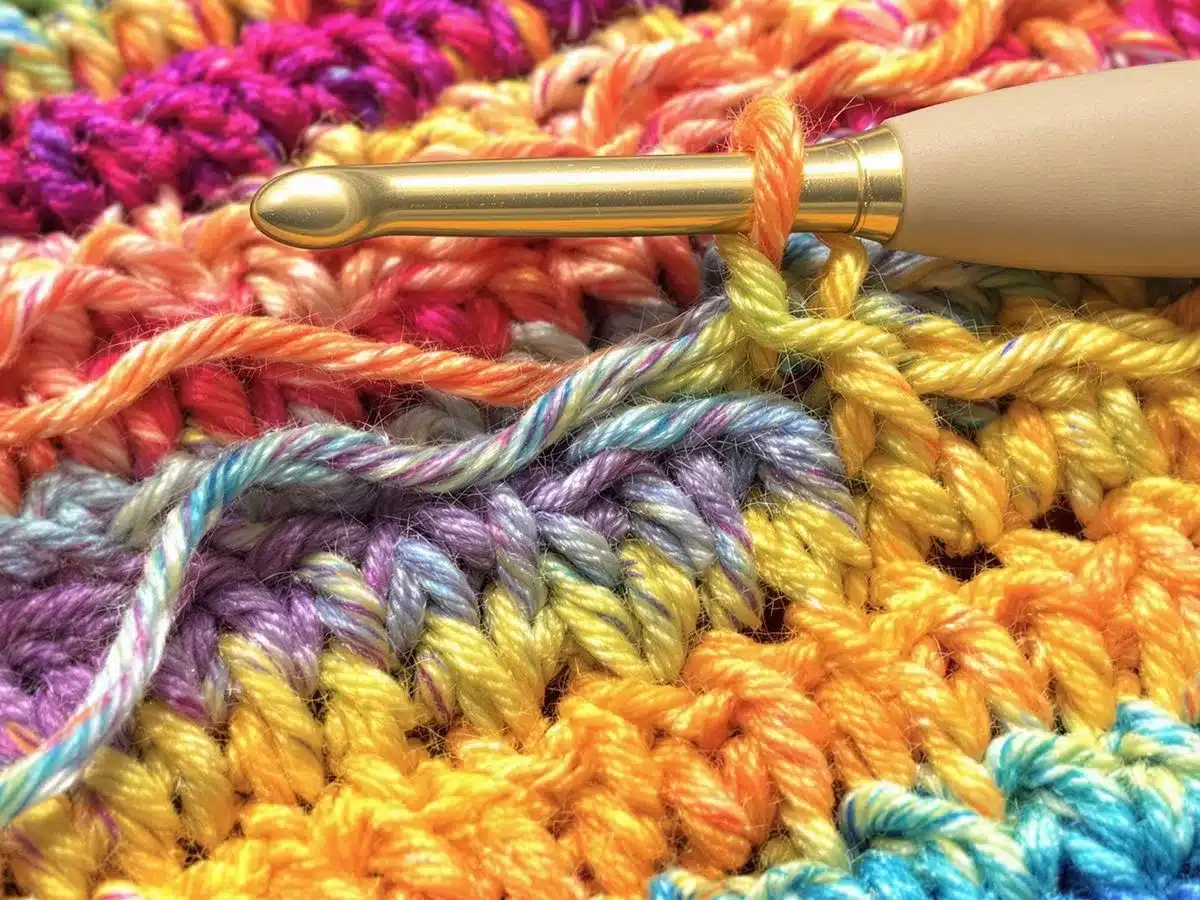
The double treble crochet stitch is a fantastic way to add height and drama to your projects. To create this stitch, you’ll start by yarning over twice before inserting your hook into the designated stitch. After pulling up a loop, you’ll yarn over and pull through two loops at a time until only one loop remains on your hook. This stitch creates a more open and airy fabric, making it ideal for projects like lacy shawls or decorative trims. Pro tip: Keep your tension even to avoid overly loose loops.
Crossed Treble Crochet for Texture
If you’re looking to add texture and visual interest, the crossed treble crochet stitch is your go-to. This technique involves skipping one or more stitches and then working treble crochets in a crisscross pattern. The result? A beautifully textured fabric perfect for blankets, scarves, or even statement pieces in garments. To achieve this, you’ll need to plan your stitches carefully and ensure you’re consistent with the crossing pattern. Practice on small swatches first to get the hang of it!
Triple Treble Crochet for Dramatic Flair
For those who love height and bold stitches, the triple treble crochet is a must-try. Start by yarning over three times before inserting your hook. This stitch is tall and makes a striking statement in any project, especially intricate designs like doilies or ornamental borders. However, because of its height, it’s crucial to maintain steady tension to prevent the stitch from looking uneven. Remember: This stitch works best in projects where you want to emphasize height and elegance.
Advanced treble crochet stitches like these can transform your projects from simple to stunning. Take your time, practice often, and don’t hesitate to experiment with different yarns and patterns to see what works best for you.
Common Mistakes and How to Fix Them
Troubleshooting Uneven Stitches
Uneven stitches can ruin the look of your project. To fix this, focus on maintaining consistent tension. Here’s how to tackle it:
- Check your tension by observing how tightly or loosely you hold the yarn.
- Use the same number of yarnovers for each treble crochet stitch.
- If your stitches still look off, consider switching to a different hook size.
Avoiding Loose or Tight Tension
Tension issues are super common in taller stitches like treble crochet. Here’s how to avoid them:
- Wrap the yarn around your pinky or another finger to control its flow.
- Experiment with different hook sizes—smaller hooks for tighter stitches and larger hooks for looser ones.
- Practice regularly to develop muscle memory and improve consistency.
Correcting Turning Chain Issues
Turning chains can be tricky, especially for beginners. If your edges look uneven, the turning chain might be the culprit. Here’s what to do:
- Always ensure your turning chain is the right length for the stitch height.
- Remember, the turning chain often counts as a stitch—don’t skip it in your row count.
- Insert your hook under both loops of the turning chain for better stability.
Mistakes are part of the learning curve. Don’t get discouraged—every misstep is a step closer to mastering treble crochet! For more advanced techniques, you might also want to master crocheting a circle for projects requiring precise shapes.
Incorporating Treble Crochet into Projects
Creating Lacy Shawls and Scarves
Treble crochet is perfect for making lightweight, airy shawls and scarves. The height of the stitch creates open spaces, which are ideal for lacework. Start by choosing a soft, lightweight yarn like cotton or bamboo. Use a larger hook size to enhance the drape of your project. For a simple lacy scarf, alternate rows of treble crochet with chain stitches. This combination gives an elegant, delicate look that’s both functional and stylish.
Designing Textured Blankets
Blankets made with treble crochet stitches can be cozy yet visually interesting. A great way to add texture is by combining treble crochet with other stitches like single or double crochet. For example, you could alternate rows of treble crochet with rows of double crochet to create a striped texture. Consider using bulky yarn for a warm, plush blanket or thinner yarn for a lighter throw.
- Tips for textured blankets:
- Use contrasting colors for added visual appeal.
- Experiment with gradient yarns for a seamless color transition.
- Block your finished piece to ensure it lays flat.
Adding Decorative Edges to Garments
Treble crochet can also be used to add a touch of elegance to garments. Whether you’re working on a sweater, a skirt, or even a plain t-shirt, a border of treble crochet stitches can elevate the design. To create a decorative edge, work treble crochet stitches into the hemline, adding picots or shell patterns for extra flair. This technique is especially effective for evening wear or accessories like wraps and capes.
Treble crochet is versatile enough to adapt to almost any project. Its height and open structure make it a favorite for adding both beauty and function to your creations.
Tips for Perfecting Your Treble Crochet Skills
Maintaining Consistent Tension
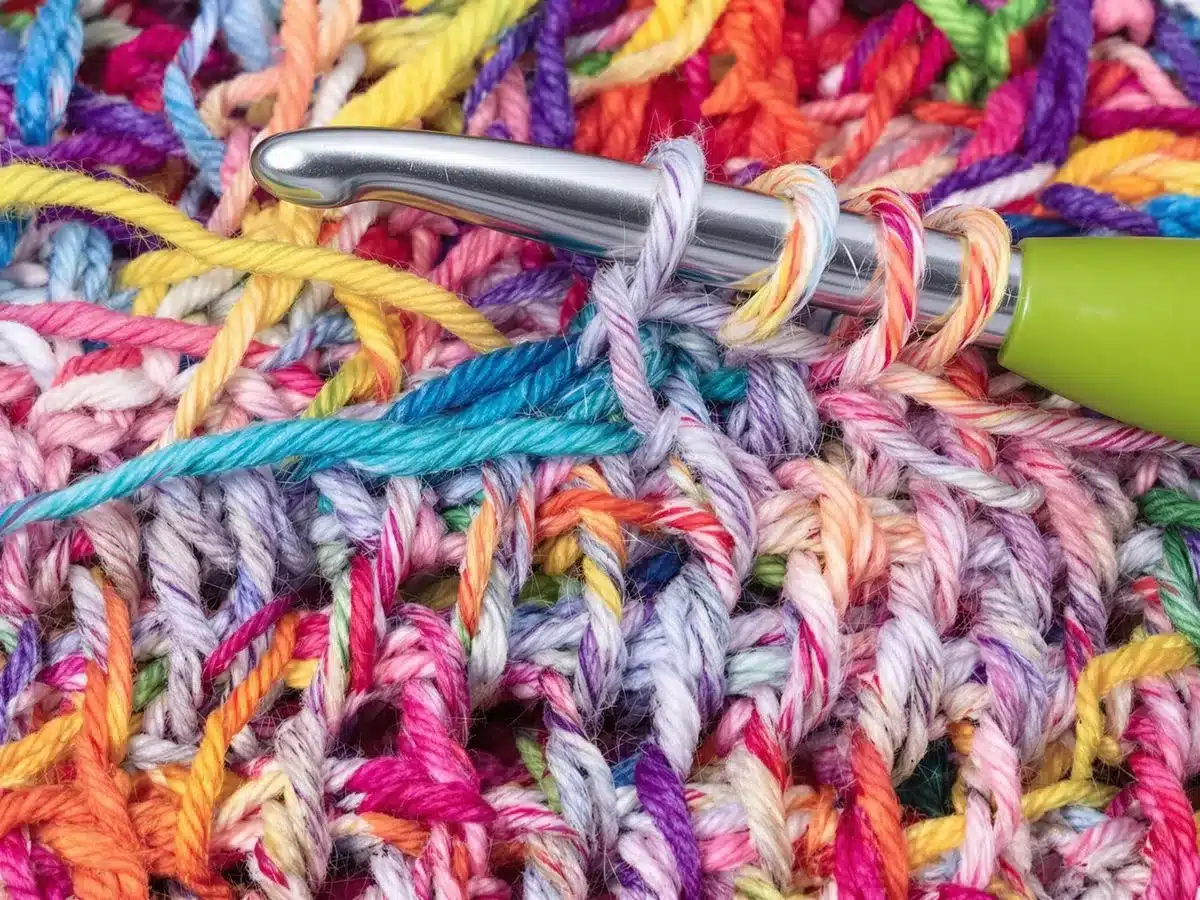
Getting your tension just right is a game-changer in crochet. Consistent tension makes your stitches look neat and professional. To achieve this, try wrapping the yarn around your pinky or ring finger to control its flow. It might feel awkward at first, but with practice, it becomes second nature. If your stitches are too tight, loosen your grip slightly. Too loose? Try holding the yarn a bit firmer. You’ll find your sweet spot with time.
Choosing the Right Yarn and Hook
The type of yarn and hook you use can make or break your project. For beginners, using super bulky or chunky yarn is a smart choice—it’s easier to handle and helps you see your stitches clearly. Pair it with an appropriately sized hook, usually listed on the yarn label. For treble crochet, a slightly larger hook can give your stitches a beautiful drape, especially for items like shawls or scarves.
Practicing with Simple Patterns
Practice doesn’t just make perfect—it builds confidence. Start with straightforward patterns like a basic scarf or dishcloth. These projects let you focus on mastering the treble crochet without worrying about complex designs. As you get comfortable, you can branch out into more intricate projects like lacy shawls or textured blankets. Remember, every stitch you make is a step forward.
Exploring Creative Variations of Treble Crochet
Combining Treble Crochet with Other Stitches
Blending treble crochet with other stitches can create unique textures and patterns. For instance:
- Treble Crochet and Single Crochet: This combination adds contrast, with the height of treble stitches playing against the compact look of single crochet.
- Treble Crochet and Shell Stitches: Use treble stitches to form the “shell” part, creating a lacy, decorative effect.
- Treble Crochet and Puff Stitches: Add dimension and softness by alternating treble and puff stitches in a row.
Experimenting with these pairings can lead to stunning results, especially in blankets or scarves.
Using Treble Crochet in Colorwork
Treble crochet is perfect for colorwork because its tall stitches showcase color changes beautifully. Here’s how you can make the most of it:
- Stripes: Alternate colors every few rows for bold, clean stripes.
- Tapestry Crochet: Carry multiple colors along the row and switch between them to create intricate designs.
- Gradient Effects: Use yarn with gradual color changes to let the treble stitches highlight the gradient.
Tip: When working with multiple colors, keep your tension consistent to avoid puckering.
Experimenting with Openwork Designs
Treble crochet’s height makes it ideal for openwork. These designs are light and airy, fantastic for summer projects. Some ideas include:
- Mesh Patterns: Alternate treble stitches with chain spaces to create a net-like fabric.
- Lattice Motifs: Work treble clusters and skip stitches to form a lattice structure.
- Chevron Openwork: Combine treble stitches with strategic decreases and increases to create a zigzag pattern.
Openwork designs not only look elegant but also work up quickly, making them a favorite for last-minute gifts.
By pushing the boundaries of traditional treble crochet, you can craft pieces that are as functional as they are artistic.
Reading and Understanding Treble Crochet Patterns
Decoding Pattern Abbreviations
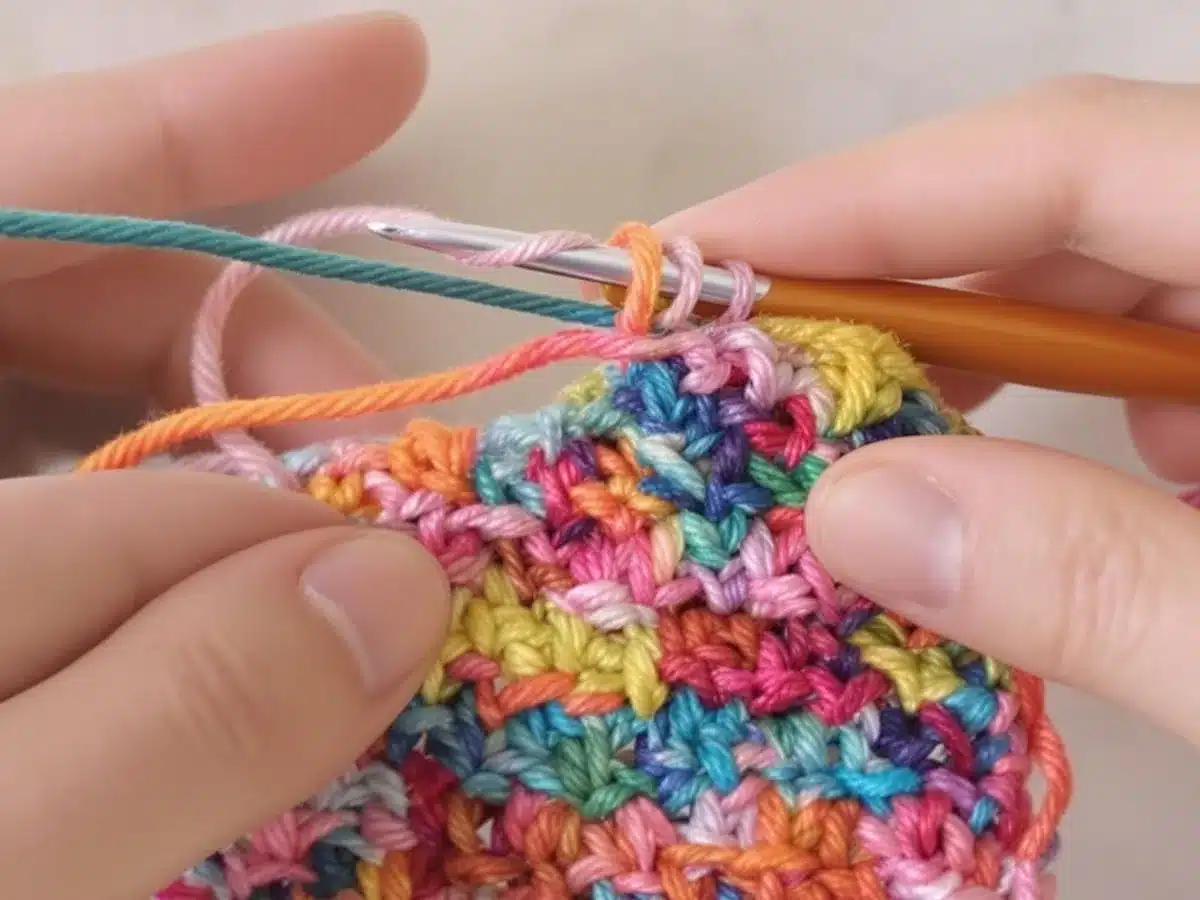
When you dive into a crochet pattern, you’ll notice that the instructions are often written in shorthand. For treble crochet, the abbreviation “tr” is commonly used in U.S. terminology. If you’re working with U.K. patterns, “tr” might actually mean a double crochet stitch, so always check the pattern’s notes for the terminology it follows. Here’s a quick list of abbreviations you might encounter:
| Abbreviation | Meaning |
|---|---|
| ch | Chain |
| tr | Treble Crochet (U.S.) |
| dtr | Double Treble (U.K.) |
| st | Stitch |
| sk | Skip |
| rep | Repeat |
Being familiar with these terms will make following patterns much smoother.
Following Row and Stitch Counts
Crochet patterns often specify how many stitches should be in each row, which is critical for keeping your project on track. If you ever find your stitch count off, pause and recount your stitches. Sometimes it’s as simple as missing a stitch or accidentally adding one in the wrong place. Stitch markers can be lifesavers here, especially for beginners.
Adapting Patterns for Custom Projects
Not every pattern will fit your vision perfectly, and that’s okay. You can tweak patterns to suit your needs. Want a wider scarf? Add more chains to your foundation row. Looking for a longer blanket? Repeat the rows until it reaches your desired length. Just remember that changes to the pattern might affect your yarn usage, so plan accordingly. If you’re unsure, practice on a small swatch first to see how adjustments will impact the final piece.
Patterns are like roadmaps—they guide you, but you can always take a detour to make something uniquely yours.
By understanding the language of crochet patterns, you’ll unlock the ability to create stunning projects with treble crochet and beyond.
Wrapping It Up: Your Treble Crochet Journey
So, there you have it—everything you need to get started with treble crochet. It might feel a bit tricky at first, but don’t sweat it. With a little patience and practice, you’ll be whipping up tall, airy stitches like a pro. Whether you’re making a cozy blanket or a delicate shawl, this stitch opens up so many creative possibilities. Just remember, every expert was once a beginner. So grab your hook, pick your favorite yarn, and keep at it. You’ve got this!
Frequently Asked Questions
What is treble crochet, and how is it different from other stitches?
Treble crochet is a tall stitch that creates an open, airy fabric. It’s taller than single or double crochet, making it great for lacy and lightweight designs.
What tools do I need to start treble crocheting?
You’ll need a crochet hook (size H/8 or 5mm is good for beginners), yarn (medium weight is ideal for practice), scissors, and a tapestry needle for weaving in ends.
Why are my treble crochet stitches uneven?
Uneven stitches usually happen because of inconsistent tension. Practice keeping your yarn tension steady, and try wrapping the yarn around your fingers for better control.
How do I fix loose or tight treble crochet stitches?
For loose stitches, pull the yarn tighter when working. For tight stitches, relax your hands and try using a larger crochet hook.
What is the purpose of the turning chain in treble crochet?
The turning chain gives height to the new row and acts as the first treble crochet stitch. Make sure to count it as a stitch when following a pattern.
Can I combine treble crochet with other stitches?
Yes, treble crochet can be combined with other stitches like single or double crochet to create unique textures and patterns.